
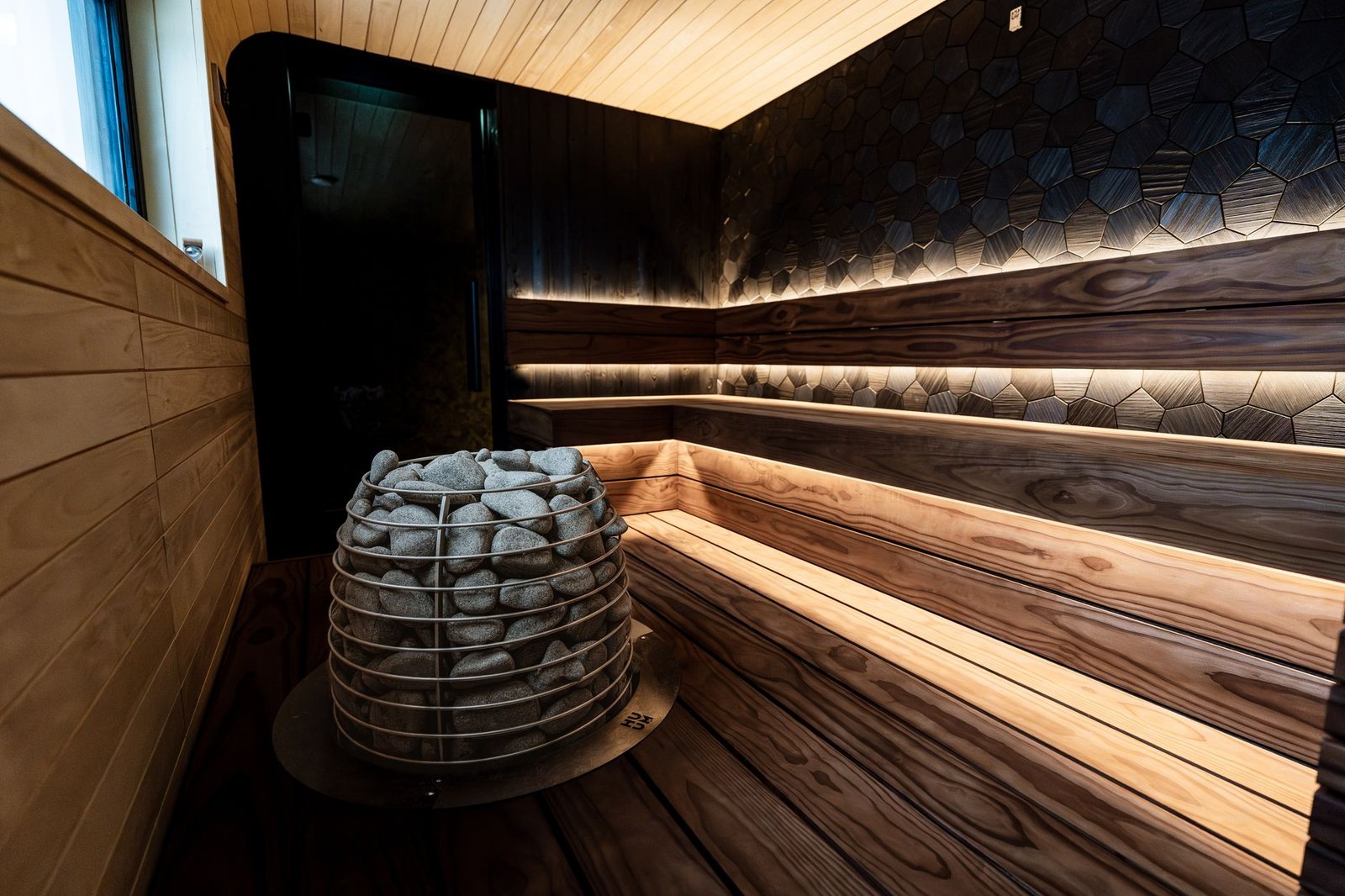
Understanding the financial commitment required for a home sauna installation in 2026 is crucial for residents considering this luxurious home wellness addition. Generally, the cost for installing a home sauna can range significantly, typically from $3,000 for a basic prefabricated infrared unit to over $25,000 for a high-end, custom-built traditional steam or outdoor sauna, not including extensive site preparation or complex electrical upgrades. This comprehensive breakdown explores the various factors influencing these costs, including materials, labor, and the specific type of sauna chosen.
Understanding Home Sauna Types and Their Costs
The type of sauna selected is the primary driver of overall installation expenses. Each category presents unique material, heating technology, and labor requirements that shape the final price tag in 2026.
Traditional Finnish Saunas
Traditional Finnish saunas, known for their high heat and steam capabilities, typically involve a significant investment. Costs for these units in 2026 are influenced by the choice between electric and wood-burning heaters. Modern electric heaters often feature advanced digital controls and energy-efficient elements, increasing their initial price. Wood-burning stoves, while offering an authentic experience, require more complex ventilation and fire safety considerations. Material choices, such as sustainably sourced Western Red Cedar or clear-grade Nordic Spruce, impact pricing, with premium wood species reflecting higher costs. Installation often requires a dedicated space, comprehensive insulation, and robust vapor barriers using advanced synthetic membranes for longevity.
Infrared Saunas
Infrared saunas, which heat the body directly rather than the air, tend to be more energy-efficient and often have lower installation costs, especially for prefabricated models. In 2026, advancements in infrared technology offer full-spectrum, near, and far-infrared emitters, each with varying efficiency and cost. Carbon fiber emitters are a popular, cost-effective choice, while ceramic emitters may offer more intense heat. Prefabricated infrared saunas can be relatively straightforward for the homeowner to assemble, reducing labor costs. Custom-built infrared rooms, however, will incur similar carpentry and electrical expenses as traditional saunas, depending on integrated features like chromotherapy lighting or smart connectivity.
Steam Showers/Combi-Units
Integrating a steam function into a shower enclosure, or opting for a combined sauna/steam unit, represents a more complex and thus more expensive installation. These systems require extensive plumbing work for steam generators and drainage, alongside electrical upgrades for heating elements and control panels. Material choices must be water-resistant, often involving tile, stone, or specialized waterproof panels. The appeal of these units lies in their dual functionality and space-saving design, making them a premium choice for residents seeking diverse wellness options within a single footprint. Smart controls allowing pre-heating via mobile applications are standard in 2026 for these advanced units.
Outdoor Saunas
Outdoor saunas provide a unique aesthetic and experience but come with additional challenges and costs. The necessity for a stable foundation (concrete pad or reinforced deck), robust weatherproofing against 2026’s variable climate patterns, and extended electrical conduit runs significantly increase project complexity. Insulation must be superior to combat external temperatures, and roofing materials need to withstand the elements. While offering a distinct ambiance and potentially more space, the site preparation, external utility connections, and structural requirements typically push outdoor sauna installations towards the higher end of the cost spectrum.
Key Cost Factors for Home Sauna Projects in 2026
Beyond the sauna type, several other variables contribute significantly to the total investment for a home sauna in 2026.
Material Costs
- Wood Type and Grade: Premium woods like knot-free Western Red Cedar or clear Hemlock are highly desired for their aromatic qualities and durability, costing more than Spruce or Aspen. Sustainable sourcing certifications are increasingly common and may influence price.
- Heaters: The choice between traditional electric heaters (with advanced controls, Wi-Fi integration) and infrared emitters (full-spectrum, carbon, ceramic) dictates a significant portion of the material budget. Wood-burning stoves have their own unique cost structure for the unit and necessary chimney/ventilation components.
- Insulation and Vapor Barriers: High-performance insulation (e.g., mineral wool, rigid foam boards) and advanced vapor barrier systems are critical for energy efficiency and longevity, especially with 2026’s focus on sustainable building practices.
- Doors, Benches, and Accessories: Tempered glass doors, ergonomic multi-level benches, digital control panels, chromotherapy lighting, integrated sound systems, and smart home connectivity features all add to the material costs.
Labor Costs
Professional installation is highly recommended for optimal safety and performance. Labor costs vary considerably based on geographic location, the complexity of the installation, and the expertise of the contractor. Carpenters, electricians, and sometimes plumbers will be involved. The average hourly rates for skilled trades in 2026 reflect a growing demand for specialized wellness installation services. Permits and inspections are also critical, ensuring the installation adheres to local building codes and safety standards, adding to the labor-related expenses.
Site Preparation & Customization
Existing electrical systems may require upgrades to support a sauna’s power demands, particularly for larger units or those with high-wattage heaters. Adequate ventilation is paramount for air quality and wood preservation. Custom-designed layouts, bespoke benching, specific lighting schemes, or integration with existing architectural elements will necessitate more intricate planning and execution, increasing overall costs. Foundation work for outdoor units or specialized flooring within indoor saunas (e.g., concrete, tile with drainage) further adds to the preparatory expenses.
Budgeting and Return on Investment in 2026
A typical cost breakdown for a home sauna in 2026 might be: Prefabricated Infrared Saunas: $3,000 – $7,000; Basic Traditional Electric Saunas: $5,000 – $12,000; Custom-Built Traditional or Steam/Combi-Units: $10,000 – $25,000+; Outdoor Saunas: $8,000 – $30,000+. These figures typically include materials and standard installation. Long-term, considering energy efficiency is vital. Modern saunas in 2026 are designed for lower power consumption, which can offset initial costs over time. Furthermore, a well-installed and aesthetically integrated home sauna can significantly enhance property value and appeal, serving as a substantial return on investment for the resident seeking improved domestic comfort and wellness.
In conclusion, determining the cost of a home sauna installation in 2026 involves evaluating several key factors, from the sauna type and material choices to labor and site preparation. While the initial investment can vary widely, a meticulously planned and professionally executed installation ensures a durable, efficient, and deeply satisfying addition to any residence. Residents are advised to consult with experienced home wellness professionals to receive accurate quotes tailored to specific needs and preferences, guaranteeing a seamless integration of this valuable comfort amenity.