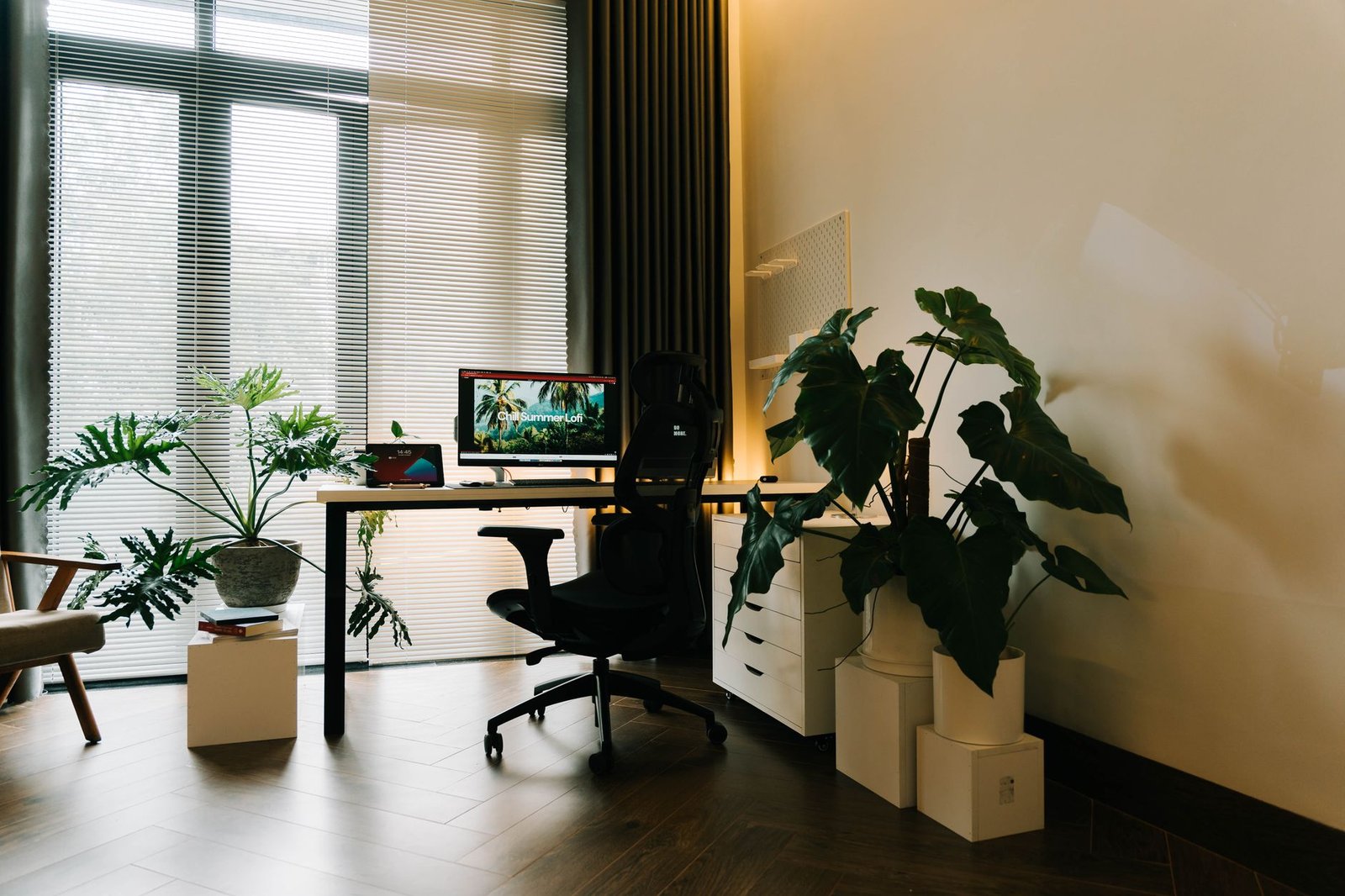
In 2026, the choice between smart window films and smart blinds for superior privacy control hinges significantly on specific resident priorities and architectural considerations. While smart films offer an unparalleled minimalist aesthetic and immediate opacity through advanced electrochromic and Polymer-Dispersed Liquid Crystal (PDLC) technologies, smart blinds provide robust mechanical versatility and a wider range of integrated aesthetic options for dynamic light and privacy management. The superior option ultimately depends on the desired balance of functionality, design integration, and installation complexity.
Smart Window Films: An Evolving Privacy Solution
Smart window films have cemented their position as a sophisticated solution for privacy and solar control, especially within contemporary design aesthetics. These films, often referred to as switchable or dynamic glass, transform from transparent to opaque with an electrical current, offering instant privacy at the touch of a button or through automated schedules.
Technological Advancements in 2026
The year 2026 sees significant strides in smart film technology. Fourth-generation PDLC films boast faster switching speeds, often under a second, and improved clarity in their transparent state. Electrochromic films have also advanced, offering not just instant privacy but also dynamic tinting that can autonomously adjust to solar intensity, significantly reducing glare and heat gain. New material compositions have enhanced durability, making films more resistant to scratches and UV degradation over time. Furthermore, emerging self-healing polymer layers are extending the lifespan and aesthetic integrity of these installations. Integration with leading smart home ecosystems like Matter and Thread is seamless, allowing for unified control alongside lighting, climate, and security systems. Some advanced films now incorporate subtle photovoltaic elements, contributing to their own power supply, especially in larger installations.
Privacy Capabilities and Benefits
- Instant Opacity: Residents gain immediate and complete visual privacy on demand, making them ideal for bathrooms, bedrooms, and street-facing windows.
- Sleek Aesthetic: When transparent, the film is virtually invisible, maintaining an unobstructed view and a minimalist interior design. This is particularly appealing to residents prioritizing expansive views.
- UV Protection: Most smart films block a significant percentage of harmful UV rays, protecting interiors from fading and contributing to energy efficiency by reducing solar heat gain.
- Energy Efficiency: Electrochromic films, in particular, actively manage solar radiation, reducing the need for air conditioning in summer and potentially passive heating in winter by optimizing solar transmittance.
- Low Maintenance: Once installed, smart films require minimal cleaning beyond standard window care. There are no moving parts to accumulate dust or require mechanical upkeep.
Drawbacks and Considerations
- Professional Installation: Smart film installation often requires professional expertise to ensure a bubble-free application and correct electrical wiring, which adds to the initial cost.
- Cost Implications: While prices have become more competitive, smart films can still represent a significant investment, particularly for large window expanses or specialized electrochromic varieties.
- Repair Challenges: Should a film be damaged, repair can be complex and may require full panel replacement, which can be disruptive.
- Limited Aesthetic Variety: Unlike blinds, films offer less in terms of aesthetic customization regarding patterns, textures, or color. Their primary function is transparency to opacity.
Smart Blinds: The Dynamic Approach to Privacy
Smart blinds, or motorized shades, offer a robust and versatile solution for privacy, light control, and aesthetic integration. They leverage mechanical systems to adjust the position of fabric or slat materials, providing granular control over visual access and ambient light.
Innovation in Motorization and Materials by 2026
The smart blind sector in 2026 benefits from several key innovations. Battery technology has advanced, offering significantly longer life for wireless blinds, often enhanced with integrated solar charging panels for sustained operation. Motor designs are quieter and more compact, allowing for sleeker headrails. Material science has introduced sustainable fabric options made from recycled polymers and natural fibers, alongside enhanced thermal and acoustic insulation properties. Sensor integration is increasingly common, allowing blinds to automatically adjust based on ambient light, temperature, or even motion detection for occupancy-based privacy. Advanced tensioning systems provide enhanced durability and smoother operation for large, heavy blinds.
Privacy Features and Advantages
- Versatile Light Control: Smart blinds offer unparalleled flexibility, from complete blackout with specialized materials to partial light filtering or slat adjustment for venetian styles, allowing residents to precisely manage privacy and daylight.
- Aesthetic Integration: An extensive range of fabrics, textures, colors, and styles allows smart blinds to complement virtually any interior design scheme, acting as a decorative element as well as a functional one.
- Home Automation Compatibility: Seamless integration with smart home hubs provides centralized control, scheduling, and scene creation, linking privacy settings with other home functions.
- Sound Dampening: Fabric blinds, especially thicker, layered options, can contribute to acoustic comfort by absorbing sound, a benefit not typically offered by films.
- Enhanced Security: Programmed operation can simulate occupancy when a residence is vacant, deterring potential intruders.
Limitations and Challenges
- Mechanical Components: As mechanical systems, smart blinds are subject to potential motor wear, battery degradation (for wireless models), or fabric damage, requiring periodic maintenance.
- Bulk and Visual Impact: Even when fully retracted, the headrail and fabric stack can be visible, subtly impacting the window’s clean lines.
- Cleaning and Dust: Fabric blinds can accumulate dust and require more regular cleaning than films, and specific cleaning methods may be needed for delicate materials.
- Installation Complexity: Larger or custom blinds may necessitate professional installation to ensure proper fit and function, though DIY options are plentiful for standard sizes.
- Cost Variability: Prices range widely based on size, material, motor type, and smart features, potentially leading to higher costs for premium options.
Comparative Analysis: Which Reigns Supreme for 2026 Privacy?
Evaluating smart films and smart blinds for privacy in 2026 requires a nuanced understanding of their core strengths.
Aesthetics and Integration
For a truly minimalist aesthetic, smart window films offer an unmatched ability to maintain an unobstructed view when transparent. They are virtually invisible, making them ideal for expansive glass walls or modern, clean designs. Smart blinds, conversely, provide a broader palette for interior design, offering decorative textiles and textures that enhance the room’s character. For residents who view window treatments as a design element, blinds offer superior aesthetic versatility.
Privacy Effectiveness and Control
Both options excel at providing privacy. Smart films offer instantaneous, uniform opacity across the entire window pane. Smart blinds provide layered control, allowing for partial views, filtered light, or complete blackout depending on the material and adjustment. For residents requiring absolute, immediate visual blockage without any visual impediment when transparent, films hold an edge. However, for nuanced light filtering and varied privacy levels, blinds offer more dynamic adjustment.
Installation and Cost
Generally, smart films often demand professional installation due to the precision required for applying electrical components to glass surfaces. Smart blinds have a wider range, from DIY-friendly battery-powered models to custom, hardwired systems requiring professional setup. In terms of cost, both can be significant investments, with advanced electrochromic films and high-end custom smart blinds often in comparable price ranges.
Durability and Maintenance
Smart films, with fewer moving parts, tend to have lower long-term mechanical maintenance. Their durability has vastly improved by 2026, though damage can be more complex to repair. Smart blinds, as mechanical systems, have components that can eventually wear. However, modern motors are highly reliable, and fabrics are increasingly engineered for durability and easy cleaning. The choice here depends on the resident’s preference for either a static, low-physical-maintenance solution or a dynamic, potentially higher-wear solution.
Energy Efficiency
Both technologies contribute to energy efficiency. Smart films, especially electrochromic types, actively manage solar heat gain and loss, potentially offering superior passive climate control directly at the glass surface. Smart blinds, particularly those with insulating fabrics, provide an additional thermal barrier, reducing heat transfer through the window. The efficacy depends heavily on the specific product’s R-value or solar control properties.
Conclusion: Tailoring the Solution to Resident Needs
In 2026, neither smart window films nor smart blinds definitively outperforms the other across all metrics for privacy. The optimal choice is highly individualistic. For residents prioritizing an unblemished view, minimalist design, and instant, uniform opacity with excellent solar control, smart window films stand out as the superior choice. For those who desire extensive aesthetic integration, granular control over light and view, and an additional layer of thermal and acoustic insulation, smart blinds offer unmatched versatility. Ultimately, a thorough assessment of the specific architectural context, interior design goals, and daily privacy requirements will guide the homeowner toward the solution that best enhances their domestic comfort and smart living experience.