Hard water stains, those unsightly mineral deposits that mar surfaces, are a common challenge for homeowners seeking pristine domestic environments. Fortunately, eliminating these stubborn residues and preventing their recurrence is entirely achievable with straightforward, effective methods and modern solutions tailored for 2026. This article from Basisblog offers a comprehensive guide to identifying, treating, and proactively managing hard water issues, ensuring a more comfortable and visually appealing residence.
Understanding Hard Water and Its Impact
Hard water is characterized by a high concentration of dissolved minerals, primarily calcium and magnesium. While generally safe for consumption, these minerals leave behind noticeable residues when water evaporates, leading to the familiar white, chalky, or sometimes reddish-brown stains. These deposits not only detract from a home’s aesthetic but can also reduce the efficiency of appliances, clog pipes, and affect the longevity of fixtures.
Where Hard Water Stains Commonly Appear
- Bathroom Surfaces: Shower doors, tile grout, faucets, showerheads, and toilet bowls are prime locations.
- Kitchen Areas: Sinks, dishwashers, coffee makers, and glassware frequently show signs of mineral buildup.
- Laundry Facilities: Washing machines can accumulate scale, impacting performance and fabric softness.
- Outdoor Elements: Sprinkler heads, garden fixtures, and car finishes exposed to hard water can also develop stains.
Effective Stain Removal Techniques for 2026
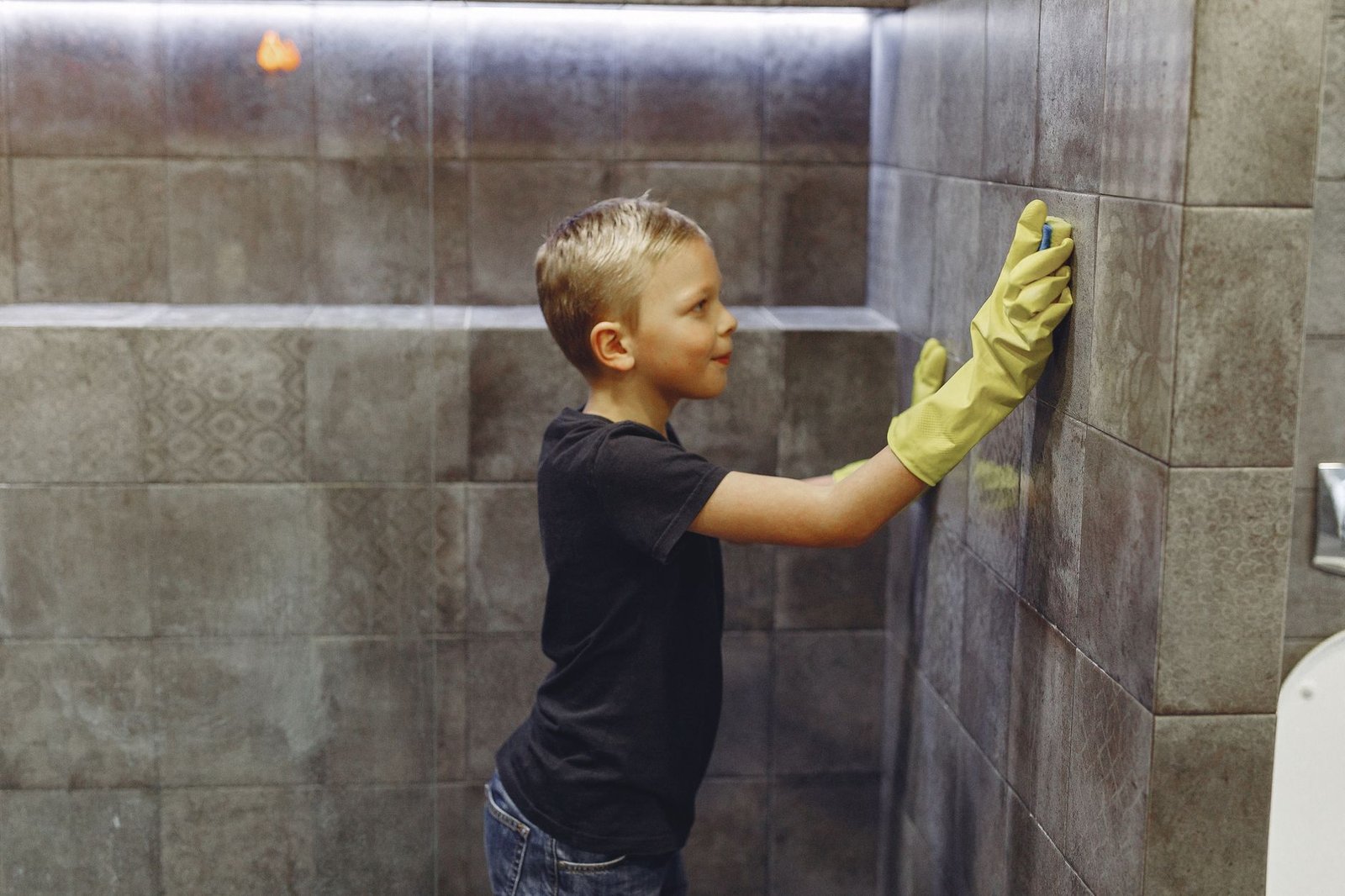
Addressing existing hard water stains requires a strategic approach, leveraging both time-tested remedies and modern cleaning innovations. Safety is paramount; the resident should always wear gloves and ensure proper ventilation when using cleaning agents.
Natural and Eco-Conscious Solutions
For mild to moderate stains, environmentally friendly options remain highly effective and are increasingly preferred by homeowners prioritizing sustainable living.
- Distilled White Vinegar: A household staple, vinegar’s acetic acid dissolves mineral deposits. For shower doors, a spray bottle filled with undiluted vinegar can be applied, allowed to sit for 15-30 minutes, and then wiped clean. For faucets, soaking a cloth in vinegar and wrapping it around the fixture overnight can break down stubborn buildup.
- Lemon Juice: Similar to vinegar, the citric acid in lemon juice is effective for lighter stains and offers a pleasant scent. It is particularly useful on chrome fixtures.
- Baking Soda Paste: Mixing baking soda with a small amount of water or vinegar creates an abrasive paste ideal for scrubbing surfaces like sinks and tubs without scratching.
- Borax: For tougher toilet bowl rings, a cup of borax left overnight before scrubbing can yield impressive results.
Advanced Commercial Cleaners and Materials (2026)
The 2026 market offers an array of specialized hard water stain removers. Look for products that are explicitly labeled as descalers or lime and rust removers. Many formulations now include bio-based ingredients or are designed for specific modern surfaces, ensuring efficacy without damage. For homeowners with smart home systems, voice-activated or scheduled cleaning routines integrating these solutions are becoming more prevalent.
- Gel-Based Formulas: These cling to vertical surfaces, allowing for longer contact time and deeper penetration.
- Foaming Sprays: Excellent for covering large areas like shower walls, making application easier.
- Specialized Polishes: For stainless steel and chrome, specific polishes not only remove stains but also leave a protective, often hydrophobic, layer to deter future buildup.
Preventing Future Hard Water Stains in 2026
Prevention is the most effective long-term strategy for maintaining a stain-free home. Innovations in water treatment and surface technology are making this easier than ever.
Modern Water Softening Systems
Investing in a whole-house water softening system is the ultimate solution for residences with persistently hard water. The market in 2026 provides several advanced options:
- Ion-Exchange (Salt-Based) Softeners: These remain highly effective, replacing calcium and magnesium ions with sodium ions. Modern units are more energy-efficient and often feature smart connectivity for monitoring salt levels and regeneration cycles remotely.
- Salt-Free Conditioners: Utilizing template-assisted crystallization (TAC) technology, these systems don’t remove minerals but rather change their crystalline structure, preventing them from adhering to surfaces. They are an excellent, eco-friendly choice for homeowners concerned about sodium discharge or those on water-restricted diets.
- Magnetic and Electronic Descalers: While their efficacy can be debated for extremely hard water, newer, more powerful models are showing promise for moderate hardness, offering a chemical-free, low-maintenance alternative.
Hydrophobic Coatings and Advanced Surface Treatments
A significant trend in 2026 is the widespread adoption of advanced surface treatments that actively repel water and minerals. These revolutionary coatings create an ultra-smooth, non-stick surface, making it exceedingly difficult for minerals to bond.
- Ceramic and Nanotechnology Coatings: Widely used on glass shower doors, tiles, and even car finishes, these long-lasting sealants create a hydrophobic barrier that causes water to bead up and run off, carrying minerals with it. Professional application offers durability for years.
- Factory-Treated Fixtures: Many new faucets, showerheads, and sinks now come pre-treated with anti-spot finishes, a standard feature for premium home fixtures in 2026.
Routine Maintenance and Smart Habits
Even with advanced systems, consistent daily practices are crucial.
- Wipe Down Surfaces: After each use, wiping down shower walls, faucets, and sinks with a microfiber cloth or squeegee removes water before minerals can deposit.
- Air Dry Dishes: Allowing dishes to air dry in a dishwasher with a rinse aid or hand-drying them immediately prevents spots.
- Integrated Cleaning Tools: Smart home devices now offer automated squeegee systems for shower doors or small robotic cleaners that can periodically spray and wipe surfaces, integrating seamlessly into the home’s comfort ecosystem.
Conclusion: A Proactive Approach to Domestic Comfort
Tackling hard water stains is a critical aspect of maintaining a clean, comfortable, and aesthetically pleasing home environment. By understanding the causes, employing effective removal techniques, and integrating modern preventive measures available in 2026, the homeowner can significantly reduce mineral buildup. From sophisticated water softeners and advanced hydrophobic coatings to smart home cleaning routines and diligent daily habits, a proactive approach ensures surfaces remain sparkling, appliances function optimally, and the residence exudes a lasting sense of wellness and comfort, free from the pervasive presence of hard water residues.