
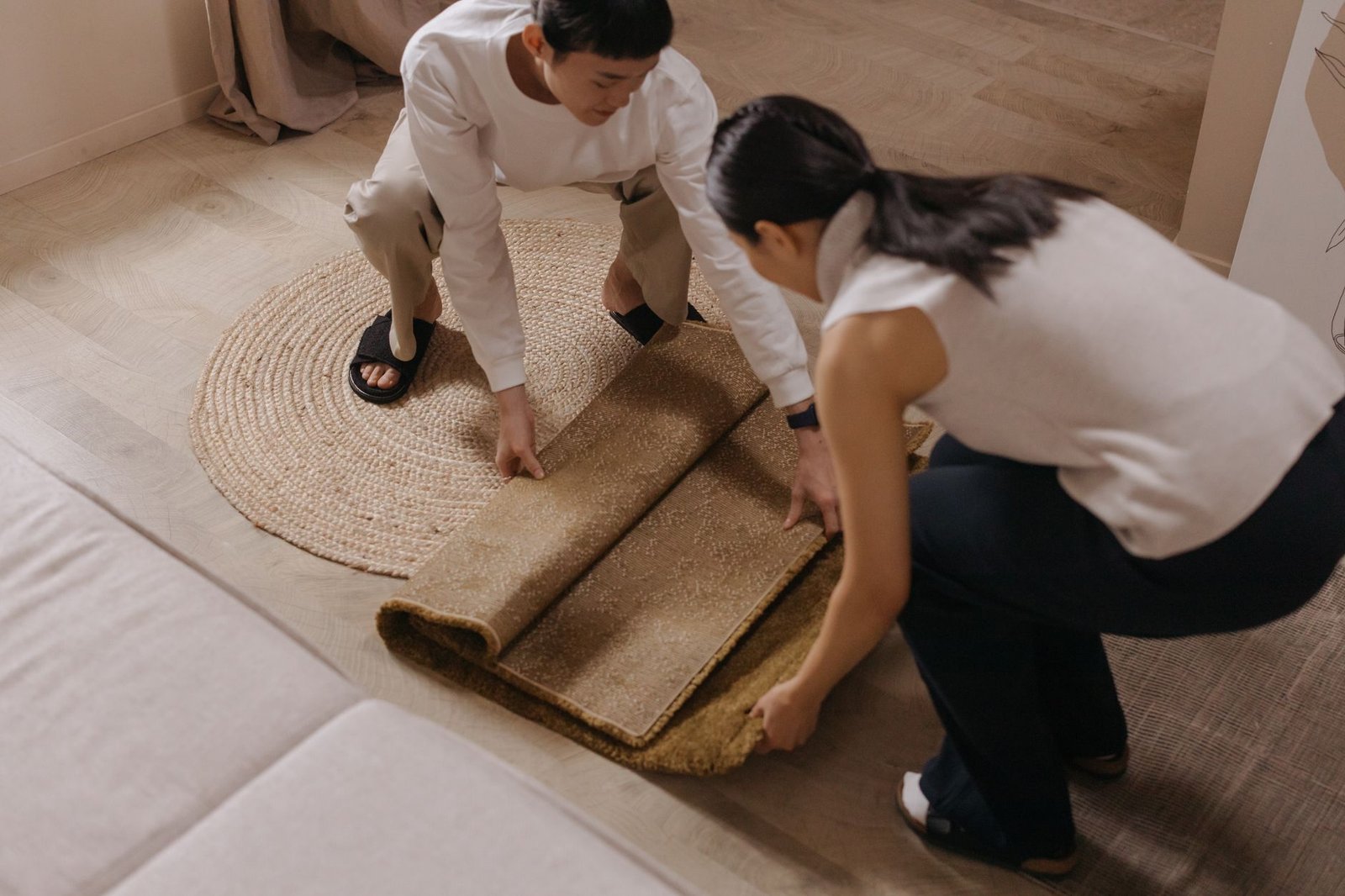
Optimizing small living rooms for both style and functionality remains a paramount concern for homeowners in 2026. When contemplating flooring, the perennial debate between an area rug and wall-to-wall carpet comes to the forefront, particularly for compact spaces where every design choice significantly impacts the perception of size and comfort. For small living rooms in 2026, area rugs generally offer superior visual flexibility and the illusion of expanded space, while modern wall-to-wall solutions present specific advantages in comfort and seamlessness.
The Case for Area Rugs in Small Living Rooms (2026 Perspective)
Area rugs continue to be a dominant trend in interior design, offering unparalleled versatility, especially in smaller residential footprints. Their ability to define zones and introduce specific aesthetic elements makes them highly adaptable.
Maximizing Visual Space and Flexibility
- Defining Zones: In open-concept living rooms or multi-functional small spaces, an area rug effectively delineates a seating area from a dining nook or workspace without the need for physical barriers. This visual segmentation is crucial for giving purpose to different areas within a limited square footage.
- Visual Expansion: Strategic placement and color choice are key. Lighter-toned rugs, particularly those with subtle patterns or solid textures, can reflect light and make a room feel more expansive. A rug that extends under the front legs of major furniture pieces creates a cohesive anchor, suggesting a larger footprint than the room actually possesses.
- Style & Trends: The agility of area rugs allows homeowners to easily update their decor. Current 2026 trends emphasize sustainable materials like recycled PET blends, Tencel, and natural fibers such as sisal and jute, often featuring innovative textures and biophilic patterns. Layering smaller, softer rugs over larger, foundational ones adds depth without overwhelming a compact space.
- Maintenance: Spot cleaning is simpler, and individual rugs can be periodically deep cleaned or rotated. In cases of significant wear or damage, replacing a single rug is far less disruptive and costly than re-carpeting an entire room.
- Underfloor Heating Compatibility: With underfloor heating systems becoming increasingly standard in new builds and renovations, area rugs are ideal as they do not impede heat transfer in the same way some wall-to-wall carpets might.
- Acoustics: While not covering the entire floor, a well-placed area rug can significantly contribute to targeted sound dampening in a specific seating zone.
Potential Considerations for Area Rugs
- Sizing Mistakes: An area rug that is too small can fragment a room, making it feel disjointed and even smaller. Conversely, an oversized rug might overwhelm the space if not chosen carefully.
- Tripping Hazard: Improperly anchored rugs or those with curled edges can pose a tripping risk, a concern mitigated by non-slip pads.
- Cost: High-quality, designer, or custom-sized area rugs can represent a significant investment, especially when sourcing sustainable or performance-grade materials.
The Evolving Role of Wall-to-Wall Carpet in Small Living Rooms (2026 Insights)
While area rugs often steal the spotlight for small spaces, wall-to-wall carpeting has undergone significant innovations, making it a viable, and in some cases, superior option for certain small living room designs in 2026.
Seamless Comfort and Modern Innovations
- Seamless Look: A monochromatic or subtly patterned wall-to-wall carpet can create an uninterrupted visual flow, leading the eye across the entire floor plane. This can trick the brain into perceiving a continuous, and thus larger, space, especially in truly tiny rooms where segmentation might feel claustrophobic.
- Superior Sound Absorption: For urban residences or multi-level homes, wall-to-wall carpet offers unmatched acoustic benefits, absorbing ambient noise and footfall sounds across the entire room.
- Insulation and Comfort: Wall-to-wall carpeting provides excellent thermal insulation, contributing to energy efficiency by retaining warmth in cooler climates. Its soft underfoot feel enhances domestic comfort and provides a safer surface, reducing the impact of falls.
- 2026 Material Advancements: Modern carpets prioritize low-VOC (Volatile Organic Compound) emissions, hypoallergenic properties, and advanced stain resistance. Solution-dyed nylons with molecular treatments, recycled content blends, and carpets featuring subtle biophilic patterns or textures are prevalent. Modular carpet tiles are also gaining traction for their durability and ease of replacement, offering a flexible, contemporary alternative to broadloom.
- Unified Aesthetic: For homeowners desiring a uniformly plush or minimalist aesthetic, wall-to-wall carpet provides a cohesive foundation that can simplify other design choices.
Potential Considerations for Wall-to-Wall Carpeting
- Visual Reduction: Busy patterns, very dark colors, or excessively high piles can visually shrink a small room, making it feel denser and more enclosed.
- Lack of Flexibility: Changing wall-to-wall carpet is a significant undertaking, both in terms of cost and disruption, limiting the ability to frequently update the room’s aesthetic.
- Maintenance: Requires whole-room cleaning, and while modern materials are more stain-resistant, deep cleaning can be more challenging than with a removable area rug. Potential for trapped allergens if not regularly vacuumed with high-quality filters.
- Installation: Typically requires professional installation, adding to the initial cost.
Strategic Selection for Small Spaces: 2026 Recommendations
The ultimate choice hinges on the homeowner’s specific needs, lifestyle, and design aspirations. Understanding how to leverage each option is critical for success in 2026.
Maximizing Impact with Thoughtful Choices
- For Area Rugs:
- Size Matters Most: Ensure the rug is large enough to extend at least under the front legs of all major seating furniture (sofa, armchairs) to create a cohesive grouping. The optimal approach, if space allows, is for all furniture to sit entirely on the rug, or for the rug to leave approximately 12-18 inches of exposed hard flooring around the perimeter.
- Color & Pattern: Opt for lighter, neutral tones (e.g., creams, grays, muted pastels) or subtle geometric/abstract patterns to avoid visual clutter and promote an airy feel. Textural rugs, such as those with bouclé weaves or varied pile heights, add interest without overwhelming.
- Material Focus (2026): Consider washable, durable, and eco-friendly synthetics (like performance polypropylenes, recycled PET) for high-traffic areas, or natural fibers such as jute, sisal, or innovative Tencel blends for a softer, more luxurious feel.
- For Wall-to-Wall Carpeting:
- Color & Texture: Embrace monochromatic schemes with light, cool tones (e.g., pale blues, muted greens, light grays) to visually expand the room. Subtle textures, such as low-pile cut and loop, or very fine Berber patterns, add sophistication without busyness. Avoid shag or very deep piles.
- Material Focus (2026): Prioritize high-performance, low-pile, engineered fibers designed for durability and ease of cleaning, often incorporating built-in antimicrobial properties and advanced stain protection. Consider modular carpet tiles for areas where future replacement of specific worn sections might be beneficial.
- Installation: Insist on seamless installation techniques where possible to maintain the unbroken visual expanse that is beneficial in a small room.
Conclusion
In 2026, both area rugs and wall-to-wall carpeting offer distinct advantages for small living rooms. An area rug often emerges as the more adaptable choice, providing the ability to define zones, introduce style, and visually expand a compact footprint. Wall-to-wall carpeting, however, continues to be an excellent option for those prioritizing seamless comfort, superior acoustics, and a cohesive, understated aesthetic, especially with modern, low-VOC, and durable materials. The ultimate decision for the homeowner should be guided by a careful consideration of their lifestyle, the room’s specific functions, desired aesthetic, and long-term maintenance preferences, ensuring the chosen flooring solution maximizes both comfort and perceived spaciousness in their small living room.