
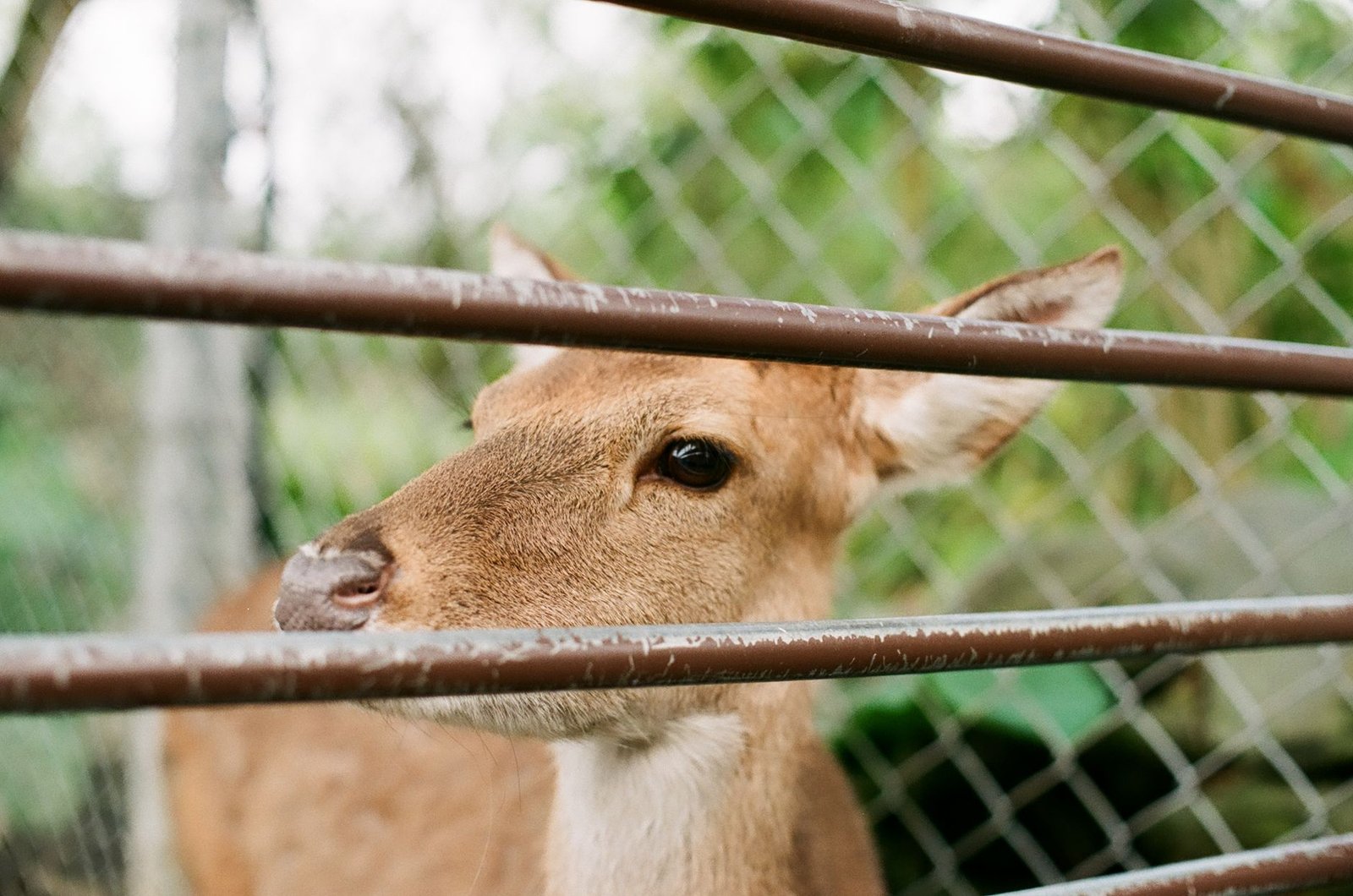
When deer persistently consume prized garden plants, the frustration for the homeowner is considerable. Protecting landscapes from these browsing animals requires strategic intervention, and fortunately, 2026 offers innovative and aesthetically pleasing fencing solutions designed to deter deer effectively. This article details five smart fencing strategies that combine modern materials, advanced technology, and thoughtful design to safeguard horticultural investments.
Understanding Deer Behavior and Modern Fencing Needs
Deer are intelligent and adaptable creatures, capable of jumping considerable heights and exploiting even small weaknesses in barriers. Their nocturnal feeding habits often lead to unexpected garden damage by morning. Traditional fencing, if not designed specifically with deer deterrence in mind, often proves ineffective due to insufficient height, easily navigated gaps, or a lack of psychological deterrents. In 2026, the demand for sustainable, unobtrusive, and technologically integrated solutions is paramount, reflecting a broader trend towards harmonious integration of protective measures within landscape design.
Modern deer fencing considers not only the physical barrier but also the visual and psychological impact on the animals, aiming to create an environment where deer feel uneasy or unable to access desirable plants without excessive effort. This comprehensive approach ensures longevity and effectiveness, moving beyond rudimentary enclosures to sophisticated protective systems.
5 Smart Fencing Solutions for 2026
1. Nearly Invisible Mesh Fencing
Description: High-strength, UV-stabilized polypropylene or advanced nylon mesh has become a cornerstone of unobtrusive deer protection. These fences are typically black, allowing them to blend seamlessly into backgrounds, rendering them virtually invisible from a distance. For 2026, material science has further enhanced their durability, offering increased resistance to extreme weather and prolonged sun exposure, with some bio-degradable options emerging for end-of-life considerations.
Effectiveness: Installed at heights of 7 to 8 feet, the mesh creates a formidable physical barrier without obstructing views. Deer often fail to perceive this subtle barrier, making it an effective psychological deterrent as well. The lack of a visible landing spot beyond the fence also discourages jumping.
Aesthetics: Its primary appeal lies in its minimal visual impact. It allows the natural beauty of the landscape to remain the focal point, a significant advantage for properties where aesthetic integrity is a high priority. Installation methods have also improved, allowing for cleaner, less conspicuous pole systems.
2. Low-Voltage Pulsed Electric Fencing
Description: Modern electric fences deliver a safe, low-voltage pulse, creating a memorable, harmless deterrent rather than a painful shock. Utilizing conductive wires (such as galvanized steel or polywire) with advanced, durable insulators, these systems are increasingly powered by solar chargers, a key sustainability trend for 2026. Smart technology integration allows for remote monitoring of fence integrity and power levels, alerting the resident to any potential breaches.
Effectiveness: This solution serves as a strong psychological barrier. A deer’s initial contact with the fence teaches it to avoid the area. The system’s effectiveness is often enhanced when paired with visual markers or attractants to ensure deer make contact early and learn the lesson. Strategic placement ensures a wide deterrent zone.
Aesthetics: While typically more visible than mesh, electric fencing can be designed with thin, minimalist wires that integrate well into certain landscapes. It can also be discreetly positioned as an outer perimeter defense, augmenting another type of primary fencing.
3. Double-Layered Barrier Fencing
Description: This innovative approach involves installing two parallel fences, typically 3 to 5 feet apart. The outer fence can be decorative, while the inner fence might be a less conspicuous mesh. The gap between the fences creates an optical illusion and a spatial challenge that deer are reluctant to attempt. The design principles leverage deer’s reluctance to jump into a confined space where they cannot accurately gauge a safe landing.
Effectiveness: The double-layer system is exceptionally effective because deer, despite their jumping prowess, are hesitant to leap over a barrier if they cannot clearly see a safe landing zone beyond it. The intermediate space disrupts their depth perception and confidence.
Aesthetics: This solution offers significant aesthetic flexibility. The outer fence can be chosen to complement the property’s architectural style, such as a post-and-rail or decorative woven wire fence. The inner fence can be a simple, nearly invisible mesh, preserving views while maximizing protection.
4. Strategic Horticultural Barriers
Description: While not a traditional fence, this strategy involves creating a perimeter of deer-resistant plantings around the garden area. Certain plants possess characteristics, such as strong scents, bitter tastes, or prickly textures, that deer find unappealing. For 2026, advancements in horticultural science continue to identify and develop new cultivars with enhanced deer-resistant properties, offering a wider palette for landscape architects.
Effectiveness: This acts as a living, layered defense. Thorny shrubs (e.g., barberry, roses), aromatic herbs (e.g., lavender, rosemary), and plants with coarse or fuzzy leaves are often avoided. When combined with a physical fence, these plantings create an additional deterrent, making the protected area less inviting.
Aesthetics: This solution is inherently beautiful, integrating protection directly into the landscape design. It enhances biodiversity and can contribute to a more natural, inviting garden environment. The selection of plants can be tailored to match regional climates and design preferences.
5. High-Profile Woven Wire with Aesthetic Integration
Description: Robust woven wire fencing, typically constructed from galvanized steel or modern lightweight alloys, offers a strong physical barrier. For 2026, these systems are available with various powder-coated finishes that resist corrosion and blend with the environment. Customizable patterns and modular sections allow for tailored designs, and integration with smart gate systems is becoming standard for convenient, secure access.
Effectiveness: An 8-foot-tall woven wire fence provides a substantial physical deterrent. The tight mesh patterns prevent deer from pushing through or becoming entangled. The inherent strength of the material ensures durability against animal impact and environmental stressors.
Aesthetics: Modern woven wire fences can be surprisingly attractive, moving beyond purely utilitarian designs. The powder-coated options offer color choices that harmonize with natural surroundings, such as dark green or black. Climbing vines or espaliered fruit trees can be trained along the fence line to soften its appearance and integrate it more fully into the garden’s aesthetic.
Installation Tips and Aesthetic Integration
Height and Depth Are Key
Regardless of the chosen solution, the minimum effective height for deer fencing is generally considered to be 8 feet. This height challenges a deer’s jumping capabilities and provides a psychological barrier. Additionally, burying the fence base a few inches or installing a sturdy fence skirt helps prevent deer from pushing under the barrier, which is a common point of failure for inadequately installed systems.
Gating and Access Points
Gates must be as tall and secure as the fence itself. Simple latches are often insufficient; robust, self-closing mechanisms are recommended. For 2026, smart gate openers and access control systems offer enhanced convenience and security, allowing residents to manage entry remotely and ensuring gates are always properly secured after use.
Blending with the Landscape
To ensure aesthetic harmony, consider the fence’s color and material. Darker colors tend to recede visually, making the fence less noticeable. Strategic planting of shrubs, ornamental grasses, or climbing vines along the fence line can soften its appearance, allowing it to blend more naturally into the garden. Matching fence materials with existing architectural elements of the home or other landscape features helps create a cohesive and thoughtful design.
Conclusion
Protecting cherished garden plants from deer requires a thoughtful and strategic approach. The solutions available in 2026 offer an impressive balance of effectiveness, durability, and aesthetic integration, moving beyond mere physical barriers to incorporate advanced materials and smart technologies. By understanding deer behavior and carefully considering the options, the homeowner can select a fencing solution that not only safeguards their landscape investments but also enhances the overall beauty and comfort of their outdoor living space.