
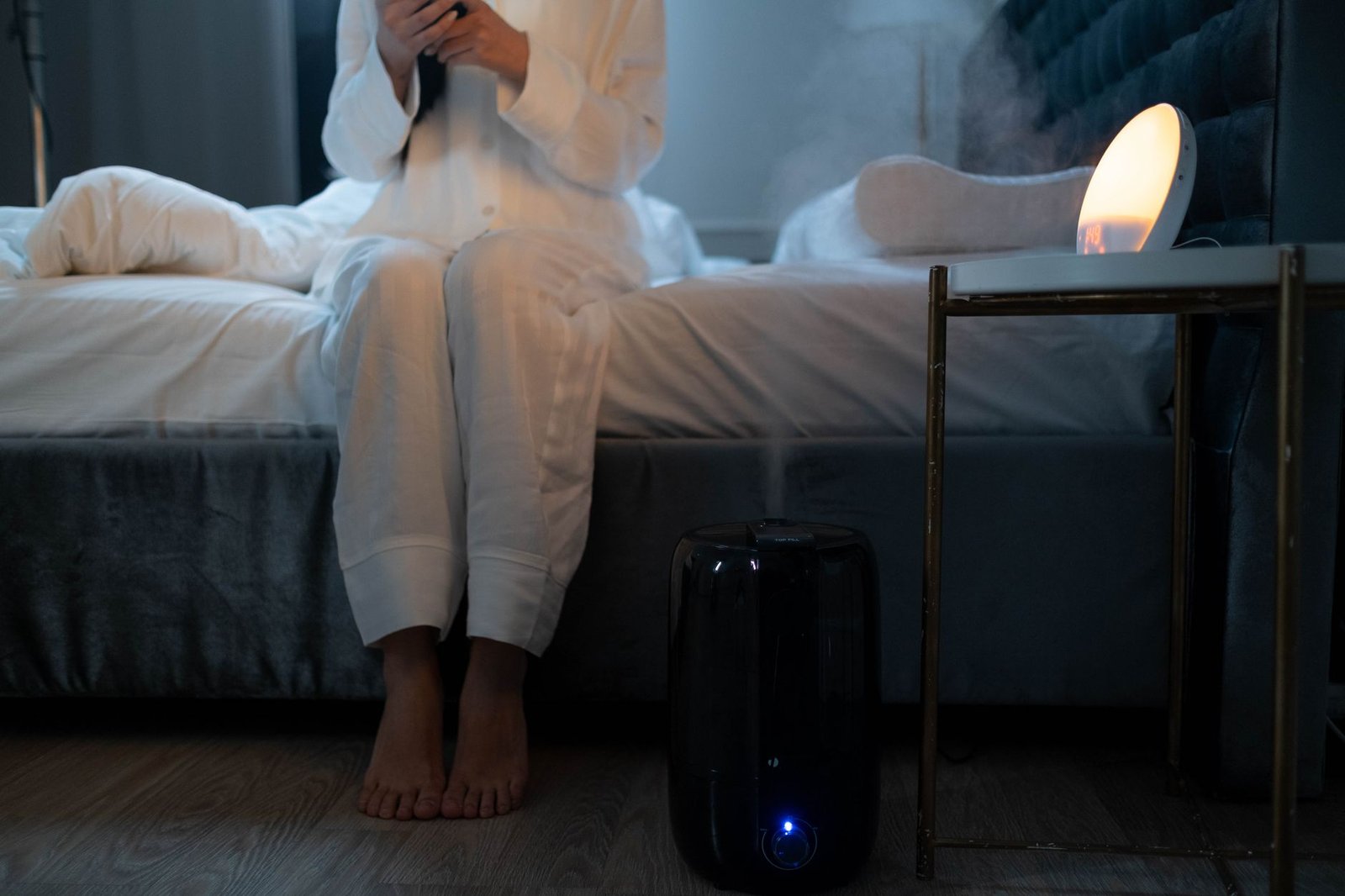
Understanding Indoor Air Quality in 2026
As 2026 unfolds, the focus on indoor air quality (IAQ) within residential and commercial spaces intensifies, driven by advancements in sensor technology and a greater understanding of environmental health. Achieving optimal IAQ involves managing humidity, controlling airborne particulates, and addressing volatile organic compounds (VOCs) and unpleasant odors. When considering devices like essential oil diffusers and humidifiers, the resident’s specific air quality concerns dictate which device offers more significant benefits.
For direct air quality improvement, particularly in mitigating issues related to dry air, humidifiers generally offer a more substantial impact than essential oil diffusers. Diffusers primarily enhance the aromatic environment, contributing to perceived freshness and well-being through scent, but do not significantly alter the air’s physical composition or particulate load. Each device serves distinct, valuable purposes in a comprehensive home wellness strategy.
Essential Oil Diffusers: Aromatic Enhancement and Perceived Air Quality
Functionality and Purpose
Essential oil diffusers work by dispersing tiny particles of essential oils into the air. The most common types, ultrasonic diffusers, use high-frequency vibrations to create a fine mist from water and essential oil. Nebulizing diffusers, a 2026 favorite for potent scent dispersal, use air pressure to atomize pure essential oil without water, creating a more concentrated aroma. Their primary function is aromatherapy, influencing mood, stress levels, and cognitive function through scent.
Impact on Air Quality
The direct impact of essential oil diffusers on air quality, in terms of particulate removal or humidity regulation, is negligible. While some essential oils possess antimicrobial properties, their diffusion in the air typically does not reach concentrations sufficient to purify air of pathogens or significantly reduce allergens. Their contribution to ‘air quality’ is predominantly through masking odors and creating a pleasant olfactory experience, which can contribute to a resident’s overall sense of comfort and well-being. Modern 2026 diffusers often feature advanced timing controls and smart home integration, allowing for precise scent scheduling to optimize these aromatic benefits.
Modern Developments in Diffuser Technology (2026)
- Smart Scent Delivery: AI-driven diffusers can now learn resident preferences and optimize scent release based on time of day or even detected mood patterns via integrated biometrics (with user consent).
- Sustainable Materials: Manufacturers are increasingly using recycled plastics, bamboo, and ceramic in diffuser casings, aligning with growing consumer demand for eco-friendly home products.
- Energy Efficiency: New models boast ultra-low energy consumption, making continuous use more sustainable.
Humidifiers: Regulating Atmospheric Conditions for Health
Functionality and Purpose
Humidifiers add moisture to the air, directly addressing issues of low humidity. Various types exist: cool mist (ultrasonic or evaporative), warm mist (boil water to create steam), and whole-house systems integrated into HVAC. Maintaining indoor humidity between 40-60% is crucial for health and comfort, especially in drier climates or during colder months when heating systems deplete indoor moisture.
Impact on Air Quality
Humidifiers significantly improve air quality by maintaining optimal humidity levels, which has several benefits:
- Respiratory Comfort: Adequate humidity helps keep nasal passages and throats moist, reducing irritation and discomfort associated with dry air. This can alleviate symptoms of colds, flu, and allergies.
- Reduced Virus Survival: Research consistently shows that airborne viruses, including respiratory pathogens, survive for shorter durations in environments with moderate humidity (40-60%) compared to very dry or very wet conditions.
- Static Electricity Reduction: Dry air contributes to static electricity, which can be irritating and damaging to electronics. Proper humidification mitigates this.
- Skin and Wood Preservation: Prevents dry, itchy skin and helps preserve wooden furniture and structures from cracking.
It is important to note that while humidifiers address dryness, they do not filter pollutants or allergens from the air. However, advanced 2026 models often incorporate features like UV-C light sterilization for water, anti-microbial reservoirs, and even integrated air purification modules (HEPA or activated carbon) to offer a dual benefit of humidification and air cleaning.
Modern Developments in Humidifier Technology (2026)
- Integrated Environmental Sensors: High-end humidifiers now precisely monitor humidity, temperature, and even air quality metrics, automatically adjusting output.
- Self-Cleaning and Low Maintenance: Innovations in material science have led to anti-microbial coatings and self-cleaning mechanisms, reducing the burden of mold and mildew build-up in water tanks.
- Smart Home Connectivity: Seamless integration with smart home ecosystems allows for remote control, scheduling, and data analytics on indoor conditions.
- Water Conservation: More efficient evaporative technologies minimize water waste, a key consideration for eco-conscious residents.
Which Improves Air Quality More? A Direct Comparison
When assessing which device improves air quality more, the specific definition of