
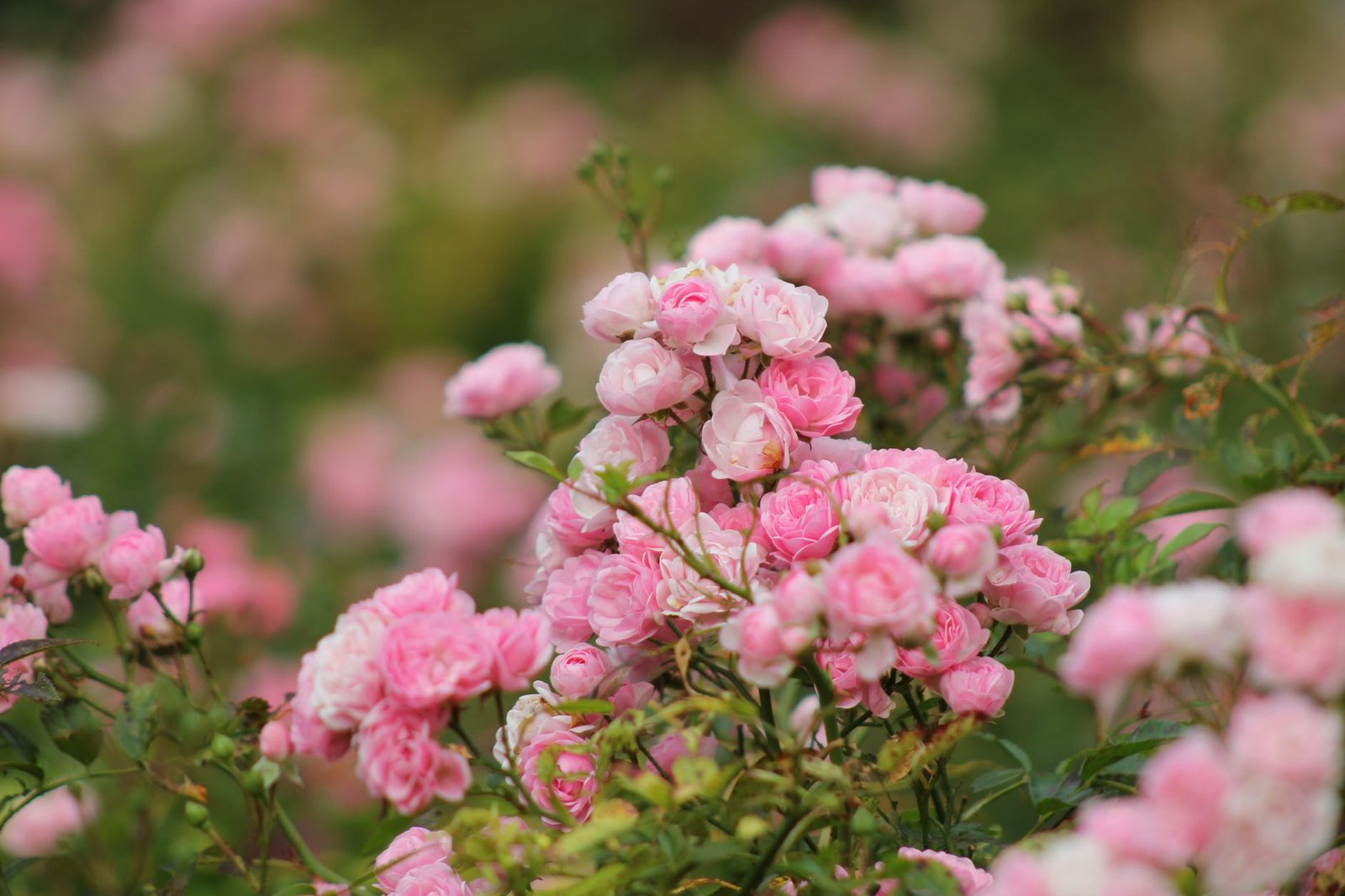
Determining the best fertilizer for rose bushes in 2026 hinges on a multifaceted approach, considering soil type, rose variety, and specific growth objectives. For many rose enthusiasts in 2026, the optimal choice often combines advanced slow-release granular formulations, enriched with beneficial microbes, and supplemented by targeted liquid feeds or organic amendments tailored to soil test results. The most effective strategy prioritizes soil health and precision nutrient delivery, adapting to the latest developments in horticultural science and product availability.
Understanding Rose Nutrition in 2026
For vibrant blooms and robust growth, roses require a consistent supply of essential nutrients. In 2026, understanding these needs goes beyond basic NPK ratios, delving into the intricate world of micronutrients and beneficial soil biology.
The Essential NPK Balance
Nitrogen (N), Phosphorus (P), and Potassium (K) remain the foundational macronutrients. Nitrogen promotes vigorous foliage, phosphorus is critical for root development and flower production, while potassium enhances overall plant health, disease resistance, and stem strength. For roses, a balanced NPK ratio such as 5-10-5, 6-12-6, or 12-12-12 is generally recommended, often with phosphorus slightly higher to encourage blooming. However, soil analysis is paramount to determine any existing deficiencies or excesses.
Micronutrients and Soil Biology
Beyond NPK, roses benefit significantly from micronutrients like iron, manganese, zinc, boron, and magnesium. Deficiencies in these can lead to chlorosis, stunted growth, or poor flowering. Modern fertilizers in 2026 increasingly incorporate chelated forms of these micronutrients, ensuring their availability across a wider pH range. Furthermore, the role of soil biology, including mycorrhizal fungi and beneficial bacteria, is highly emphasized. These microorganisms improve nutrient uptake, enhance water retention, and protect against pathogens, making bio-stimulant-enriched fertilizers a popular choice.
Key Fertilizer Types for 2026
The market in 2026 offers an array of fertilizer options, each with distinct advantages for different rose care strategies.
Granular Slow-Release Fertilizers
These formulations provide a steady supply of nutrients over several weeks or months, reducing the frequency of application. Many 2026 slow-release products feature polymer-coated granules that release nutrients based on soil temperature and moisture, minimizing nutrient runoff and potential for over-fertilization. They are ideal for busy residents seeking consistent feeding with less effort.
Liquid Concentrates and Foliar Feeds
Liquid fertilizers offer rapid nutrient absorption, particularly useful for addressing immediate deficiencies or providing a quick boost before a major bloom cycle. Foliar feeding, where diluted liquid fertilizer is sprayed directly onto the leaves, allows for even faster uptake. These options are favored for precision nutrient delivery, especially when soil conditions might temporarily hinder root uptake.
Organic Amendments and Bio-stimulants
For those prioritizing sustainable practices and long-term soil health, organic options like compost, well-rotted manure, bone meal, blood meal, and alfalfa meal are excellent. In 2026, the integration of bio-stimulants, humic acids, and kelp extracts into organic fertilizers is a significant trend. These not only feed the plant but also enrich the soil microbiome, leading to healthier, more resilient rose bushes over time.
Smart Fertilizers and Precision Delivery
Emerging in 2026 are ‘smart’ fertilizer systems, often linked with AI-driven soil sensors. These systems monitor soil conditions in real-time, delivering precise nutrient dosages directly to the root zone through automated irrigation, optimizing nutrient use and minimizing waste. While still a premium option, their availability is expanding, offering unparalleled efficiency for large estates or technologically inclined homeowners.
Tailoring Fertilizer Choices for Optimal Growth
The ‘best’ fertilizer is ultimately the one that best suits the specific needs of the rose bush and its environment.
Assessing Soil Type and pH
A comprehensive soil test is the first and most crucial step. It reveals the existing nutrient profile, organic matter content, and pH level. Roses prefer slightly acidic to neutral soil (pH 6.0-6.5). If the soil is too alkaline, sulfur can be added to lower the pH; if too acidic, lime can raise it. The soil test also guides the selection of specific nutrient amendments, preventing unnecessary applications.
Rose Variety and Life Stage
Different rose varieties have varying nutrient demands. Hybrid Teas and Grandifloras, known for their abundant blooms, often require more frequent feeding than shrub roses or vigorous climbers. Young, newly planted roses benefit from phosphorus-rich formulations to establish strong root systems, while mature plants require a more balanced feeding regimen to sustain continuous blooming.
Desired Growth Outcomes
The resident’s specific goals influence fertilizer choice. For prolific flowering, higher phosphorus and potassium are beneficial. For lush, green foliage, a slightly higher nitrogen content might be preferred. For stress resistance and overall vigor, a balanced approach with ample micronutrients and bio-stimulants is ideal. Modern formulations increasingly offer targeted blends for these specific outcomes.
Application Best Practices and Future Outlook
Effective fertilization extends beyond product selection to proper application techniques and an eye on future innovations.
Timing and Method of Application
Fertilization typically begins in early spring when new growth emerges, continuing through the growing season until late summer or early fall. Granular fertilizers are usually spread evenly around the drip line and watered in thoroughly. Liquid feeds can be applied every 2-4 weeks. It is critical to avoid fertilizing during periods of extreme heat or drought, and never to apply directly to the base of the stem or leaves in concentrated form, which can cause burn. Over-fertilization can be detrimental, leading to nutrient imbalances and environmental pollution, emphasizing the importance of following product instructions.
Sustainability and Innovation in Rose Care
The trajectory for rose fertilization in 2026 and beyond points towards even greater sustainability and precision. Research into microbial inoculants, biochar amendments, and nanotechnology for nutrient delivery continues to evolve, promising even more efficient and environmentally friendly options. The focus is shifting towards enhancing the soil’s inherent fertility and resilience, reducing the reliance on synthetic inputs. Homeowners and landscape professionals are encouraged to stay abreast of these developments, embracing practices that not only yield beautiful roses but also contribute to healthier ecosystems.
Ultimately, the “best” fertilizer for rose bushes in 2026 is not a singular product but a thoughtful, informed strategy that integrates soil analysis, appropriate product selection, and careful application tailored to the unique conditions of each rose garden. By adopting this holistic approach, residents can cultivate magnificent, healthy roses for years to come.