
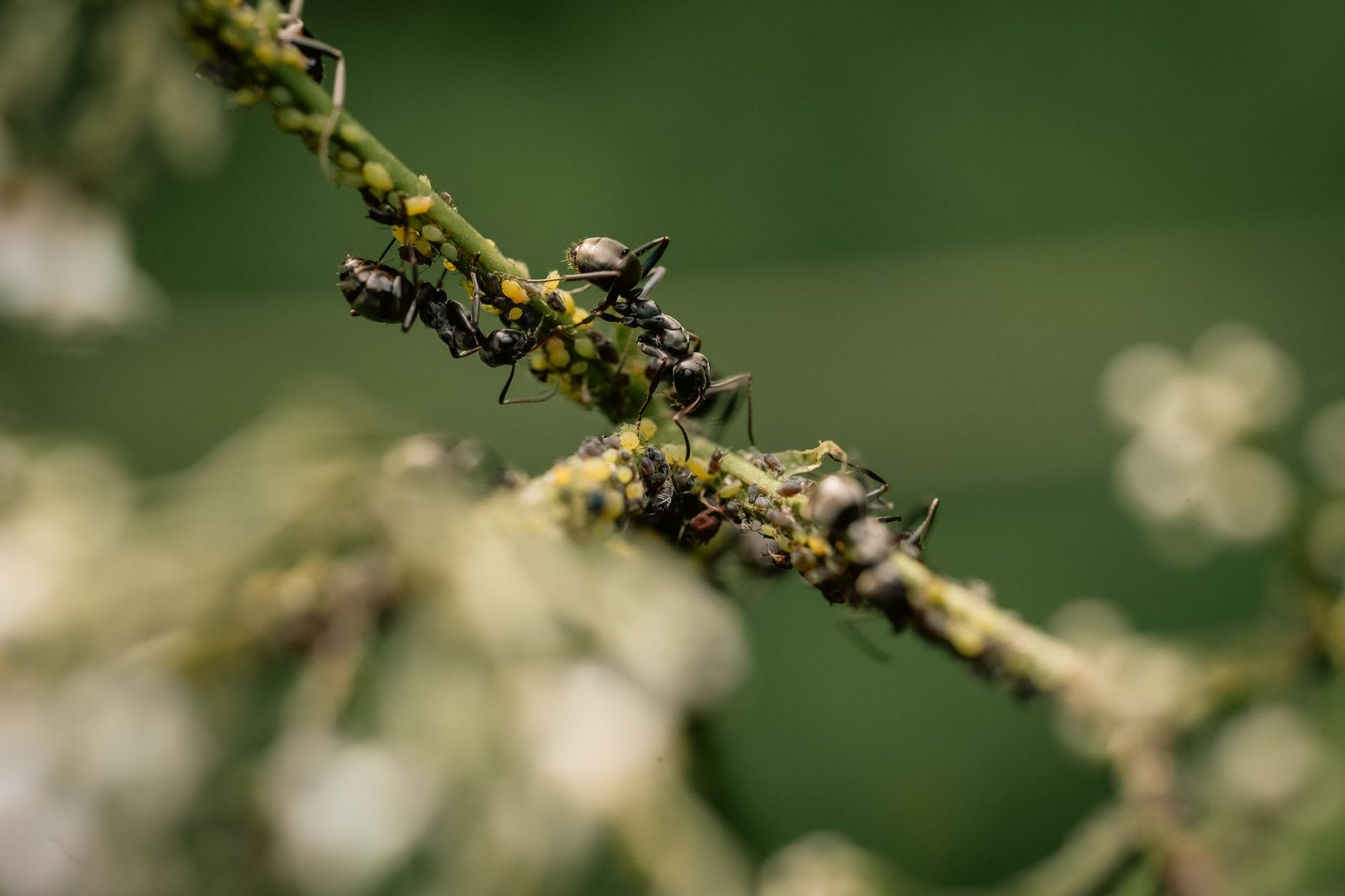
Aphids can indeed devastate a thriving garden, turning lush foliage into wilting, discolored plants and significantly impacting yields. Fortunately, homeowners have access to a robust array of natural and organic strategies in 2026 to identify, prevent, and eliminate these common garden pests without resorting to harmful synthetic chemicals. Embracing these eco-conscious methods not only protects the garden’s ecosystem but also promotes healthier plant life and a safer domestic environment.
Understanding Aphids: Identification and Early Detection
Before implementing control measures, accurate identification is paramount. Aphids are small, pear-shaped insects, typically no larger than 1/8 inch, found in a variety of colors including green, black, white, yellow, or pink. They often cluster on the undersides of leaves, on new growth, or around flower buds. Signs of an aphid infestation include stunted growth, curled or yellowing leaves, sticky ‘honeydew’ residue on plants and surrounding surfaces, and the presence of sooty mold, which grows on the honeydew. In 2026, advances in compact, affordable smart garden sensors can aid in early detection, providing alerts for unusual leaf discoloration or subtle insect activity changes.
Preventative Strategies for a Resilient Garden
Prevention is the first line of defense against aphids. A healthy garden ecosystem is naturally more resistant to pests. Maintaining robust plant health through proper watering, appropriate fertilization, and adequate sunlight reduces plant stress, making plants less susceptible to aphid attacks. Crop rotation, ensuring good air circulation, and avoiding over-fertilization with nitrogen-rich products (which can encourage tender new growth that aphids love) are foundational practices. For 2026, many residents are also integrating native plant species that are naturally more resilient to local pests and beneficial insect attractors.
7 Organic Pest Control Methods for 2026
When prevention isn’t enough, several effective organic methods can be deployed to manage and eradicate aphid populations.
-
Manual Removal and Water Blasting
For smaller infestations or as a first response, physically removing aphids can be highly effective. The homeowner can simply wipe them off with a gloved hand or, more efficiently, blast them off with a strong stream of water from a garden hose. This method dislodges aphids without harming the plant, though it may need to be repeated every few days, especially on new growth. For delicate plants, using a spray bottle with a targeted stream can achieve similar results without causing damage.
-
Encouraging Beneficial Insects
Nature provides its own pest control in the form of beneficial insects. Ladybugs, lacewings, hoverflies, and parasitic wasps are natural predators of aphids. Creating a habitat attractive to these allies by planting specific flowers (e.g., dill, fennel, calendula, sweet alyssum) or providing a water source can significantly reduce aphid numbers. In 2026, the availability of commercially reared beneficial insects for direct release in gardens has become more widespread and accessible, often with improved viability and targeted species selection.
-
Neem Oil and Insecticidal Soaps
Neem oil, extracted from the neem tree, acts as an antifeedant, growth disruptor, and repellent for aphids. It is safe for humans, pets, and beneficial insects once dry. Insecticidal soaps work by disrupting the aphid’s cell membranes, leading to dehydration. Both should be applied thoroughly, covering all leaf surfaces, particularly the undersides where aphids hide. Modern formulations for 2026 often feature emulsifiers that ensure better dispersal and adherence, making them more effective with fewer applications. Always follow product instructions carefully.
-
Companion Planting Strategies
Certain plants can deter aphids or distract them from more valuable crops. Companion planting involves strategically placing these plants near susceptible ones. Examples include:
- Garlic and onions: Their strong scents can repel aphids.
- Marigolds: Known to deter various pests, including aphids, with their potent aroma.
- Nasturtiums: Often act as a ‘trap crop,’ attracting aphids away from other plants. The aphids can then be managed on the nasturtiums directly.
This method leverages natural interactions to create a more resilient garden ecosystem.
-
DIY Garlic or Chili Sprays
Homemade repellent sprays can be prepared using common kitchen ingredients. A simple garlic spray (minced garlic steeped in water, then strained) or a chili spray (hot peppers steeped in water) can deter aphids due to their strong taste and smell. These natural solutions are cost-effective and chemical-free, offering a quick response to burgeoning infestations. Proper straining is crucial to avoid clogging spray nozzles, and testing on a small area of the plant first is recommended to ensure no adverse reaction.
-
Biodegradable Sticky Traps
Yellow sticky traps are effective for monitoring and catching winged adult aphids. The bright yellow color attracts them, and the sticky surface traps them. While not a standalone solution for heavy infestations, they are excellent for early detection and reducing the breeding population. For 2026, there’s a growing trend towards biodegradable and compostable sticky traps, reducing plastic waste and aligning with broader environmental sustainability goals in gardening.
-
Horticultural Oils (Refined Petroleum or Plant-Based)
Horticultural oils, including dormant oils and summer oils, work by smothering aphids and their eggs. These oils are highly refined and safe for use on plants when applied correctly. Plant-based oils, such as those derived from mineral oils or specific vegetable oils, are increasingly popular for their renewability. Applying horticultural oils requires careful timing and adherence to temperature guidelines to prevent plant damage, especially during hot or very cold weather. The latest formulations often have improved emulsification for better coverage and reduced phytotoxicity.
Maintaining a Proactive Stance
Effective aphid control is an ongoing process that requires consistent monitoring and a proactive approach. Regular inspection of plants, especially new growth and undersides of leaves, allows for early intervention, preventing small problems from escalating into major infestations. By integrating these organic and natural methods, homeowners can cultivate a vibrant, healthy garden that thrives without the detrimental effects of synthetic pesticides, aligning with the sustainable gardening principles of 2026. This holistic approach ensures not only beautiful landscapes but also contributes to the overall well-being of the domestic environment.