The selection of outdoor furniture in 2026 presents an opportunity for homeowners to combine aesthetic appeal with environmental responsibility. This year, durable and sustainable materials are at the forefront of design, offering longevity and minimal ecological impact. The article details seven leading eco-friendly outdoor furniture materials that are engineered to endure for years to come, aiding residents in making environmentally conscious purchasing decisions.
The Evolving Landscape of Sustainable Outdoor Living
As 2026 progresses, the demand for sustainable practices extends beyond indoor living to encompass every aspect of a property, particularly outdoor spaces. Homeowners are increasingly prioritizing materials that not only withstand the elements but also contribute positively to global sustainability efforts. This shift is driven by a greater understanding of material lifecycles, manufacturing processes, and the long-term environmental footprint of products. The industry responds with innovative materials and enhanced processing techniques that ensure both resilience and ecological integrity, setting new benchmarks for outdoor furnishings.
Contemporary trends in 2026 emphasize a harmonious blend of natural aesthetics and cutting-edge material science. Manufacturers are focusing on closed-loop production, utilizing recycled content, and ensuring end-of-life recyclability. Low-maintenance properties are also paramount, reducing the need for harsh cleaning chemicals and frequent replacements, thereby further diminishing environmental impact over the product’s lifespan. These advancements facilitate easier, more responsible choices for residents seeking to furnish their patios, decks, and gardens.
Key Eco-Friendly Materials for Lasting Outdoor Furniture in 2026
For those aiming to invest in outdoor furniture that stands the test of time while upholding environmental values, the following materials represent the pinnacle of durability and sustainability in 2026:
1. Recycled High-Density Polyethylene (HDPE)
Recycled HDPE lumber continues to be a top contender for eco-friendly outdoor furniture in 2026. This material is primarily derived from post-consumer plastics, such as milk jugs and detergent bottles, diverting significant waste from landfills. Its manufacturing process typically involves less energy than virgin plastic production. HDPE is exceptionally resistant to weathering, fading, rot, insects, and salt spray, making it ideal for coastal environments or areas with harsh climates. The resident will find HDPE requires virtually no maintenance beyond occasional cleaning with soap and water, retaining its vibrant color and structural integrity for decades without cracking or splintering. Modern advancements include textured finishes that mimic natural wood, expanding its aesthetic versatility.
2. FSC-Certified Teak and Other Sustainable Hardwoods
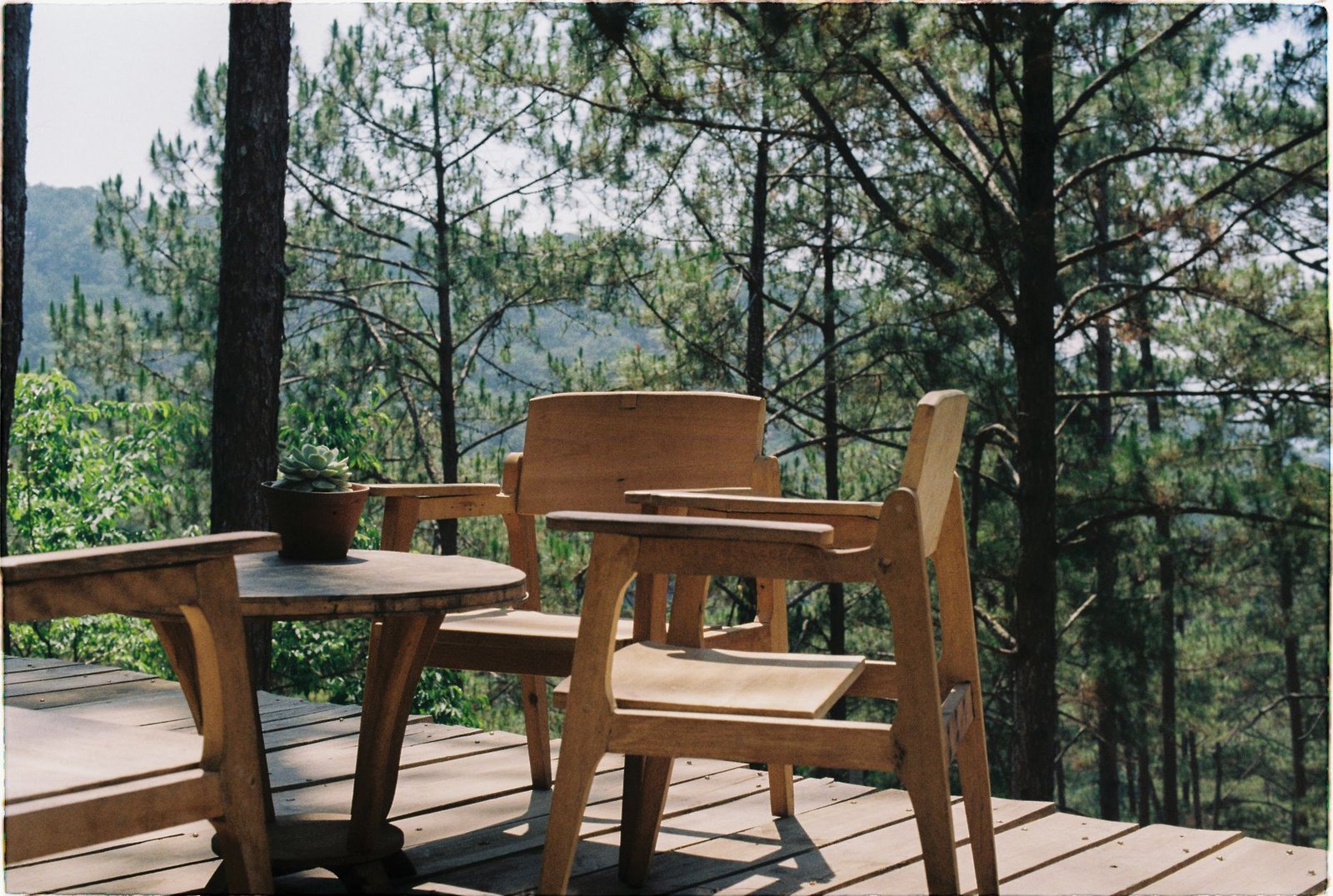
While traditional hardwoods like teak are renowned for their natural durability and resistance to decay, the key to their eco-friendliness in 2026 lies in certification. Forest Stewardship Council (FSC) certification ensures that the wood originates from responsibly managed forests, promoting biodiversity and ethical forestry practices. Beyond teak, other sustainable hardwoods such as shorea and eucalyptus, when FSC-certified, offer excellent weather resistance and a classic aesthetic. These woods contain natural oils that repel water and insects, providing robust protection against the elements. While they may develop a beautiful silvery patina over time, the homeowner can maintain their original warm tone with periodic oiling. The commitment to certified sourcing ensures that the pursuit of luxurious outdoor living does not come at the expense of global forests.
3. Bamboo Composites
Bamboo, recognized as one of the fastest-growing renewable resources, forms the base for increasingly popular outdoor furniture composites in 2026. These composites often blend bamboo fibers with recycled plastics or eco-resins, creating a material that inherits bamboo’s strength and rapid renewability while gaining enhanced weather resistance. Bamboo composites offer remarkable tensile strength and are resistant to moisture, mold, and insects. They present a natural, warm aesthetic reminiscent of wood but with a lighter environmental footprint, especially when the composite binders are also sustainably sourced. Maintenance is minimal, typically involving simple cleaning, and the material’s structural integrity remains uncompromised over extended periods in outdoor settings.
4. Marine-Grade Stainless Steel
For a sleek, modern, and exceptionally durable option, marine-grade stainless steel (specifically 316 grade) remains a leading choice in 2026. While its primary eco-friendly attribute is its extreme longevity and 100% recyclability at the end of its very long life cycle, the material itself is often produced with a significant percentage of recycled content. Its superior corrosion resistance, particularly against salt air and chlorine, makes it ideal for coastal properties and poolside areas. Stainless steel requires minimal upkeep, primarily occasional cleaning to prevent surface oxidation or “tea staining” in harsh conditions. Its strength allows for slender designs, reducing the overall material usage, and its inert nature means it does not leach harmful chemicals into the environment.
5. Recycled Aluminum
Lightweight, strong, and exceptionally rust-resistant, recycled aluminum is a staple for durable outdoor furniture, with its sustainability credentials continuously improving in 2026. Aluminum is infinitely recyclable, and producing new aluminum from recycled scrap uses significantly less energy (up to 95% less) than producing it from raw ore. The material’s inherent resistance to corrosion ensures its longevity in all climates, and it does not require protective coatings that might wear off. Advances in powder coating technologies in 2026 offer highly durable, chip-resistant, and aesthetically diverse finishes that are also environmentally friendlier, containing fewer volatile organic compounds (VOCs). The homeowner benefits from a lightweight, low-maintenance, and highly versatile material that supports circular economy principles.
6. Eco-Friendly Concrete and Fiber Cement
Concrete, once viewed as merely utilitarian, has evolved into a sophisticated, sustainable material for outdoor furnishings in 2026, especially when incorporating recycled aggregates or low-carbon cement alternatives. Fiber cement, a composite of cement, cellulose fibers, and other additives, offers a lighter, yet equally durable alternative. These materials are incredibly resilient to extreme weather, UV radiation, and physical impact, promising decades of service. Their eco-friendly aspect is enhanced through local sourcing of raw materials, reducing transportation emissions, and their inert composition which prevents off-gassing. Modern finishes include sealants that provide stain resistance and an elegant, contemporary aesthetic. The inherent density of concrete and fiber cement also helps to stabilize furniture in windy conditions, providing robust outdoor solutions with minimal environmental impact when produced responsibly.
7. Weathered Steel (Corten)
Corten steel, often referred to as weathered steel, is gaining traction in 2026 for its striking aesthetic and impressive environmental characteristics. This alloy forms a stable, rust-like appearance when exposed to the elements, eliminating the need for painting or protective coatings and reducing maintenance. Corten’s durability is exceptional, forming a protective patina that prevents further corrosion, making it incredibly long-lasting in outdoor environments. Its sustainability comes from its inherent longevity and the fact that steel is one of the world’s most recycled materials, often incorporating significant post-consumer content. The unique, earthy tones of Corten blend seamlessly into natural landscapes, offering a contemporary yet organic appeal that requires almost no intervention once installed, contributing to a truly low-impact outdoor space.
Making the Conscious Choice for Lasting Outdoor Comfort
The landscape of outdoor living in 2026 is defined by innovation that champions both style and stewardship. Selecting furniture crafted from materials such as recycled HDPE, FSC-certified hardwoods, bamboo composites, marine-grade stainless steel, recycled aluminum, eco-friendly concrete, or weathered steel empowers the homeowner to create inviting outdoor sanctuaries that endure. These materials represent a commitment to durability, minimal maintenance, and a reduced environmental footprint, aligning with the values of a more conscious consumer base.
Investing in these sustainable options ensures that outdoor furnishings remain robust and aesthetically pleasing for many seasons, mitigating the need for frequent replacements. This approach not only conserves resources but also provides long-term value and peace of mind. By prioritizing materials with proven eco-credentials and exceptional longevity, residents contribute to a healthier planet while enjoying their beautifully appointed outdoor spaces for years to come.