
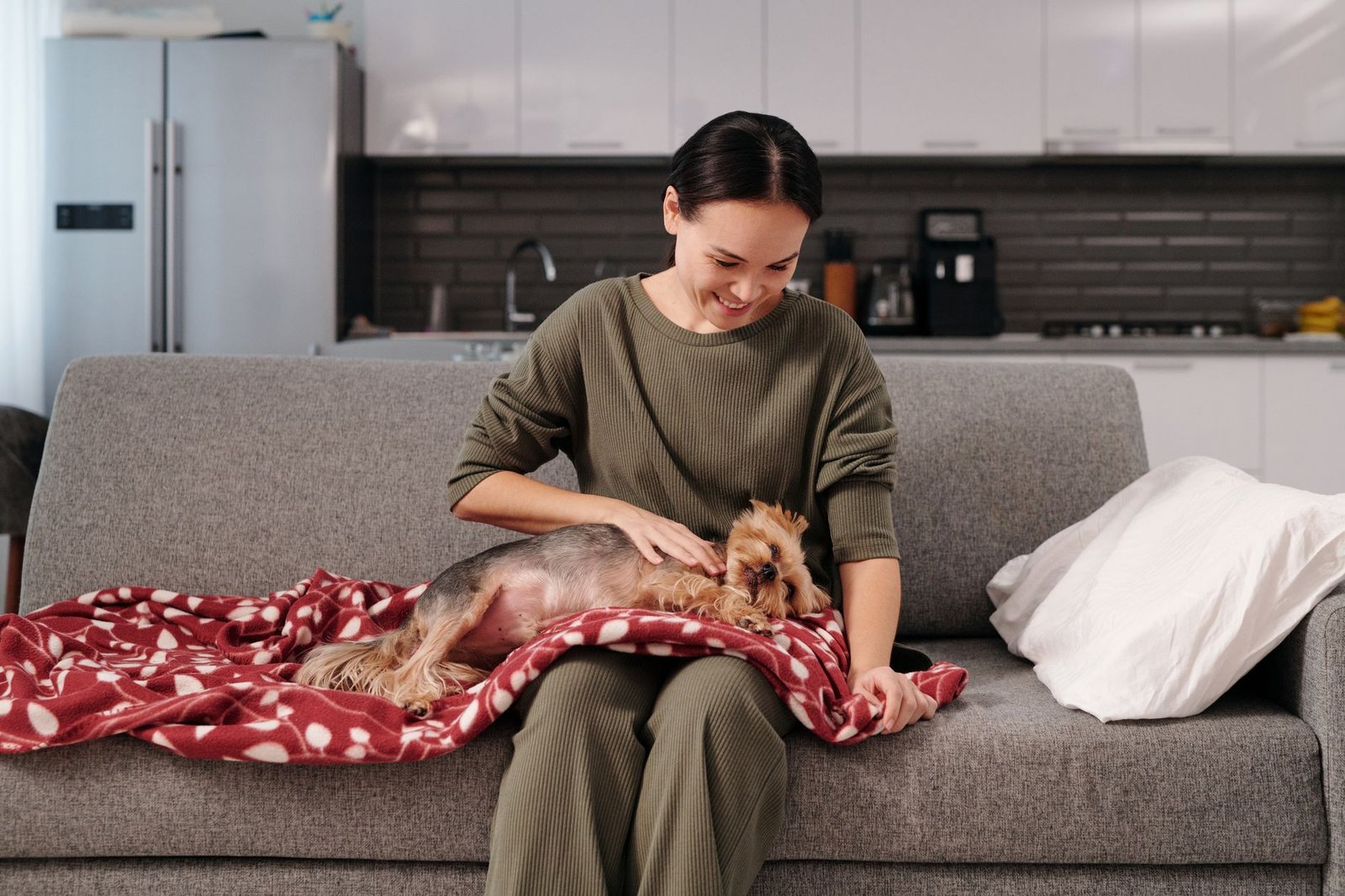
For homeowners navigating the myriad choices in furniture upholstery in 2026, particularly those sharing their living spaces with beloved pets, the question of material longevity and practicality is paramount. When comparing velvet against modern performance fabrics for a sofa, performance fabrics generally emerge as the more durable and lower-maintenance option for homes with animals, offering superior resistance to the typical wear and tear inflicted by pets. However, contemporary advancements in velvet manufacturing have narrowed the gap, introducing more resilient versions that might appeal to those prioritizing a luxurious aesthetic.
This article provides a detailed comparison, examining the latest developments in both fabric types to help homeowners make an informed decision that balances style, durability, and ease of care for their pet-friendly abodes in the current year.
Understanding Modern Velvet for Pet Homes
The Allure of Velvet and Its Modern Innovations
Velvet, with its distinctive soft pile and opulent sheen, has long been a symbol of luxury and comfort. Historically made from silk or cotton, traditional velvet was notoriously delicate and high-maintenance, making it a challenging choice for pet owners. In 2026, however, the landscape of velvet has evolved significantly. Many contemporary velvets are crafted from synthetic fibers such as polyester, rayon, or a blend of synthetics, often labeled as microfiber velvet. These materials offer enhanced durability, stain resistance, and crush resistance compared to their natural predecessors.
The pile structure of velvet, specifically a short, dense cut pile, can be less prone to snagging than looped fabrics. Despite these improvements, the unique texture means pet hair can cling to it, and while modern synthetic velvets are more robust, they still present a surface where pet claws could potentially cause damage or flatten the pile over time.
Durability Factors of Contemporary Velvet
The durability of modern velvet is largely dependent on its composition and weave density. Synthetic velvets often boast higher abrasion resistance ratings (e.g., Martindale or Wyzenbeek scores), indicating their ability to withstand rubbing and friction. This makes them more resilient against general wear than older, more fragile velvets. However, the primary concern for pet owners remains the potential for snagging. While a tightly woven, short-pile synthetic velvet minimizes this risk, it does not entirely eliminate it, especially with pets prone to scratching or kneading. Furthermore, prolonged exposure to direct sunlight can still lead to fading in some velvet types, a factor to consider for sofas placed near windows.
Cleaning and Care for Velvet with Pets
Maintenance is a crucial consideration for any pet-friendly fabric. While modern synthetic velvets are more forgiving than traditional types, they still require specific care. Spot cleaning can be effective for fresh spills, but improper technique or harsh chemicals can lead to watermarks or discoloration. Deep stains, particularly those from pet accidents, often necessitate professional cleaning. Regular vacuuming with an upholstery attachment or lint rolling is essential to manage pet hair, which tends to adhere to the velvet pile. Odor absorption can also be a concern over time, potentially requiring specialized fabric deodorizers or professional intervention.
The Evolution of Performance Fabrics in 2026
Defining Modern Performance Fabrics
Performance fabrics are engineered textiles designed for exceptional durability, stain resistance, and ease of maintenance, making them ideal for high-traffic areas and homes with pets. Brands like Crypton, Sunbrella, and Revolution Fabrics have become industry standards, but in 2026, proprietary blends and advanced material technologies continue to push the boundaries. These fabrics often incorporate advanced molecular treatments or tightly woven synthetic fibers (e.g., solution-dyed acrylics, polyesters, polypropylenes) that create an inherent barrier against liquids and stains, rather than relying on topical coatings that can wear off.
Current innovations in performance fabrics focus on not only stain and liquid repellency but also on integrating odor control, enhancing breathability, and improving the tactile experience to mimic the softness of natural fibers. There is also a growing emphasis on sustainable manufacturing processes, including the use of recycled content and reduced chemical footprints.
Key Innovations for Pet-Friendly Homes
- Advanced Stain and Liquid Repellency: State-of-the-art performance fabrics feature molecular barriers that prevent liquids from penetrating fibers, causing spills to bead up on the surface for easy blotting. This is critical for managing pet accidents.
- Integrated Odor Control: Many 2026 performance fabrics now incorporate antimicrobial treatments or odor-absorbing technologies directly into their fibers, significantly reducing the retention of pet odors.
- Enhanced Durability Weaves: Tightly woven structures, such as basketweaves, twills, and micro-denier constructions, are designed to be highly resistant to snags, pills, and scratches, offering minimal purchase for pet claws.
- Eco-friendly Advancements: The industry sees continued development in non-PFC (per- and polyfluoroalkyl substances) durable water repellent (DWR) finishes and increased use of recycled plastics in fabric production, aligning with homeowner desires for responsible choices.
Durability Beyond Stains
Beyond their renowned stain resistance, performance fabrics excel in overall durability. They typically have very high abrasion resistance ratings, designed to withstand extensive daily use without showing significant wear. Pilling resistance is also generally excellent due to the fiber and weave choices. Furthermore, many performance fabrics, initially developed for outdoor use, offer superior UV resistance, meaning they are highly resistant to fading even in direct sunlight, preserving the sofa’s appearance for years.
Durability and Longevity: A Pet-Centric Comparison
Scratch and Snag Resistance
For pet owners, the primary concern regarding durability often revolves around claws. Velvet, even modern synthetic variants, remains vulnerable to snags. While a dense, short-pile velvet fares better than a looped-pile fabric, the individual threads forming the pile can still be pulled or damaged by sharp claws, leading to visible imperfections. Performance fabrics, in contrast, are specifically engineered to resist this type of damage. Their tightly woven structures and often smoother, resilient surfaces offer very little for claws to grip, making them highly resistant to snags and scratches. This inherent characteristic significantly contributes to their longevity in a pet-friendly household.
Wear and Tear Over Time
The long-term appearance and structural integrity of a sofa are critical. Velvet can show wear in high-traffic areas through pile crushing, matting, or even bald spots where the pile has been permanently flattened or worn away. The dynamic nature of velvet’s pile means it can appear uneven or shaded differently with use. Performance fabrics, on the other hand, are designed to maintain their aesthetic and structural integrity remarkably well over years of heavy use. They resist sagging, stretching, and overall abrasion, ensuring the sofa looks newer for longer, even with constant pet interaction. Their consistent texture and inherent resilience mean they bounce back from compression and resist showing overt signs of wear in common sitting areas.
Maintenance and Stain Resistance: Real-World Pet Challenges
Managing Spills and Accidents
Pet accidents are an unavoidable reality for many homeowners. Velvet requires immediate and careful attention when spills occur. Liquid can quickly wick into the fibers, potentially leaving permanent watermarks or stains if not addressed promptly and correctly. Specific cleaning agents may be required, and often, professional intervention is recommended for optimal results, adding to the long-term cost and inconvenience. Performance fabrics fundamentally alter this dynamic. Most liquids, including pet urine, bead up on the surface, allowing for simple blotting with a clean cloth. Many performance fabrics can be cleaned with mild soap and water, and some slipcovers are even machine washable, offering unparalleled ease of cleanup and peace of mind for pet owners.
Odor Control and Pet Hair
Odor absorption is another significant challenge in pet-friendly homes. Velvet, particularly natural fiber blends, can absorb odors over time, becoming a source of stale pet smells. Pet hair also tends to cling to the velvet pile, requiring consistent grooming with specialty tools to maintain a clean appearance. In contrast, performance fabrics are significantly less prone to odor absorption due to their non-porous or treated fibers. Pet hair often vacuums or wipes away with remarkable ease from the smoother, less fibrous surface of performance fabrics. Some materials are even engineered to resist static cling, further simplifying pet hair removal.
Comfort, Aesthetics, and Pet-Friendly Design Considerations
Tactile Experience and Aesthetic Appeal
While performance is a key factor, the sensory experience and visual appeal of a sofa remain important. Velvet is unmatched for its luxurious, soft feel and rich, dynamic visual texture that shifts with light. It offers a sophisticated and inviting aesthetic that many homeowners find irresistible. Performance fabrics, however, have evolved significantly. The perception that they are rough or only suitable for outdoor use is outdated. In 2026, a vast array of performance fabrics mimic natural fibers, offering soft hand feels, diverse textures (from linen-like to chenille-like), and an extensive palette of colors and patterns. Homeowners no longer need to compromise entirely on comfort or style to gain durability.
Integrating Pet Needs into Interior Design
Beyond fabric choice, several design considerations can enhance a sofa’s pet-friendliness. Opting for patterned or darker fabrics can cleverly camouflage minor imperfections, pet hair, or light stains. The availability of removable and washable slipcovers, often a feature of performance fabric sofas, is a significant advantage, allowing for thorough cleaning. Furthermore, some homeowners choose to protect specific areas where pets lounge most frequently with durable, washable throws or blankets, irrespective of the sofa’s primary upholstery material.
Making the Informed Choice for 2026
For homeowners prioritizing ultimate longevity and minimal maintenance with pets, particularly active animals or those prone to accidents, modern performance fabrics are unequivocally the superior choice in 2026. Their inherent resistance to stains, odors, snags, and wear makes them a practical, long-lasting investment that can withstand the rigors of pet ownership with grace.
For those valuing the luxurious aesthetic and unique tactile experience of velvet, and where pets are less destructive, smaller, or accidents are rare, contemporary synthetic velvets offer an appealing compromise. These improved velvets provide a touch of elegance while offering more resilience than their traditional counterparts, albeit with generally higher maintenance demands compared to performance fabrics.
Ultimately, the decision hinges on balancing aesthetic desires with the practical realities of pet ownership. Homeowners should evaluate their pet’s habits, their lifestyle, and their willingness to invest time in maintenance. In 2026, both categories offer advanced solutions, but for uncompromised durability and ease of care in a pet-filled home, performance fabrics stand out as the leading choice.