Determining the optimal automatic watering system for a small garden in 2026 hinges on several factors, including the specific plant types, garden layout, budget, and desired level of smart integration. While no single system reigns supreme universally, modern advancements in drip irrigation and smart controllers offer the most efficient and user-friendly solutions for compact spaces, catering to diverse horticultural needs with precision and minimal waste.
Understanding Small Garden Watering Needs
Diverse Plant Requirements
Small gardens often feature a variety of plant species, each with unique hydration demands. For instance, succulents and drought-tolerant perennials require infrequent, deep watering, whereas leafy greens, annuals, and certain herbs thrive with more consistent, shallow moisture. A truly effective automatic system must accommodate these variations, preventing overwatering sensitive plants and ensuring adequate supply for thirsty specimens. The challenge in a compact area is often segmenting these zones effectively without extensive hardware.
Space Efficiency and Aesthetics
In small garden environments, every inch matters. An automatic watering system should be discreet, blend seamlessly with the landscape, and not obstruct pathways or planters. Bulky timers, exposed tubing, and large sprinkler heads can detract from the garden’s visual appeal and functionality. Modern solutions prioritize compact design, hidden components, and flexible routing options, allowing the resident to maintain an aesthetically pleasing and tidy outdoor space.
Top Automatic Watering Systems for Small Gardens in 2026
Drip Irrigation Systems: Precision and Efficiency
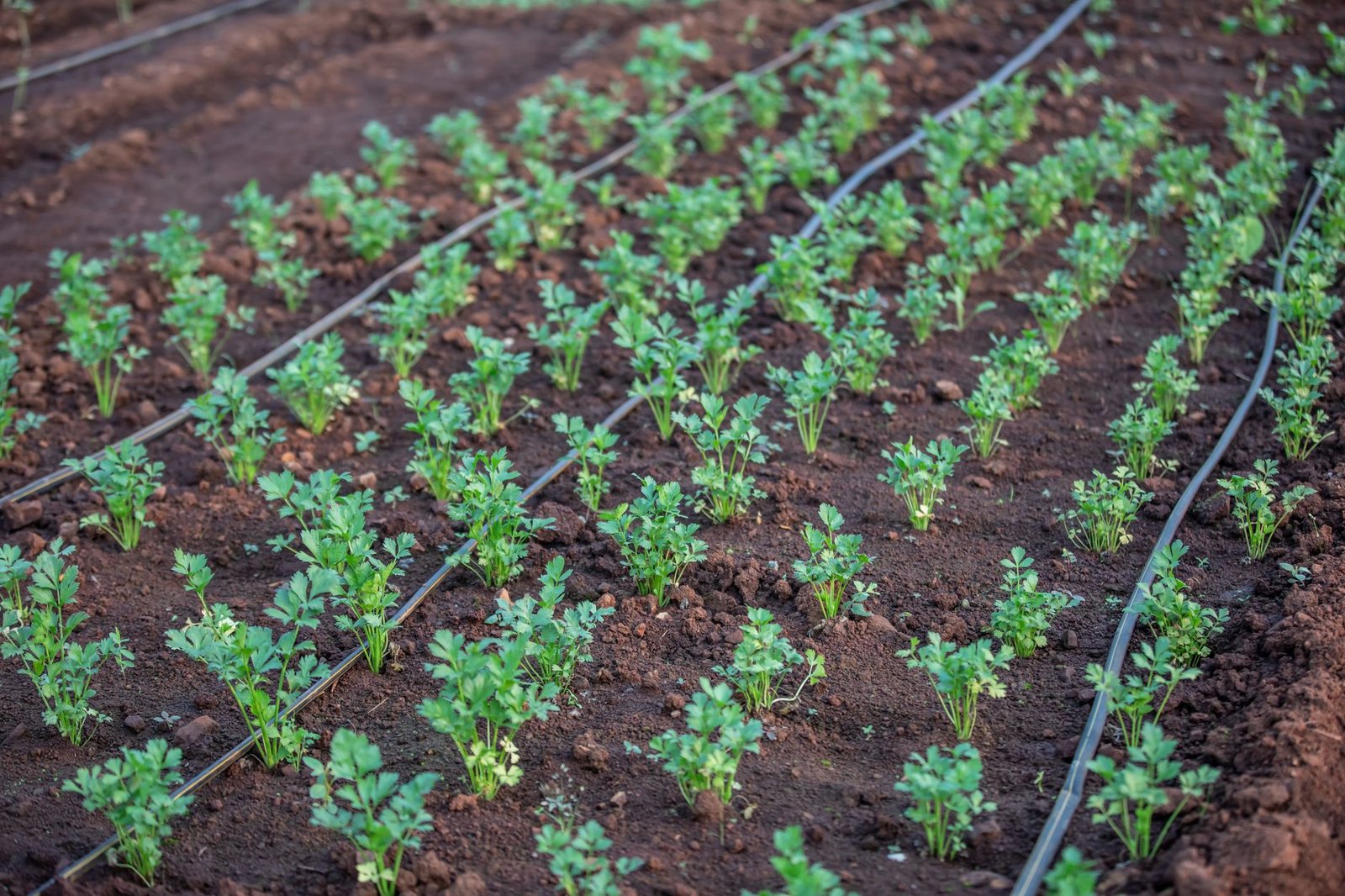
Drip irrigation remains a perennial favorite for its water-saving capabilities and targeted delivery. In 2026, these systems are more refined than ever, featuring advanced materials and emitter designs. Micro-drippers and mini-sprinklers are ideal for potted plants, raised beds, and densely planted areas, delivering water directly to the root zone with minimal evaporation. Soaker hoses, constructed from durable, recycled rubber or bio-based polymers, release water along their entire length, making them suitable for linear garden beds or evenly spaced rows of vegetables.
-
Material Innovations: Modern drip lines incorporate UV-stabilized, food-grade recycled plastics and composites that resist degradation from sunlight and algae growth, extending product lifespan significantly. Some feature self-cleaning mechanisms to prevent clogging from mineral deposits or sediment.
-
Flow Control: Pressure-compensating emitters ensure uniform water distribution across the entire system, regardless of terrain changes or line length, a critical feature for small, multi-level gardens.
Smart Garden Controllers and Wi-Fi Integration
For the homeowner seeking maximum convenience and water optimization, smart controllers are paramount in 2026. These devices connect to the resident’s Wi-Fi network and integrate with hyper-local weather forecasts, soil moisture sensors, and even plant-specific databases. AI-powered scheduling algorithms learn the garden’s specific needs over time, adjusting watering cycles based on real-time evaporation rates, recent rainfall, and predicted temperatures. App-based control allows for remote monitoring and adjustments, while integration with smart home ecosystems enables voice commands for manual overrides or system checks.
-
Predictive Watering: Advanced models can anticipate water needs hours or even days in advance, leveraging machine learning to prevent underwatering during heatwaves or overwatering before a storm.
-
Zone Management: Multiple independent zones can be controlled, allowing for precise customization for different plant types or garden sections within a small space.
Self-Watering Planters and Hydroponic Kits
For extremely compact areas such as balconies, patios, or indoor herb gardens, self-watering planters offer an integrated, passive solution. These systems typically feature a reservoir below the planting medium, from which water is drawn up via capillary action or wicking material as needed. Hydroponic kits, while more specialized, provide highly controlled environments for certain crops, delivering nutrient-rich water directly to roots with exceptional efficiency. Both options minimize daily maintenance for the user.
-
Aesthetic Integration: Many 2026 self-watering planters are designed with sleek, modern aesthetics, blending functionality with decorative appeal.
-
Material Advancements: New bio-composite and recycled material blends offer lightweight yet durable options with enhanced UV resistance.
Capillary Mat Systems
Less common for outdoor gardens but highly effective for propagation, seed starting, or collections of potted plants, capillary mat systems utilize a highly absorbent mat placed under pots. Water is applied to the mat, and plants draw moisture up through drainage holes by capillary action. This method provides uniform bottom watering, ideal for delicate seedlings or plants that prefer consistent moisture without overhead wetting.
Key Considerations for System Selection
Budgetary Constraints and Long-Term Value
Initial investment for an automatic watering system can vary widely. While simple hose timers and basic drip kits are economical, advanced smart controllers and professional-grade components require a higher upfront cost. The homeowner should consider the long-term value, including potential water bill savings, reduced plant loss, and the time saved on manual watering. Durability of materials, particularly UV-resistant tubing and corrosion-proof connectors, directly impacts the system’s lifespan and overall return on investment.
Water Source, Pressure, and Conservation
The available water source (municipal tap, well, rainwater harvesting system) and its pressure are crucial. Most drip systems require a pressure reducer to operate optimally and prevent damage. For 2026, an increasing number of systems are designed for greywater compatibility, allowing residents to repurpose household wastewater for non-edible plants, aligning with sustainability goals. Water conservation is paramount, and systems offering low-flow emitters, rain sensors, and cycle-and-soak features should be prioritized to minimize waste.
Ease of Installation and User Interface
For many small garden enthusiasts, a DIY-friendly system is preferred. Modular components, quick-connect fittings, and comprehensive instructions simplify the setup process. For smart systems, an intuitive mobile application with clear scheduling options, status updates, and diagnostic tools enhances the user experience. Integration with existing smart home platforms (e.g., Matter-certified devices) is a growing trend, offering a unified control interface.
Material Durability and Sustainability
Modern consumers increasingly prioritize products made from sustainable materials. In 2026, residents can find systems incorporating recycled plastics, bio-based polymers, and durable composites designed for longevity. UV stability is critical for outdoor components to prevent cracking and embrittlement. Furthermore, consider systems with easily replaceable parts to extend their service life, reducing waste and the environmental footprint.
Installation, Maintenance, and Future Trends
Installation Approaches: DIY vs. Professional
Many small garden automatic watering systems are designed for straightforward DIY installation, particularly drip kits and basic timers. Components are often modular, allowing for easy expansion or reconfiguration. However, for complex layouts, integration with smart home systems, or residents seeking a perfectly optimized and concealed setup, professional installation may be beneficial. A professional can ensure proper pressure regulation, zone balancing, and seamless integration with existing landscaping.
Seasonal Maintenance for Longevity
Regular maintenance is key to the longevity and efficiency of any automatic watering system. This includes flushing lines to prevent mineral buildup and clogs, especially before winterization. For smart systems, checking sensor calibration and battery levels ensures accurate operation. Inspecting tubing for leaks, replacing worn emitters, and cleaning filters annually will prevent common issues and maintain optimal performance. Proper winterization, such as draining lines in cold climates, is essential to prevent freeze damage.
Emerging Technologies in Garden Automation
Looking ahead, automatic watering systems will continue to evolve with even greater intelligence. Expect to see more sophisticated predictive watering algorithms that factor in microclimates within a garden, advanced soil spectroscopy for nutrient analysis, and even robotic assistance for tasks like targeted watering or pest detection. Self-healing materials for tubing, capable of sealing minor punctures, are also on the horizon, further reducing maintenance needs and water loss. The future promises even more seamless, autonomous, and sustainable garden hydration solutions for the homeowner.