
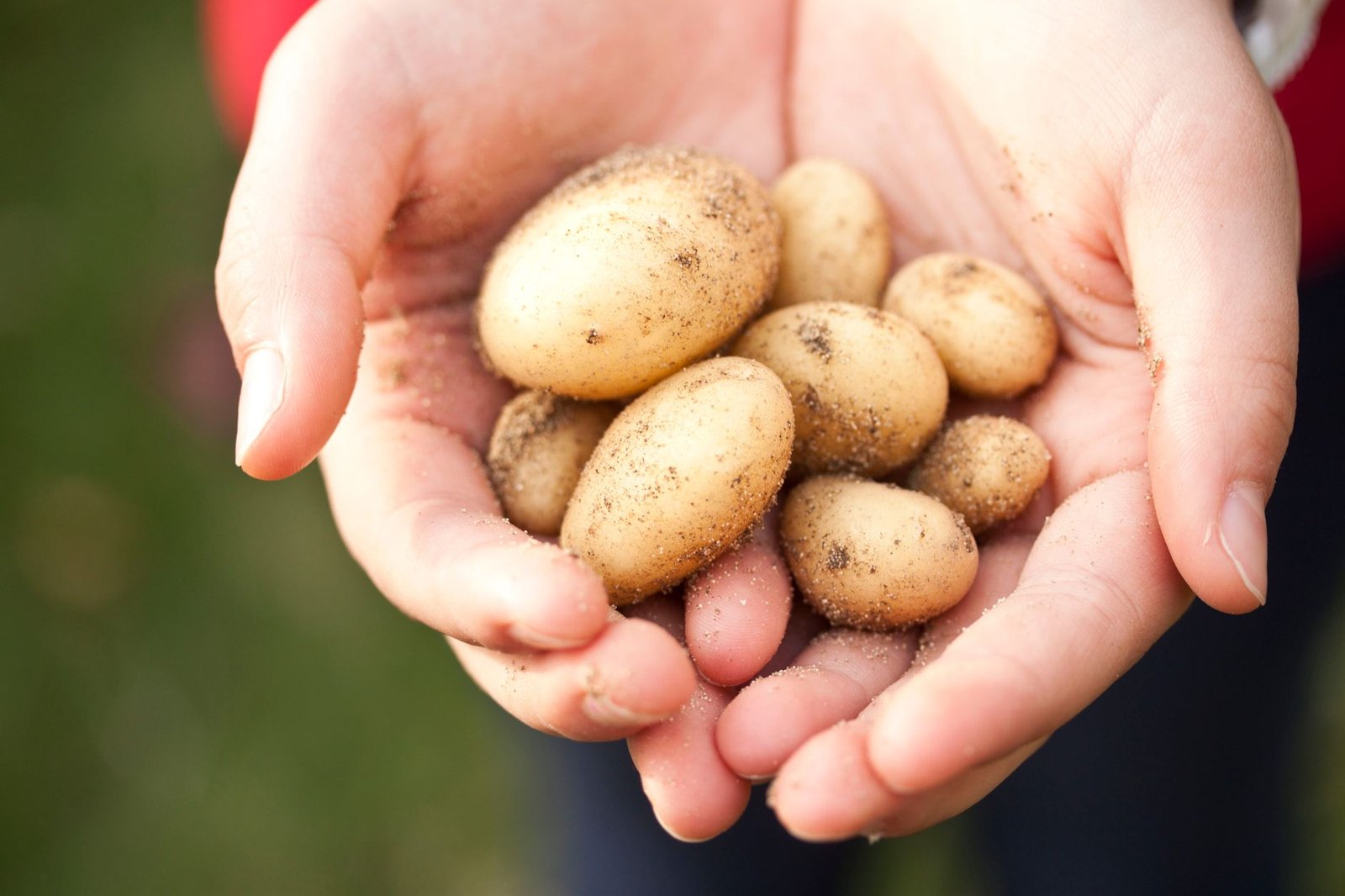
When a vegetable garden fails to flourish, producing meager harvests or struggling plants, the underlying cause frequently resides below the surface: compromised soil health. Addressing these foundational issues is paramount for cultivating robust plants and achieving abundant yields. This article outlines seven essential, actionable soil health fixes, focusing on organic solutions and modern approaches, designed to revitalize any struggling vegetable patch and ensure a significantly more productive growing season for 2026.
Understanding Soil: The Foundation of Productivity
Soil is far more than just a medium for roots; it is a complex, living ecosystem critical for plant growth. Healthy soil acts as a reservoir for water and nutrients, provides structural support, facilitates gas exchange, and hosts a diverse community of microorganisms that aid in nutrient cycling and disease suppression. For a productive vegetable garden, understanding and nurturing this living system is key. In 2026, advancements in soil science continue to emphasize holistic approaches, integrating technology with time-honored organic practices to achieve optimal soil vitality.
Seven Essential Soil Health Fixes for 2026
1. Conducting a Comprehensive Soil Test
The first step in diagnosing and remediating soil issues is a detailed analysis. A professional soil test reveals crucial information about nutrient levels (macro and micro), organic matter content, and pH. For 2026, accessible DIY soil testing kits offer rapid insights, often integrating with smartphone applications for immediate interpretation and recommendations. However, for a truly in-depth understanding, a laboratory analysis remains the gold standard, providing precise data that guides targeted amendments. Understanding the current soil composition is vital before implementing any changes.
2. Enhancing Organic Matter with Composting and Humus
Organic matter is the lifeblood of healthy soil, improving structure, water retention, nutrient availability, and microbial activity. The resident can significantly boost organic content through consistent application of compost. Traditional hot composting, vermicomposting (using worms), and trench composting are effective methods to transform kitchen scraps and yard waste into nutrient-rich humus. Modern organic soil conditioners, often bio-engineered for rapid integration, are also gaining traction, offering concentrated forms of humic and fulvic acids derived from sustainable sources, enriching the soil food web quickly.
3. Implementing Cover Cropping and No-Till Practices
Leaving soil bare, especially during off-seasons, degrades its quality. Cover crops, such as clover, vetch, or rye, protect the soil from erosion, suppress weeds, add organic matter when tilled under, and can fix nitrogen. The no-till or minimal-till approach, which avoids disturbing the soil layers, preserves soil structure and beneficial microbial networks. In 2026, specialized broadforks and minimal-disturbance planting tools make no-till gardening more accessible for the home gardener, demonstrating superior long-term benefits for soil structure and fertility.
4. Optimizing Soil pH and Nutrient Availability
Soil pH dictates the availability of nutrients to plants. Most vegetables thrive in a slightly acidic to neutral range (pH 6.0-7.0). If a soil test indicates an imbalanced pH, organic amendments can correct it. To raise pH (make it less acidic), options include wood ash or agricultural lime. To lower pH (make it more acidic), elemental sulfur or peat moss can be applied. Once pH is balanced, organic fertilizers, such as bone meal for phosphorus, kelp meal for micronutrients, and alfalfa meal for nitrogen, can be integrated based on specific crop needs and soil test recommendations. Maintaining the correct pH ensures plants can absorb vital nutrients efficiently.
5. Leveraging Biochar and Microbial Amendments
Biochar, a highly porous charcoal created from biomass, is a significant trend for 2026 soil improvement. When incorporated into garden beds, it dramatically enhances water retention, nutrient holding capacity, and provides a habitat for beneficial microbes. Alongside biochar, microbial inoculants – formulations containing beneficial fungi (like mycorrhizae) and bacteria – are becoming increasingly sophisticated. These amendments forge stronger root systems, improve nutrient uptake, and enhance plant resilience against disease. Users are finding engineered microbial blends, tailored to specific soil types and crops, offer promising results.
6. Improving Drainage and Aeration
Compacted, poorly draining soil suffocates roots and creates an anaerobic environment hostile to beneficial soil life. Improving drainage and aeration is crucial. For existing beds, the resident can incorporate coarse organic matter like well-aged compost, shredded leaves, or fine wood chips. Raised garden beds are an excellent solution for areas with persistent drainage issues, allowing for control over soil composition. Double-digging, a labor-intensive but effective method, physically loosens compacted layers, while regular application of compost maintains a crumbly, well-aerated structure over time.
7. Strategic Crop Rotation and Companion Planting
Repetitive planting of the same crops in the same spot depletes specific nutrients and encourages pest and disease cycles. Implementing a 3-4 year crop rotation plan, moving plant families (e.g., brassicas, legumes, solanaceae) to different beds each season, helps break these cycles and balance nutrient demand. Companion planting, the practice of growing mutually beneficial plants together, can deter pests, attract pollinators, and improve overall plant health. For example, marigolds can repel nematodes, while beans provide nitrogen for corn. These ecological strategies are fundamental to maintaining long-term soil health and garden productivity.
Sustaining Soil Health for Future Abundance
Achieving a thriving vegetable garden with bigger yields in 2026 requires a proactive and continuous commitment to soil health. By implementing these seven fixes – from precise testing and organic matter enhancement to advanced biochar and microbial strategies, alongside thoughtful cultural practices like crop rotation – the homeowner can transform a struggling plot into a vibrant, productive ecosystem. Consistent observation and adaptation based on plant responses will further refine these methods, ensuring sustained fertility and abundant harvests for years to come. A healthy garden truly begins with healthy soil.