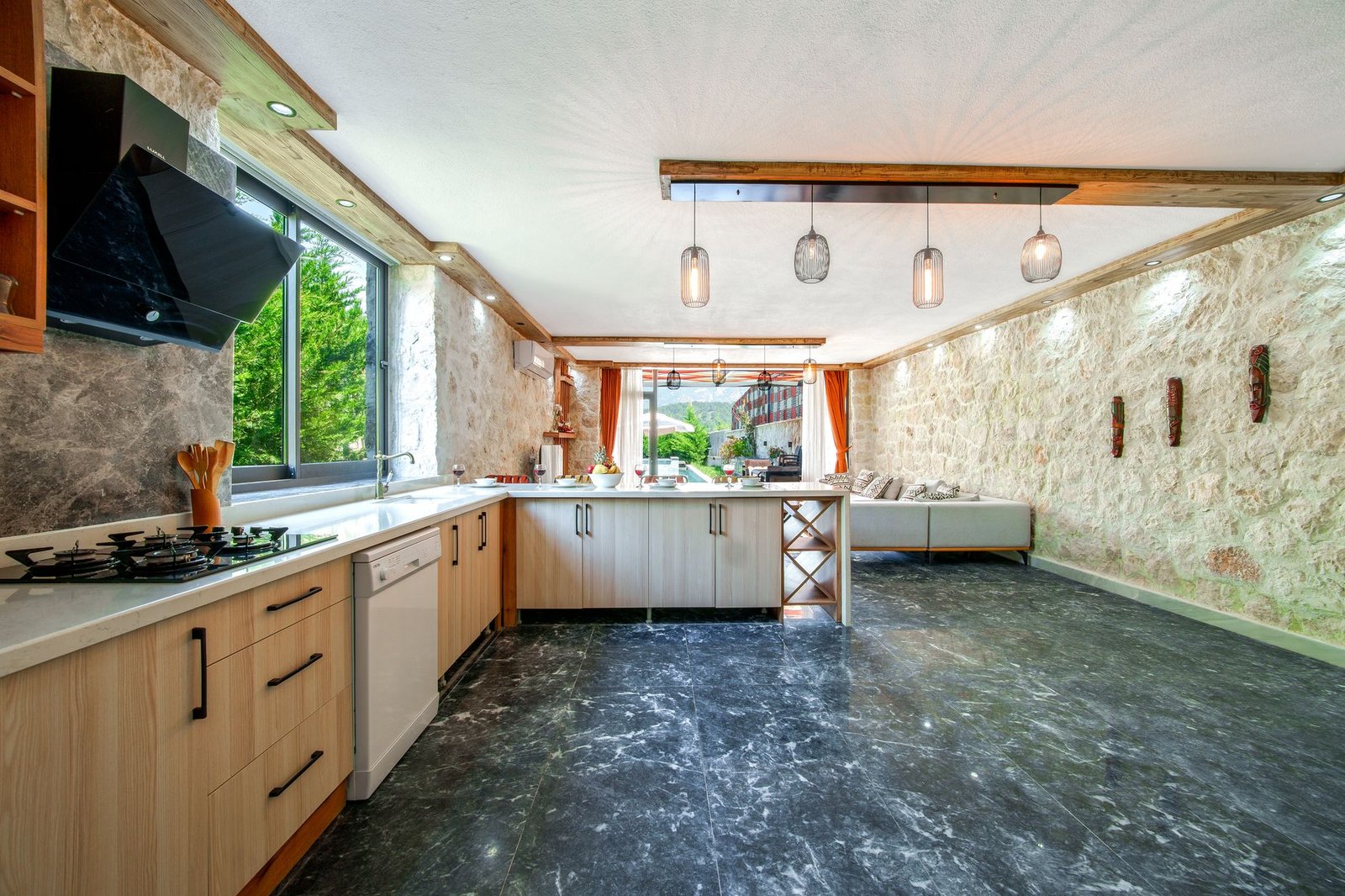
A dark kitchen can feel unwelcoming, impacting both mood and functionality. Fortunately, transforming a dim culinary space into an airy, bright environment does not require extensive renovation. This article details five effective, non-structural design strategies that homeowners can implement in 2026 to significantly enhance light levels and overall appeal.
Strategic Lighting Beyond Fixtures
While installing new windows or tearing down walls is out of scope for a non-renovation approach, optimizing existing and supplemental lighting is paramount. The goal is to create a multi-layered illumination scheme that minimizes shadows and maximizes perceived brightness.
Layered Illumination for Depth
Effective lighting design employs a combination of ambient, task, and accent lighting. Ambient lighting provides overall brightness, often from overhead fixtures. Task lighting, crucial for food preparation and cooking, illuminates specific work zones. Accent lighting adds visual interest and highlights features. For a dark kitchen, over-saturating the space with ambient light from a single source can create harsh shadows. Instead, distribute light sources thoughtfully.
Smart Lighting & Tunable White Technology (2026 Trend)
The year 2026 sees smart lighting solutions becoming increasingly sophisticated and accessible. Tunable white LED technology allows residents to adjust the color temperature of their lights, from a warm, cozy glow to a cool, crisp daylight simulation. This adaptability is invaluable in a dark kitchen, allowing the homeowner to mimic natural light cycles or create specific moods. Integration with smart home systems means lighting can be automated to adjust throughout the day, optimizing light levels without manual intervention. Look for fixtures offering a range from 2700K to 6500K for maximum flexibility.
Under-Cabinet & Task Lighting Innovations
Under-cabinet lighting is a game-changer for dark kitchens, directly illuminating countertops and banishing the shadows cast by overhead cabinetry. In 2026, options include sleek, low-profile LED strips that are virtually invisible when off, and integrated puck lights that offer focused illumination. Many of these solutions are now wireless or rechargeable, simplifying installation. Consider installing lighting inside glass-front cabinets or beneath open shelving to add an extra layer of ambient glow, bouncing light off contents and surfaces within.
Mastering Reflective Surfaces and Finishes
The strategic deployment of reflective materials can profoundly impact a kitchen’s perceived brightness by bouncing available light, both natural and artificial, throughout the space.
High-Gloss and Mirrored Accents
High-gloss finishes on cabinet doors, islands, or even a single accent wall can dramatically increase light reflection. Unlike matte surfaces that absorb light, glossy finishes reflect it, making the room feel larger and brighter. Mirrored backsplashes or strategically placed decorative mirrors can also work wonders, especially when positioned opposite a window to amplify natural light. The careful placement of mirrored elements can create an illusion of depth and extend sightlines.
Backsplash and Countertop Materials (2026 Trends)
Choosing the right materials for backsplashes and countertops is critical. For 2026, trends favor large-format porcelain slabs, engineered quartz, or even glass tiles in lighter shades with subtle reflective qualities. These materials not only offer durability and ease of maintenance but also possess inherent light-reflecting properties. Look for options with a polished finish or a slight shimmer rather than a matte or heavily textured surface. Materials with a low porosity also tend to maintain their reflective sheen better over time.
Appliance Finishes
While often overlooked, appliance finishes contribute significantly to a kitchen’s overall aesthetic and brightness. Stainless steel remains a popular choice for its reflective qualities, but for 2026, homeowners might also consider appliances with integrated glass panels or lighter, high-gloss finishes. Even a classic white appliance suite, when paired with thoughtful lighting and other reflective elements, can contribute positively to a bright design scheme. The goal is to minimize light-absorbing surfaces wherever possible.
The Power of Pale and Reflective Color Palettes
Color is one of the most impactful, yet simplest, tools to lighten a dark kitchen without structural changes. Light colors reflect light, while dark colors absorb it.
Walls and Cabinetry: The Foundation of Brightness
Opt for paints with a high Light Reflectance Value (LRV) for walls and cabinetry. Whites, off-whites, pale grays, and very light pastels are ideal. For 2026, sustainable, low-VOC paints with advanced light-reflecting pigments are prevalent, offering enhanced luminosity. Consider painting the ceiling a bright white, even if walls are a different light shade, to draw the eye upward and create an expansive feel. When choosing cabinet colors, a uniform light palette can prevent the space from feeling choppy and enclosed. Two-tone cabinets, with lighter uppers, can also be effective.
Textiles and Accessories: Subtle Light Amplifiers
Do not underestimate the impact of textiles and accessories. Light-colored bar stools, dishtowels, rugs, and decorative items can subtly amplify light. Transparent or translucent elements, such as glass vases or acrylic servingware, allow light to pass through, contributing to an airy feel. Chrome, polished nickel, or brushed gold hardware on cabinets and drawers also adds small, reflective gleams throughout the space. These metallic accents are particularly strong in 2026 design trends, offering both reflectivity and a touch of sophistication.
Integrating Natural Elements and Metallics
Beyond traditional paint, consider introducing natural wood tones in their lightest forms, such as blonde maple or white oak, for open shelving or a butcher block island. These can add warmth without sacrificing brightness. Combine these with metallic accents – perhaps a copper pendant light or brass cabinet pulls. The interplay of natural textures and reflective metals creates a dynamic visual interest that keeps the light moving and prevents the space from feeling sterile.
Maximizing Natural Light and Openness
While adding new windows is not an option, maximizing the light entering through existing apertures and enhancing visual flow are key strategies.
Window Treatments: Minimalist and Transparent
Heavy, dark curtains will inevitably block precious natural light. Replace them with minimalist window treatments that allow maximum light penetration. Sheer blinds, translucent roller shades, or simple, light-colored valances are excellent choices. For 2026, smart window coverings that automatically adjust to optimize daylight and privacy are gaining popularity, offering both convenience and light control. The goal is to frame the window, not obscure it. Consider removing treatments altogether if privacy is not a concern.
Decluttering and Visual Flow
A cluttered kitchen, particularly one with many dark objects on countertops or open shelves, can absorb light and make the space feel smaller and heavier. Implementing a rigorous decluttering regimen is highly recommended. Organize items within cabinets and drawers, leaving countertops as clear as possible. Using clear or light-colored containers for visible storage can also help. Enhancing visual flow involves ensuring there are clear sightlines throughout the kitchen, which prevents the space from feeling segmented and dark. Open shelving, while requiring careful styling, can reduce the visual bulk of upper cabinets and allow light to travel more freely.
Conclusion
Transforming a dark kitchen into a bright, inviting haven is entirely achievable without the disruption and expense of a full renovation. By strategically implementing layered lighting solutions, embracing reflective surfaces, choosing pale and luminous color palettes, and optimizing natural light and visual openness, homeowners can dramatically enhance their kitchen’s ambiance. These practical, non-structural design tips, informed by 2026’s material and technology trends, empower residents to create a brighter, more enjoyable culinary environment, boosting domestic comfort and functionality.