The Evolving Landscape of Domestic Scent Calibration
In 2026, the strategic integration of scent into residential environments has transcended simple air fresheners, evolving into a sophisticated domain of home wellness and comfort. Aromatherapy diffusion networks now represent a critical component of holistic domestic design, leveraging advanced technologies to precisely calibrate environmental scents. This shift reflects a growing understanding of olfaction’s profound impact on mood, productivity, and overall well-being, moving beyond mere fragrance to therapeutic application. The modern homeowner seeks not just pleasant aromas, but a carefully curated olfactory experience that enhances daily living.
Technological Leaps in Scent Dispersal
The core of advanced aromatherapy lies in its diffusion methods, each offering distinct advantages for atmospheric dispersal of concentrated botanical extracts. Understanding these technologies is fundamental to designing an effective scent network.
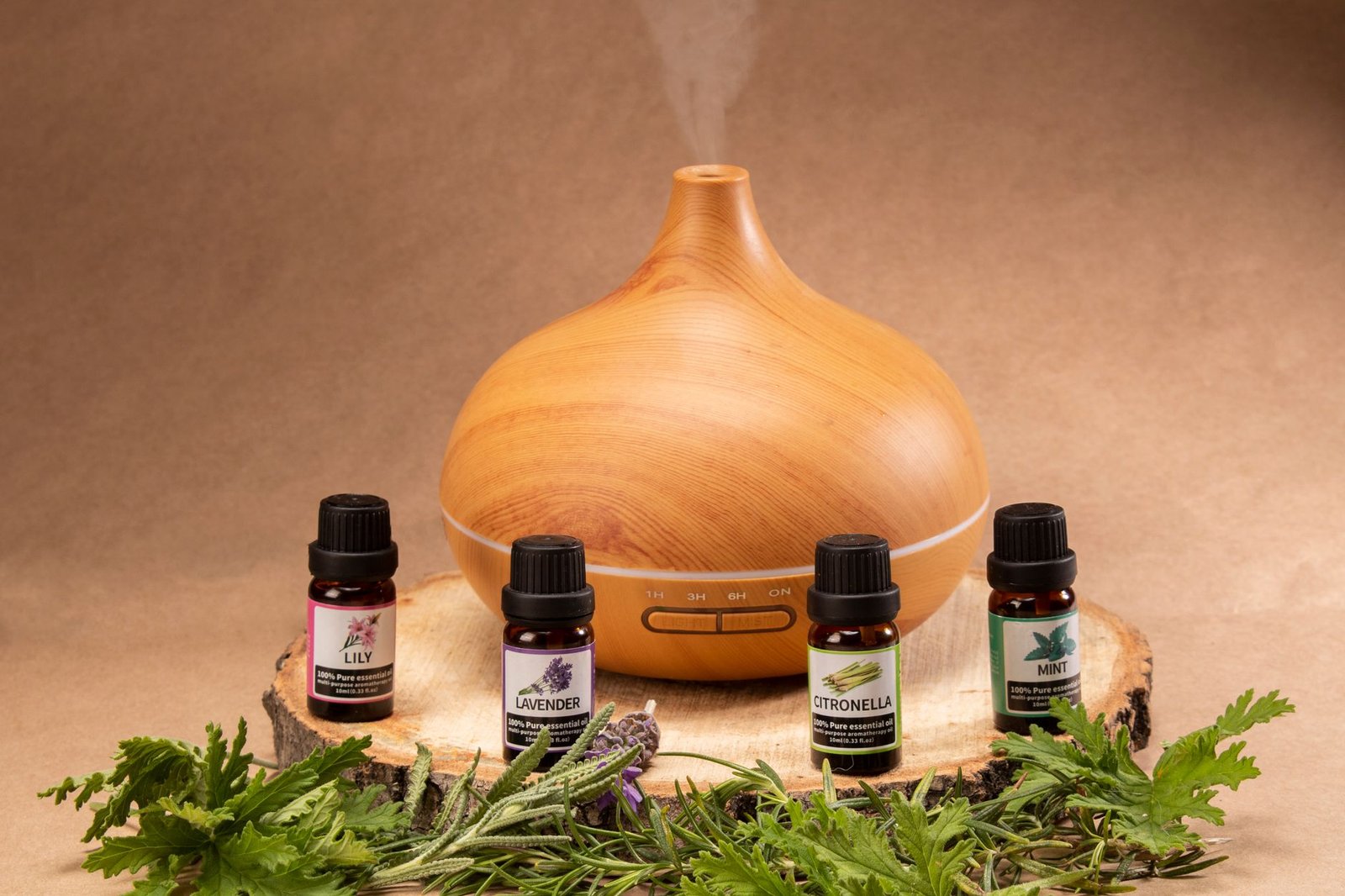
- Ultrasonic Vapor Technology: This popular method utilizes high-frequency vibrations to create a fine mist from water and essential oils, dispersing it into the air. Modern ultrasonic diffusers in 2026 are characterized by their whisper-quiet operation and sophisticated material compositions. Developments include bio-luminescent ceramic reservoirs, which offer aesthetic appeal and natural antimicrobial properties, reducing the need for frequent deep cleaning. Furthermore, integration with smart home ecosystems allows for humidity control alongside scent diffusion, creating a dual-benefit environmental conditioner. Energy efficiency has also seen significant improvements, with newer models consuming minimal power while offering extended operational cycles.
- Cold-Air Nebulizers: Representing the pinnacle of essential oil preservation and potency, cold-air nebulizers operate without water or heat. They employ an air pump to atomize pure essential oils into microscopic particles, releasing them directly into the atmosphere in their most concentrated form. This method is favored for therapeutic applications where the integrity of the essential oil’s chemical profile is paramount. For 2026, advancements focus on miniaturization and sound dampening, making these powerful units more discreet and less intrusive. Materials innovation includes medical-grade borosilicate glass for reservoirs, ensuring zero interaction with the essential oils and maintaining purity. Furthermore, a new generation of micro-piston pumps enhances efficiency and reduces noise levels to near imperceptibility, addressing a previous drawback.
Crafting Intelligent Scent Networks for 2026 Homes
The concept of a single diffuser serving an entire home is rapidly being replaced by intelligent, networked systems that allow for nuanced scent profiling across different zones. This personalized approach to aromatherapy is a hallmark of modern domestic comfort analysis.
Centralized vs. Zoned Diffusion
Contemporary home designs often incorporate either a centralized HVAC-integrated diffusion system or a zoned network of individual diffusers. Centralized systems, often utilizing cold-air nebulization technology, disperse scent throughout the entire property, ideal for creating a cohesive ambient aroma. However, zoned diffusion, where multiple diffusers are strategically placed and controlled independently, offers unparalleled flexibility. A homeowner might program invigorating citrus blends for morning routines in active areas and calming lavender in sleeping quarters for evening unwinding. The ability to tailor scents to specific functions and times of day maximizes therapeutic impact.
AI, IoT, and Smart Material Integration
The synergy between aromatherapy diffusion and smart home technology is a significant trend in 2026. Internet of Things (IoT) platforms now enable seamless control of diffusion networks via voice commands, mobile applications, or automated schedules. Artificial Intelligence (AI) algorithms are being deployed to learn resident preferences, adjusting scent intensity and type based on factors like time of day, external weather conditions, or even real-time air quality data from integrated sensors. For instance, if an indoor air quality sensor detects elevated particulate matter, the system might suggest a purifying essential oil blend.
Modern diffusers also benefit from smart material developments. Self-cleaning hydrophobic coatings within reservoirs reduce maintenance, while advanced polymer housings offer enhanced durability and aesthetic versatility, blending seamlessly with diverse interior designs. Materials like recycled, plant-based plastics are increasingly common, emphasizing sustainability.
Botanical Extracts and Formulation Trends
The efficacy of any diffusion network is ultimately dependent on the quality of the botanical extracts employed. The industry is witnessing a strong movement towards ethically sourced, organic, and highly potent essential oils. Transparency in sourcing and distillation processes is paramount, with consumers increasingly demanding verifiable origins. Bespoke blending services, often facilitated by AI-powered recommendation engines, allow residents to create truly personalized aromatic profiles. Beyond single-note oils, complex proprietary blends are formulated to address specific needs, such as cognitive enhancement, stress reduction, or immune support, reflecting a deeper scientific understanding of essential oil chemistry.
Calibrating the Domestic Atmosphere for Optimal Well-being
The goal of an aromatherapy diffusion network extends beyond pleasant smells; it is about cultivating an environment that actively supports health and enhances the quality of life for its occupants.
Health and Well-being Benefits
The deliberate dispersal of specific essential oils has quantifiable physiological and psychological benefits. For example, studies confirm the anxiolytic effects of bergamot and frankincense, while peppermint and lemon are associated with improved alertness and concentration. A well-calibrated scent network can therefore contribute to better sleep cycles, reduced stress levels, enhanced focus for remote work, and even a bolstered sense of security and comfort within the home. The resident experiences a subtle, continuous therapeutic intervention tailored to their daily rhythms.
Optimizing Diffusion Placement and Intensity
Effective scent distribution requires thoughtful placement. For zonal systems, diffusers should be positioned to maximize airflow without being directly in the path of strong drafts that could dissipate the scent too quickly. For larger rooms, multiple smaller units might be more effective than a single powerful one, ensuring even dispersal. Intensity calibration is crucial; the aim is a subtle presence, not an overwhelming one. Modern systems offer precise controls, allowing the user to fine-tune output based on room size, desired effect, and individual sensitivity. Automated intensity adjustments based on environmental factors are also becoming standard.
Maintenance, Sustainability, and Future Outlook
Ease of maintenance remains a critical factor for sustained adoption. Many 2026 diffusers feature modular designs for easy cleaning and automated self-cleaning cycles. Sustainability is also a key consideration; energy-efficient units and refillable, recyclable essential oil cartridges are preferred. The future of aromatherapy diffusion networks points towards even deeper integration with predictive analytics and biofeedback systems, where a resident’s physiological responses could autonomously trigger specific scent profiles. The evolution promises even more personalized, responsive, and health-enhancing domestic environments.