A deeply shaded garden often presents a unique challenge for the resident aiming to cultivate vibrant floral displays. However, a lack of direct sunlight does not preclude the possibility of a lush, colorful landscape. On the contrary, numerous flowering plants thrive in low-light conditions, transforming an otherwise dim area into a captivating haven. This article explores a selection of resilient and aesthetically pleasing options that are perfect for shaded garden zones in 2026, incorporating modern horticultural advancements and sustainable practices.
The Shady Garden Dilemma Transformed
For many homeowners, the presence of mature trees, tall structures, or specific architectural features results in garden areas receiving minimal direct sun exposure. Traditionally, this has been perceived as a limitation for flowering plants. Yet, the past few years have seen significant advancements in plant breeding and cultivation techniques, offering an expanded palette of flora perfectly suited for these environments. The focus for 2026 is on robust varieties that offer sustained bloom periods, require less maintenance, and contribute positively to local ecosystems.
Understanding Shade Types
Before selecting plants, it is crucial for the homeowner to identify the type of shade present:
- Full Shade: Areas receiving less than three hours of direct sunlight per day, often dappled or indirect throughout.
- Partial Shade/Part Sun: Areas receiving three to six hours of direct sunlight, typically in the morning or late afternoon.
- Dappled Shade: Filtered sunlight, often found under deciduous trees where light constantly shifts.
The plants highlighted below are predominantly suited for full to partial shade, offering versatility for various low-light scenarios.
The Top 7 Flowering Plants for Low-Light Gardens in 2026
1. Hosta (Plantain Lily)
While primarily admired for its diverse foliage, many Hosta varieties also produce elegant lavender or white flowers on tall scapes, often fragrant. New cultivars for 2026 boast improved disease resistance and even more striking variegated leaves. Hostas are incredibly versatile, thriving in deep shade and offering architectural interest. They pair beautifully with ferns and other shade lovers.
2. Astilbe (False Spirea)
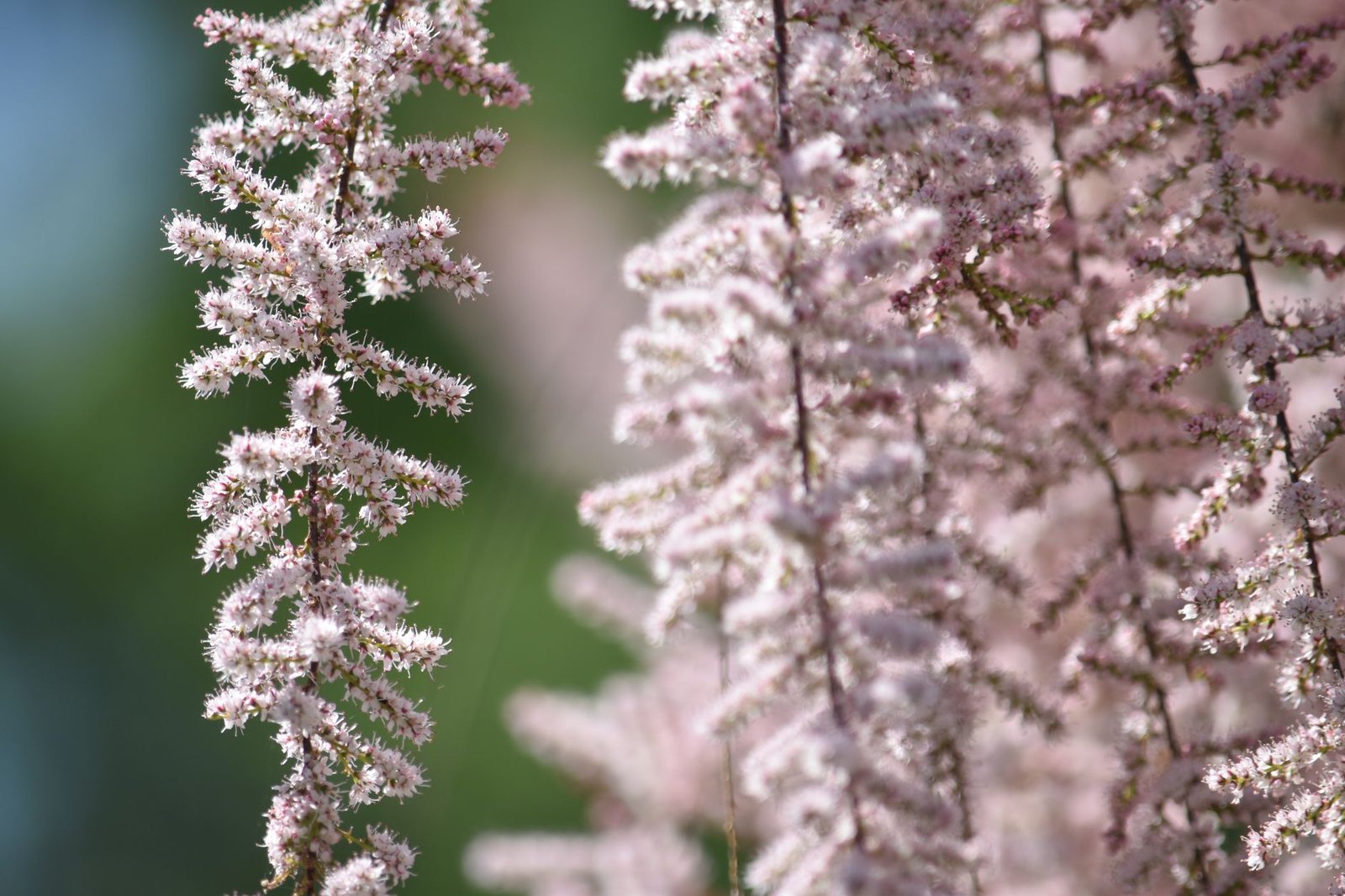
Known for its feathery plumes of red, pink, purple, or white flowers, Astilbe brings a delicate texture and vibrant color to shaded borders. These moisture-loving plants prefer consistent dampness and rich, organic soil. Modern breeding efforts have yielded varieties with extended bloom times and enhanced drought tolerance, making them more adaptable to varied garden conditions in 2026. The fine texture of their foliage adds year-round appeal.
3. Bleeding Heart (Dicentra spectabilis)
The iconic heart-shaped flowers of Dicentra spectabilis, typically in shades of pink or white, are a timeless favorite for early spring color in shaded areas. This plant provides dramatic visual impact with its arching stems and delicate blooms. While traditional varieties tend to go dormant in summer heat, newer hybrids like ‘Aurora’ and ‘Gold Heart’ offer greater heat tolerance and can maintain foliage longer, extending their ornamental value through 2026.
4. Impatiens (Busy Lizzie)
Once challenged by downy mildew, new disease-resistant Impatiens walleriana varieties, such as the ‘Beacon’ series and upcoming 2026 releases, have restored this plant’s position as a shade garden staple. Offering an unparalleled explosion of color in shades of red, pink, orange, purple, and white, Impatiens are perfect for containers, hanging baskets, and mass plantings in full to partial shade. Their continuous blooming habit ensures a cheerful display throughout the warmer months.
5. Tuberous Begonias
For large, showy blooms in a spectacular array of colors, Tuberous Begonias are an excellent choice for shaded patios and garden beds. They can produce flowers resembling roses, carnations, or camellias. Newer varieties for 2026 are bred for increased weather resistance and more vigorous growth, making them easier to cultivate for the average homeowner. They require well-draining soil and protection from strong winds.
6. Foxglove (Digitalis purpurea)
With their stately spires of bell-shaped flowers, Foxgloves add vertical interest and a touch of cottage garden charm to shaded areas. Available in purple, pink, white, and yellow, often with attractive speckles inside, they are biennial but readily self-seed, ensuring a continuous presence. Consider hybrid varieties for more consistent color and plant vigor in 2026. Note that all parts of the plant are poisonous if ingested.
7. Hydrangea (Specific Varieties)
While many Hydrangeas prefer some sun, several varieties, particularly Hydrangea macrophylla (Bigleaf Hydrangea) and Hydrangea quercifolia (Oakleaf Hydrangea), perform exceptionally well in partial to full shade, especially in warmer climates where they benefit from protection from intense afternoon sun. Oakleaf Hydrangeas also offer stunning fall foliage and exfoliating bark, providing year-round interest. For 2026, developments in smaller, re-blooming varieties like ‘Pia’ or ‘Let’s Dance’ series offer compact options suitable for smaller shaded spaces.
Modern Trends and Cultivation Techniques for Shady Spaces in 2026
Sustainable Soil Amendments
In 2026, the emphasis on sustainable gardening practices continues to grow. For shaded areas, enriching the soil with organic matter is paramount. Utilizing biochar-enhanced compost and slow-release organic fertilizers improves soil structure, water retention, and nutrient availability, creating an optimal environment for shade-loving plants. These amendments reduce the need for synthetic inputs and foster a healthier soil microbiome.
Biophilic Design Integration
Integrating shaded garden spaces with indoor living areas through biophilic design principles is a key trend. The aesthetic appeal and calming influence of lush, flowering shade gardens are being increasingly valued for enhancing domestic comfort. Thoughtful placement of containers with shade plants visible from interior windows or creation of tranquil outdoor seating areas under tree canopies connects the resident more deeply with nature.
Smart Watering Solutions
Precision irrigation systems are becoming more sophisticated and accessible in 2026. For shaded gardens, moisture meters linked to smart watering systems can prevent overwatering, a common issue for plants in low-light conditions where evaporation rates are lower. This not only conserves water but also prevents root rot and fungal diseases, ensuring plant health and resilience.
Innovative Container Gardening
For those with limited garden beds or challenging soil conditions in shaded areas, container gardening offers an excellent solution. Modern materials for pots in 2026 include lightweight, recycled plastics, biodegradable composites, and self-watering designs that enhance plant growth and reduce maintenance. Layering different shade plants in a single container can create stunning, portable displays that can be repositioned for optimal viewing or microclimate adaptation.
Creating a Harmonious Shade Garden
Designing a shade garden in 2026 goes beyond simply selecting appropriate plants. It involves creating a harmonious ecosystem where aesthetic appeal meets ecological function. By combining a diverse range of textures, foliage colors, and flower forms from the plants listed, the homeowner can craft a dynamic and visually stimulating landscape. Incorporating elements such as meandering pathways, reflective surfaces, and subtle lighting can further enhance the magic of these often-overlooked garden zones. With careful planning and an understanding of specific plant needs, even the deepest shade can become a vibrant, flourishing part of the domestic landscape.