
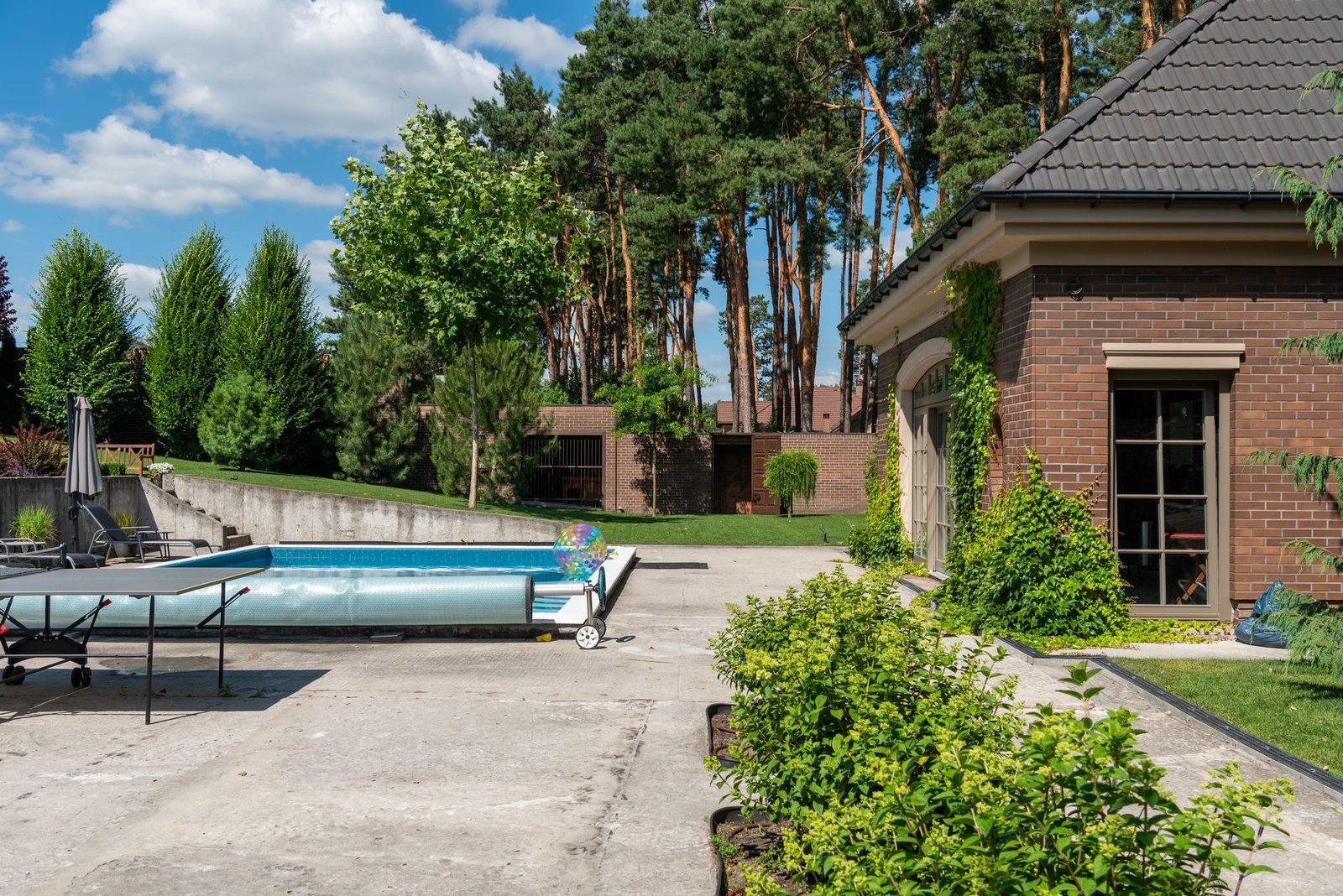
In 2026, the investment for a retractable privacy screen for a patio typically ranges from $250 for basic manual models to upwards of $4,000 for advanced, custom, motorized systems. Several critical factors influence this cost, including the screen’s size, material quality, operating mechanism, and the complexity of its installation. Understanding these variables is essential for any homeowner planning to enhance outdoor living spaces with adaptable privacy.
Factors Influencing Retractable Privacy Screen Costs in 2026
The total expenditure for a retractable privacy screen is a multifaceted calculation, driven by several key elements. These factors collectively determine the initial purchase price and any subsequent installation expenses.
Screen Size and Dimensions
- Standard Sizes: Screens manufactured in common dimensions are generally more economical, fitting typical patio or deck configurations without special adjustments.
- Custom Orders: Screens requiring specific widths, heights, or unusual shapes will incur higher costs due to specialized manufacturing processes. Larger screens naturally use more material and necessitate more robust internal mechanisms, further increasing the price point.
Material Quality and Durability
The fabric and frame materials are primary cost drivers, directly impacting the screen’s longevity, aesthetic appeal, and performance. In 2026, advancements offer improved resilience and a broader range of aesthetic choices.
- Fabric Types:
- Textilene and PVC-Coated Polyester: These are common choices for their robust UV resistance, effective fade prevention, and mildew inhibition. They offer excellent value and durability for most climates.
- Solution-Dyed Acrylic: A premium option known for its superior colorfastness, breathable qualities, and soft texture, often commanding a higher price point. This material provides exceptional long-term vibrancy.
- Recycled Synthetics and Bio-Based Textiles: Emerging as eco-friendly options in 2026, these materials provide comparable durability and performance to traditional synthetics with a reduced environmental footprint. Their specialized production processes can sometimes lead to a slight premium.
- Frame Materials:
- Powder-Coated Aluminum: Lightweight, inherently rust-resistant, and highly durable, representing a standard and widely utilized choice for its balance of strength and low maintenance.
- Stainless Steel: Offers superior strength and corrosion resistance, often employed for larger, heavy-duty installations or in environments exposed to harsh marine conditions.
- Galvanized Steel: A more economical option, though heavier and potentially less resistant to harsh environmental conditions over extended periods compared to aluminum or stainless steel.
Operating Mechanism
The method of retraction significantly influences both the convenience offered and the overall cost of the privacy screen system.
- Manual Systems:
- Spring-Loaded or Crank Handle: These are the most budget-friendly options, requiring physical effort to extend or retract the screen. They are ideal for smaller screens or where infrequent adjustment is anticipated.
- Motorized Systems:
- Remote Control: Offers enhanced convenience, allowing retraction with the push of a button, typically at a moderate price increase over manual systems.
- Smart Home Integration: Allows control via smartphone applications, voice commands, or automated schedules, often costing significantly more due to advanced technology and integration requirements with existing smart home ecosystems.
- Solar-Powered Motors: A growing trend in 2026, these systems reduce electrical wiring needs by utilizing integrated solar panels and battery storage. They come with an initial premium for the specialized components.
Brand, Features, and Customization
Established brands often carry a higher price tag but typically offer superior warranties, robust engineering, and dedicated customer support. Additional features such as integrated LED lighting, custom graphics, specialized wind sensors for automatic retraction, or integrated heating elements will also add to the overall cost, providing enhanced functionality and aesthetic appeal.
Types of Ret retractable Privacy Screens and Their Estimated 2026 Costs
The market offers various screen configurations, each suited to different needs, aesthetic preferences, and budgets.
Horizontal Side-Pull Screens
- Description: These screens extend horizontally from a wall or post, offering instant privacy and often wind protection for specific, smaller patio areas or as a partition.
- 2026 Cost Range: $250 – $800 for basic manual models; $700 – $1,500 for motorized versions with improved fabric quality.
Vertical Drop Screens
- Description: Commonly installed under pergolas, gazebos, or along open patio edges, these screens drop down vertically to block sun, wind, and provide privacy. They are highly effective for enclosing open-air structures.
- 2026 Cost Range: $400 – $1,200 for manual options; $1,000 – $3,000+ for motorized or smart home integrated systems, depending on size and features.
Awning-Style Retractable Screens
- Description: While primarily designed for sun protection, some awning-style systems incorporate integrated side screens for enhanced privacy. These offer a comprehensive overhead and lateral solution.
- 2026 Cost Range: $1,500 – $4,000+, depending on size, mechanism, fabric quality, and the sophistication of added privacy features.
Portable or Freestanding Screens
- Description: Offering maximum flexibility, these screens do not require permanent installation and can be moved as needed, making them ideal for renters or those who prefer adaptable configurations.
- 2026 Cost Range: $150 – $500, representing the most economical and versatile entry point for temporary privacy solutions.
Installation Considerations and Additional Costs
Beyond the screen’s purchase price, installation can significantly impact the final investment, requiring careful planning.
DIY Installation
For the handy homeowner equipped with the right tools and a foundational understanding of construction, self-installation can save $100 to $500+ in labor costs. However, it requires careful adherence to manufacturer instructions and often, assistance for handling larger components. Improper installation can void warranties, lead to operational issues, or even pose safety risks.
Professional Installation
Engaging a professional ensures correct mounting, precise alignment, and optimal functionality, particularly for motorized or complex systems. Professional installation typically costs between $200 and $700, though this can vary based on regional labor rates, the screen’s complexity, and the specific site conditions. For electrical wiring of motorized screens, a licensed electrician may be required, adding another $150 to $400 to the total project cost.
Site Preparation
Existing structures may require modifications to securely mount the screen. This could involve reinforcing mounting surfaces, ensuring structural integrity, or ensuring level ground for freestanding units, potentially incurring minor material or additional labor costs. Thorough assessment before purchase is advisable.
2026 Industry Trends and Material Innovations
The year 2026 sees continued evolution in outdoor living solutions, significantly impacting both product performance and cost efficiencies.
Advanced Smart Home Integration
The widespread adoption of smart home ecosystems means an increasing number of retractable screens are offering seamless integration. Features now commonly include scheduled operation, intuitive voice control, and sophisticated automation triggered by environmental sensors (e.g., automatic retraction during high winds or heavy rain), adding to user convenience but also to the product’s premium price point.
Sustainable and High-Performance Materials
A significant trend is the increasing use of recycled polymers and bio-based textiles that offer enhanced UV resistance, superior fade protection, and advanced anti-mildew properties. These materials not only contribute to environmental stewardship but also promise extended product life and reduced maintenance, often justifying their potentially higher initial cost.
Enhanced Durability and Weather Resistance
Manufacturers are investing heavily in materials designed to withstand increasingly extreme climates. This includes advanced ceramic-infused coatings for frames that resist salt air corrosion and extreme temperature fluctuations, alongside fabric weaves engineered for superior tear resistance and optimal breathability, crucial for both comfort and long-term durability.
Aesthetic Customization and Integrated Features
Beyond basic color palettes, 2026 offers broader aesthetic choices, including subtly textured fabrics, sophisticated custom patterns, and seamlessly integrated LED lighting options that enhance nighttime ambiance and functionality. These custom elements provide homeowners with greater personalization opportunities, often at an additional cost reflective of their bespoke nature.
Solar Power Advancements
Solar-powered retractable screens are becoming more efficient, reliable, and consequently, more affordable. Improved solar panel efficiencies and advanced battery storage capacities mean these systems can operate dependably without needing to tap into grid electricity, thereby reducing installation complexity and potentially lowering long-term energy costs for motorized units.
Maximizing Value and Longevity for Retractable Privacy Screens
To ensure the investment in a retractable privacy screen provides lasting satisfaction and optimal value, homeowners should consider several critical factors before and after purchase.
- Research and Compare Thoroughly: Investigate different brands, evaluate specific material specifications, and meticulously review warranty offerings for both fabric and mechanical components.
- Assess Local Climate Conditions: Choose materials and operating mechanisms specifically designed to withstand the local weather patterns, whether it involves intense sun exposure, high winds, heavy precipitation, or coastal salinity.
- Professional Measurement and Consultation: Accurate measurements are crucial for a proper fit, especially for custom installations. Consulting with a professional can help identify optimal screen types and mounting solutions for a specific space.
- Adhere to Regular Maintenance: Consistently follow manufacturer guidelines for cleaning and basic maintenance. This proactive approach can significantly extend the life of the screen fabric and its intricate operating mechanism.
- Review Warranty Terms: Understand the specifics of the warranty, including coverage duration and conditions for both the fabric and the mechanical components. A comprehensive warranty often reflects the manufacturer’s confidence in the product’s durability.
Investing in a retractable privacy screen in 2026 offers homeowners an effective and stylish way to enhance the functionality, comfort, and aesthetic appeal of their outdoor living areas. By carefully considering the various cost factors, leveraging modern material innovations, and choosing appropriate installation approaches, a suitable solution can be identified that meets both privacy needs and budgetary constraints for years to come.