
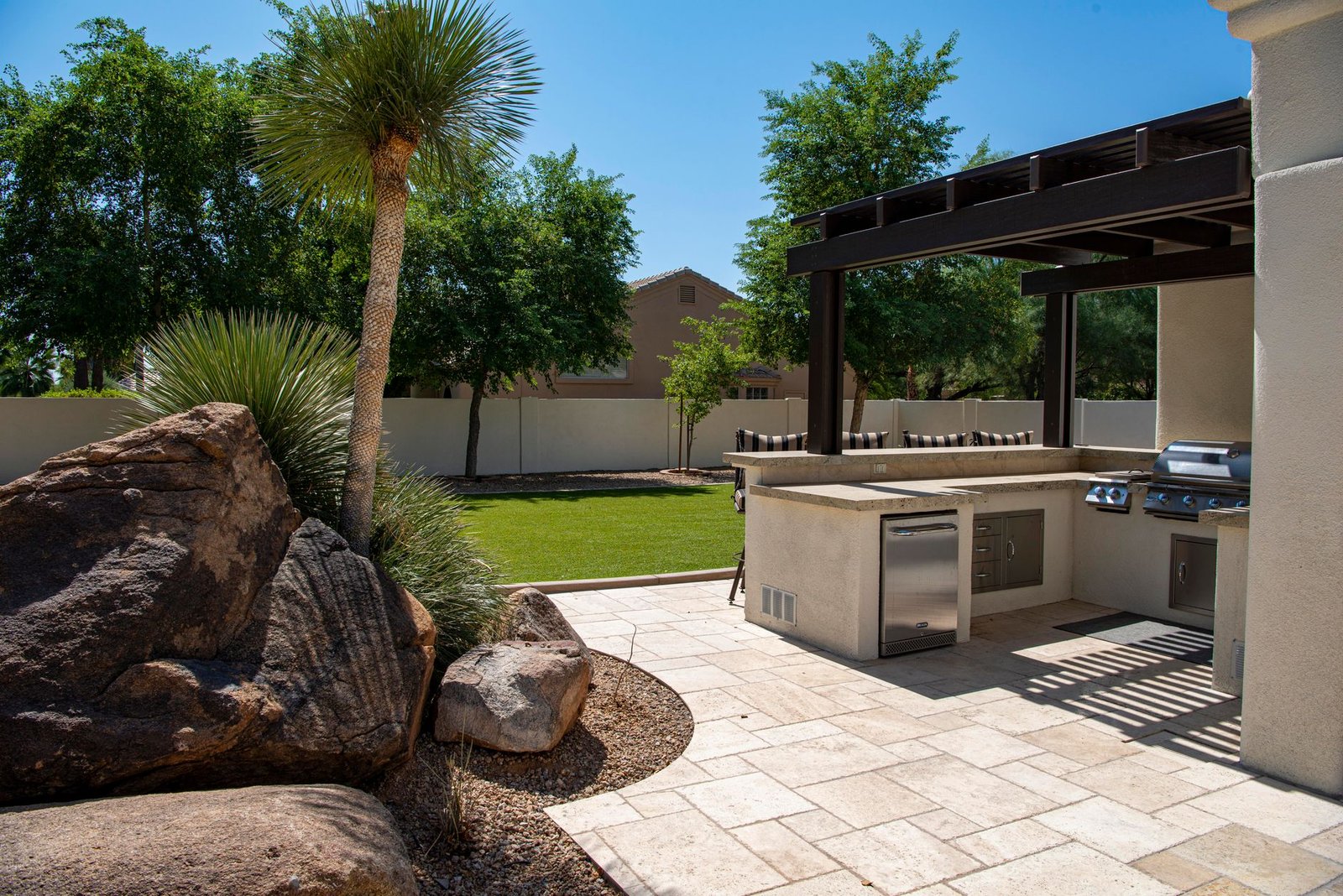
Planning for an outdoor kitchen in 2026 involves understanding a dynamic landscape of costs, materials, and technology. Typically, the investment for an outdoor kitchen in 2026 ranges from approximately $10,000 for a basic, functional setup to over $60,000 for a luxurious, fully-equipped culinary and entertainment hub. This wide range reflects significant variables such as design complexity, appliance choices, material selections, and the extent of utility installations required for the resident’s specific outdoor living vision.
Factors Influencing Outdoor Kitchen Costs in 2026
Several key elements contribute to the overall expenditure when constructing an outdoor kitchen. Understanding these components is crucial for accurate budgeting and project planning.
Design Complexity and Size
- Basic Setups: A simple, linear or L-shaped design accommodating essential grilling and prep space will naturally incur lower costs.
- Complex Layouts: Expansive U-shaped configurations, multi-level designs, or those integrated into larger outdoor structures like pergolas or cabanas demand more materials, labor, and intricate planning, elevating the total price.
- Footprint: Larger kitchens require more countertop space, cabinetry, and potentially more extensive utility runs, directly impacting material and installation costs.
Appliance Selection
Appliances are often the single largest variable cost. The current year, 2026, sees a strong push towards smart technology and energy efficiency in outdoor appliances.
- Grills: Ranging from standard gas grills ($500-$2,000) to high-performance, smart-enabled professional-grade units with infrared burners or rotisseries ($3,000-$10,000+). Integrated pellet grills and smokers are also gaining traction.
- Refrigeration: Outdoor-rated compact refrigerators ($800-$3,000), beverage centers, and ice makers ($1,000-$4,000) are essential for convenience.
- Specialty Appliances: Pizza ovens ($1,500-$10,000+), side burners, warming drawers, deep fryers, and outdoor dishwashers significantly add to the appliance budget.
- Smart Integration: Appliances with Wi-Fi connectivity, app control, and integration into existing smart home systems are becoming standard in mid-to-high end installations.
Material Choices for Cabinetry and Countertops
The durability and aesthetic of materials are paramount for outdoor longevity.
- Cabinetry: Options include marine-grade polymer ($150-$400 per linear foot), stainless steel ($200-$600 per linear foot), stucco or stone veneer over concrete board ($100-$350 per linear foot), and high-density polyethylene (HDPE) which offers excellent weather resistance.
- Countertops: Popular 2026 choices include durable natural stone like granite or quartzite ($60-$200 per square foot), engineered quartz with enhanced UV resistance ($50-$150 per square foot), and particularly sintered stone or porcelain slabs ($70-$250 per square foot) known for their extreme resilience to heat, cold, and scratching. Concrete countertops also remain a popular customizable option.
Labor and Installation
The cost of skilled labor for design, construction, and utility hookups can constitute 30-50% of the total project budget.
- Contractors: Experienced outdoor kitchen specialists ensure proper drainage, structural integrity, and adherence to local building codes.
- Plumbers and Electricians: Necessary for gas lines, water supply, sewage, and electrical outlets for appliances and lighting.
- Permits: Local regulations often require permits, adding a variable cost that typically ranges from a few hundred to over a thousand dollars, depending on the project’s scope.
Utility Installation
Extending utilities to the outdoor kitchen area is a critical, often underestimated, cost.
- Gas Lines: Essential for grills and burners, requiring trenching and professional installation.
- Water Lines and Drainage: For sinks and ice makers, necessitating both supply and waste lines.
- Electrical: Required for refrigerators, lighting, outlets, and smart appliances.
Cost Tiers: Basic, Mid-Range, and Luxury Installations
Outdoor kitchens can be categorized into distinct tiers based on their features and associated costs.
Basic Outdoor Kitchen (Approximately $10,000 – $25,000)
This tier focuses on functionality and affordability. It typically includes:
- A built-in gas grill.
- A small amount of counter space, often pre-fabricated.
- Limited cabinetry, usually polymer or basic stucco finish.
- A simple sink with cold water only.
- Basic lighting.
- Minimal utility extensions.
Materials are generally durable but not high-end, prioritizing practicality for the resident who enjoys casual outdoor cooking.
Mid-Range Outdoor Kitchen (Approximately $25,000 – $60,000)
This segment offers enhanced features, better aesthetics, and increased comfort.
- A high-quality built-in grill, possibly with a side burner or rotisserie.
- Ample natural stone or engineered countertop space.
- Outdoor-rated refrigerator and potentially an ice maker.
- More extensive cabinetry, often stainless steel or marine-grade polymer.
- A full-service sink with hot and cold water.
- Dedicated dining or bar seating area.
- Enhanced lighting and perhaps a basic sound system.
- More sophisticated utility installations.
The resident investing in this tier seeks a balance between robust functionality and attractive design for frequent entertaining.
Luxury Outdoor Kitchen (Approximately $60,000 – $150,000+)
These installations are bespoke, fully integrated culinary and entertainment spaces.
- Top-of-the-line professional-grade grill, often augmented with a pizza oven, power burners, or smokers.
- Premium natural stone or sintered stone countertops.
- Extensive custom outdoor cabinetry, often with sophisticated storage solutions.
- Full suite of appliances: refrigerator, freezer, ice maker, beverage center, warming drawers, outdoor dishwasher.
- Elaborate sink and faucet systems.
- Integrated smart home technology for lighting, climate control, and entertainment.
- High-end flooring, pergolas, fire features, and advanced landscaping.
- Complex utility infrastructure, often exceeding standard requirements.
This tier represents the ultimate outdoor culinary experience, designed for the discerning homeowner desiring a complete outdoor living extension.
Modern Trends and Material Developments for 2026
The outdoor kitchen industry in 2026 is driven by innovation, sustainability, and smart living.
Sustainable and Recycled Materials
There is a growing emphasis on eco-friendly options. Recycled plastics, composite decking materials made from reclaimed wood fibers, and sustainably sourced natural stones are increasingly popular. Manufacturers are also developing more energy-efficient appliances.
Smart Home Integration and Connectivity
Outdoor kitchens are becoming an integral part of the smart home ecosystem. This includes:
- App-Controlled Appliances: Grills that monitor internal temperatures and send alerts to a smartphone.
- Integrated Lighting and Sound: Systems controllable via voice commands or smart devices.
- Weather Monitoring: Sensors that can alert the homeowner to changing conditions and even retract awnings.
- Charging Stations: USB and wireless charging points integrated into countertops for convenience.
Modular Designs and Customization
The flexibility of modular components allows homeowners to configure and expand their outdoor kitchens over time. This trend supports personalization and adapts to evolving needs, making high-quality outdoor kitchens more accessible through phased installations.
Advanced Weatherproofing and Durability
Manufacturers are consistently improving the resilience of outdoor kitchen components. 316 marine-grade stainless steel is becoming a standard for appliances and cabinetry in coastal or harsh climates, offering superior corrosion resistance. New protective coatings and finishes for various materials ensure longevity and minimize maintenance.
Budgeting and Planning for an Outdoor Kitchen Project
To successfully navigate the costs of an outdoor kitchen in 2026, a meticulous planning approach is recommended.
- Define Needs and Desires: Clearly outline the primary use of the outdoor kitchen (e.g., occasional grilling, elaborate entertaining).
- Establish a Realistic Budget: Account for all potential costs, including permits, materials, appliances, utilities, and labor. It is wise to allocate an additional 10-15% for contingencies.
- Consult with Professionals: Engage experienced landscape architects, designers, and contractors early in the process. Their expertise can help optimize the design for both functionality and budget.
- Phased Approach: For those with budget constraints, consider building the outdoor kitchen in phases, starting with essential components and adding features later.
- Consider Return on Investment (ROI): A well-designed outdoor kitchen significantly enhances outdoor living and can add considerable value to a property, potentially yielding an ROI of 70% or more depending on regional markets and quality of installation.
Building an outdoor kitchen in 2026 is an investment in lifestyle and property value. By carefully considering the design, materials, appliances, and labor involved, the homeowner can create a functional and beautiful outdoor space tailored to specific needs and budget, ensuring years of enjoyment.