
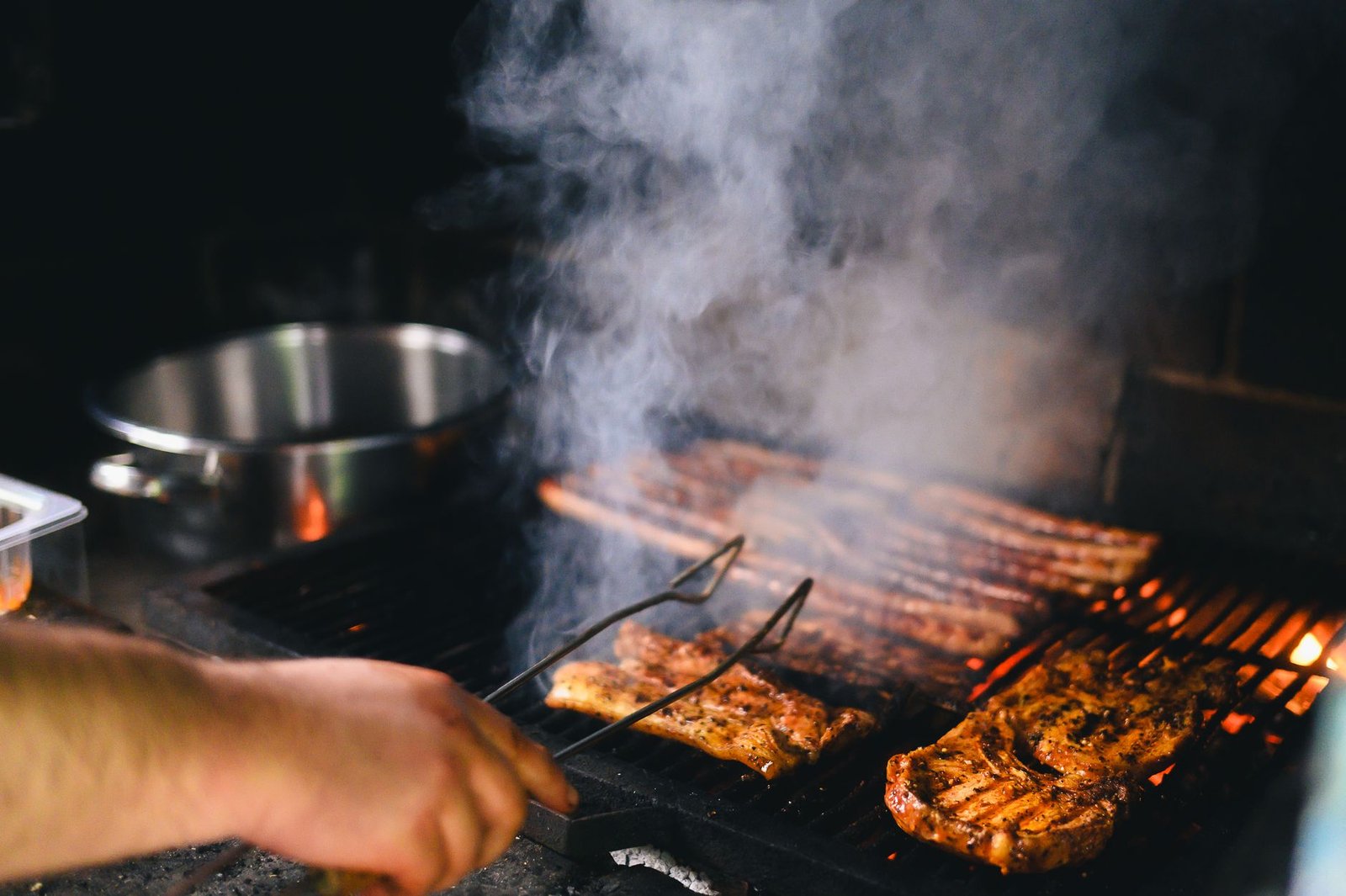
The modern outdoor living space has evolved into a sophisticated extension of the home’s interior, with the outdoor culinary station at its core. For 2026, the focus is on high-performance thermal grills combining advanced material science with cooking efficiency and seamless modularity. Selecting the optimal grill unit demands a discerning eye for quality, an understanding of thermal dynamics, and foresight into integrated design possibilities. This guide explores the critical factors defining premium outdoor grilling equipment: the integrity of stainless steel structural grades, the nuances of BTU heat distribution efficiency, and innovative modular accessory integrations.
The Foundation: Understanding Stainless Steel Structural Grades
The longevity and aesthetic appeal of any outdoor culinary station depend on its foundational materials. Robust construction is vital for diverse weather conditions. For 2026, homeowners prioritize specific stainless steel grades for superior resistance and durability.
Marine-Grade Durability: 304 vs. 316 Stainless Steel
304 stainless steel remains the industry benchmark. This chromium-nickel alloy provides excellent corrosion resistance, ensuring structural integrity and sleek appearance. It offers a balance of performance and cost-effectiveness.
For high-corrosive environments like coastal regions, 316 stainless steel is the premium choice. With molybdenum content, it offers significantly enhanced resistance to pitting and crevice corrosion. This superior grade is increasingly adopted in high-end 2026 outdoor kitchens, meeting demand for ultimate durability. The investment ensures pristine condition under harsh conditions.
Key consideration: The long-term aesthetic and functional integrity of the culinary station hinges on this material choice. An informed decision prevents premature wear and ensures lasting satisfaction.
Gauge and Construction
Beyond alloy type, gauge (thickness) of stainless steel components is paramount. Thicker gauge metal signifies higher quality, contributing to rigidity, warp resistance, and overall durability. Premium 2026 grills feature heavier gauge stainless steel in critical areas like the firebox and lid.
Assembly methods are also crucial. Fully welded seams, particularly in chassis and burner boxes, offer superior strength and a seamless finish. Welded units prevent moisture and grease ingress, extending lifespan and simplifying cleaning. Fully welded designs characterize high-performance outdoor grills.
The Core: BTU Heat Distribution and Efficiency
While ‘BTU’ is frequently cited, a higher number alone doesn’t guarantee superior cooking performance. A grill’s thermal capability lies in its ability to distribute heat evenly and efficiently across the cooking surface, converting raw BTUs into usable power.
Optimizing Thermal Output for Precision Cooking
Modern grill engineering, especially in 2026 models, focuses on intelligent burner design for uniform cooking, minimizing hot and cold spots. This precision allows the resident to achieve professional-grade results.
Infrared burner technology continues to evolve, offering intense, focused heat ideal for high-temperature searing and achieving a perfect crust. These burners heat objects directly, leading to faster cooking and superior moisture retention. Advanced grills often combine burner types for versatile cooking zones.
Heat flux (BTUs per square inch) is a more accurate metric than total BTUs. Higher heat flux indicates more intense heat delivery for searing and rapid temperature recovery. Homeowners should consider this for comprehensive performance understanding.
Energy Efficiency and Sustainability
Sustainability and efficiency are paramount in 2026 outdoor culinary equipment. Manufacturers implement sophisticated burner systems maximizing heat extraction, reducing fuel consumption without compromising performance. Innovations include optimized gas flow, engineered air mixers, and advanced flame tamers that protect burners while enhancing smoke flavor.
Enhanced insulation within the firebox also significantly aids heat retention. This improves efficiency in challenging climates and contributes to stable temperatures for low-and-slow cooking. Effective heat retention minimizes temperature fluctuations, leading to predictable and consistent results.
Key trend for 2026: Integrated smart controls represent a significant leap in efficiency and convenience. These systems use precise sensors for exact temperature management. Remote monitoring via mobile applications enables the homeowner to oversee cooking from afar, optimizing fuel use and ensuring culinary perfection. This blend of thermal engineering and smart technology defines next-generation high-performance grills.
The Ecosystem: Modular Accessory Integrations for 2026
The outdoor kitchen has matured into a fully integrated culinary ecosystem. Modular accessory integrations lead this evolution, allowing customization and expansion of cooking capabilities with unparalleled flexibility.
Seamless Customization and Expansion
Modular design empowers the resident to tailor their outdoor culinary station. Core grill units seamlessly integrate with specialized components:
- Side Burners/Power Burners: Essential for sauces, boiling, or high-heat wok cooking.
- Rotisserie Systems: Perfect for slow-roasting poultry or large cuts of meat.
- Smokers/Pizza Ovens: Dedicated units or modules allow for authentic wood-fired pizzas or low-and-slow smoking.
- Griddle Plates/Infrared Searing Stations: Offer specialized surfaces for breakfast items or restaurant-quality sears.
Integrated refrigeration and warming drawers maintain optimal food temperatures, enhancing entertaining and reducing trips indoors. These components elevate convenience and functionality.
Emerging in 2026: Unified control of smart accessories is a significant advancement. This includes app-controlled rotisseries, automated smoker pellet feeders, and intelligent temperature probes communicating with the main unit. This interconnectedness streamlines cooking and offers unprecedented control.
Smart Technology and Connectivity
The outdoor culinary station of 2026 is increasingly a connected appliance. Wi-Fi and Bluetooth enable remote monitoring and control, allowing temperature adjustments, timers, and alerts via mobile devices. Digital recipe integration simplifies complex preparations.
Premium models feature intuitive touchscreens and voice command integration, enhancing the user experience. Diagnostic reporting provides proactive maintenance alerts, ensuring system longevity and optimal performance.
Focus on future-proofing: Intelligent modular systems are designed for upgradeability. New modules and software updates integrate seamlessly, ensuring long-term relevance and value. This future-proofing protects the homeowner’s investment.
Aesthetic and Ergonomic Considerations
A holistic approach to outdoor kitchen design includes aesthetic integration and ergonomic functionality. Task lighting, ample storage, and efficient waste management systems create a clean, functional, and inviting space. Complementing counter materials ensure visual harmony with stainless steel and landscape architecture. Design prioritizes ease of use and visual appeal.
Creating an unparalleled outdoor culinary station requires informed choices regarding high-performance thermal grills. By meticulously evaluating stainless steel structural grades, understanding BTU heat distribution efficiency, and embracing modular accessory integrations, the homeowner can craft a bespoke outdoor kitchen. This space will be a testament to durability and a beacon of gastronomic innovation. The modern outdoor living space, powered by cutting-edge grill technology, stands ready to elevate entertaining and redefine domestic comfort.