
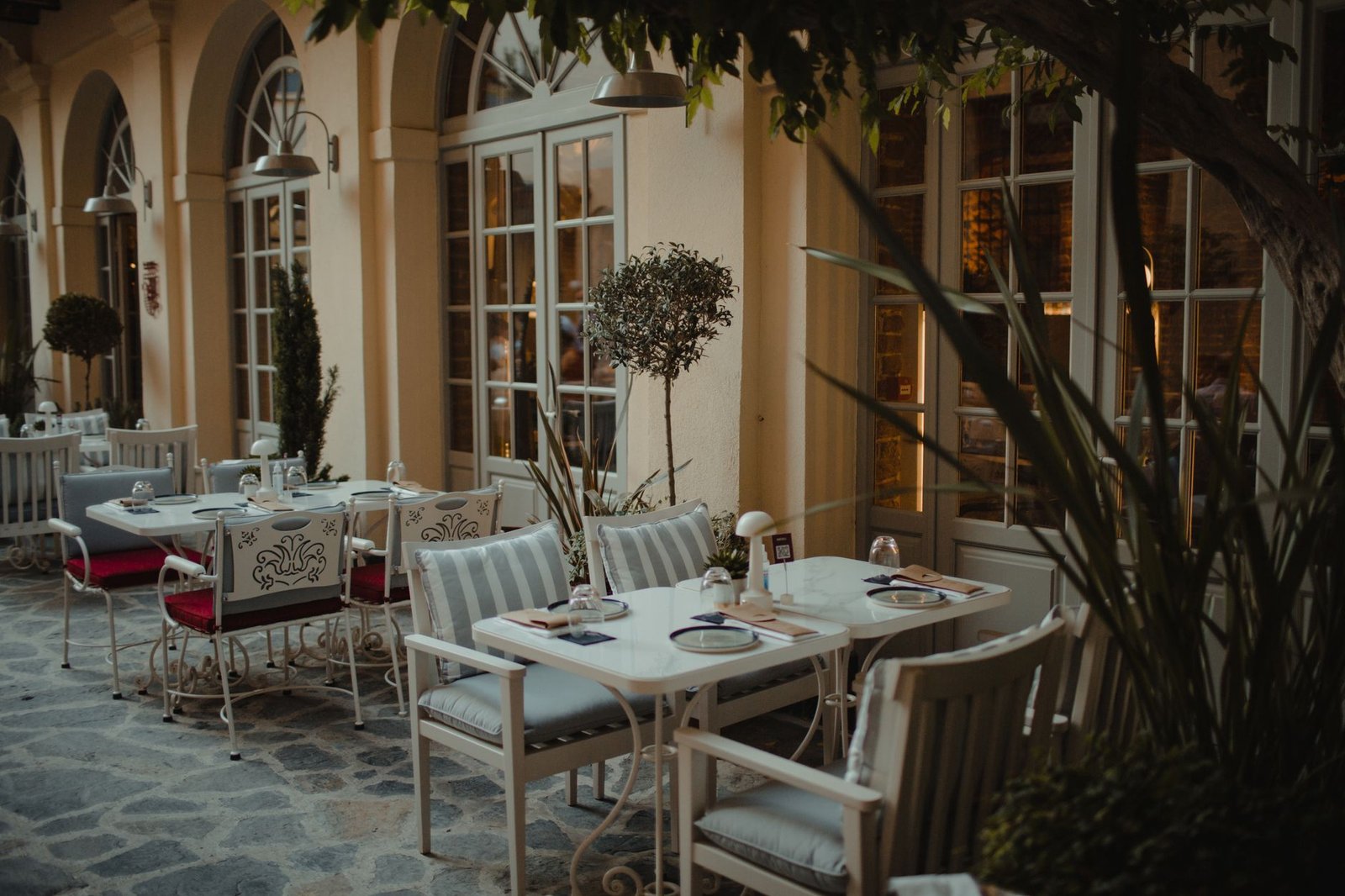
Creating an exceptional outdoor dining environment transcends mere aesthetics; it demands meticulous planning to ensure functionality, comfort, and seamless integration with the home’s overall design. As an extension of the indoor living space, the modern patio in 2026 is envisioned as a dynamic, resilient, and intelligent hub for culinary enjoyment and social gathering. This article outlines key architectural principles for structuring outdoor dining areas that prioritize spatial movement, effective shading, and durable material selections, incorporating contemporary trends and innovations.
Optimizing Spatial Flow for Seamless Experiences
Efficient spatial planning is the bedrock of a successful outdoor dining area. The layout must facilitate effortless movement for residents and guests, ensuring a comfortable and practical experience. A well-designed patio avoids bottlenecks and creates distinct yet harmonious zones.
Defining Zones and Pathways
The first step involves clearly delineating the dining zone from other outdoor functions, such as cooking areas, lounging spaces, or circulation paths. A minimum clearance of 36 to 48 inches around the dining table is recommended to allow chairs to be pulled out comfortably and for individuals to pass by without obstruction. Primary circulation pathways, leading from the indoor kitchen or main access points, should be at least 48 inches wide. Secondary pathways, such as those to a grill or a side garden, can be slightly narrower but should still offer comfortable passage.
Consideration must also be given to service routes. If the dining area is remote from the indoor kitchen, the path for carrying food and beverages should be direct and unobstructed. Integrating built-in serving stations or carts can reduce the need for constant trips indoors, enhancing the overall functionality of the space.
Ergonomic Layout and Accessibility
The placement of the dining table relative to the cooking station is critical. An ideal setup minimizes the distance between food preparation and serving, preventing spills and reducing effort. For larger patios, a dedicated prep counter adjacent to the grill can be invaluable. Furthermore, the design should accommodate diverse user needs, ensuring accessibility for all individuals. Smooth, level surfaces are essential, and any transitions between different zones should be gradual or ramped rather than stepped, where feasible.
Integrating Advanced Shade Solutions for Comfort
Protection from the elements, particularly sun and occasional rain, is paramount for outdoor dining comfort. Modern patio architecture offers a spectrum of sophisticated shade solutions, moving beyond basic umbrellas to integrated, intelligent systems.
Permanent and Semi-Permanent Structures
Pergolas remain a popular choice, evolving significantly for 2026. Contemporary pergolas often feature adjustable louvers, crafted from powder-coated aluminum or treated steel, which can be manually or remotely controlled to track the sun’s movement. Some advanced systems integrate sensors that automatically adjust louvers based on solar intensity or precipitation. Fixed awnings, either cantilevered from the home or standalone, offer robust, architectural shading, often designed with durable fabrics or solid panels that complement the home’s aesthetic.
For a more substantial solution, a fully integrated roof structure, perhaps with skylights or open sections, can provide comprehensive protection while maintaining an open-air feel. Materials like composite lumber or engineered wood offer both durability and design flexibility, resisting warping and weathering more effectively than traditional timber.
Flexible and Retractable Systems
For adaptable shade, cantilever umbrellas offer broad coverage without a central pole, maximizing dining space. High-quality models feature robust frames and UV-resistant, marine-grade fabrics, designed to withstand strong winds and intense sun. Retractable awnings, now frequently motorized and equipped with weather sensors, provide on-demand shade and can be retracted to enjoy open skies. Sail shades, while requiring careful anchoring, offer a sculptural element and highly customizable shade patterns, ideal for creating dynamic visual interest.
The trend for 2026 leans towards ‘smart shading’ – systems that integrate with home automation platforms, allowing residents to manage shade, lighting, and even misting systems from a smartphone or voice command, optimizing comfort throughout the day.
Selecting Durable Dining Surfaces and Furniture for Longevity
The demands placed on outdoor dining surfaces and furniture are significant, requiring materials that can withstand UV radiation, moisture, temperature fluctuations, and regular use. The emphasis for 2026 is on performance, sustainability, and low maintenance.
High-Performance Dining Surfaces
The material choice for dining surfaces profoundly impacts both durability and aesthetic. Sintered stone, such as Dekton or Neolith, is a leading option, prized for its extreme resistance to scratches, stains, UV rays, and thermal shock. Its non-porous nature makes it exceptionally hygienic and easy to clean. Compact laminate, a high-density, resin-infused material, also offers excellent weather resistance and a wide range of finishes. Reinforced concrete, often sealed for enhanced protection, provides a robust, industrial-chic aesthetic.
High-performance ceramics and large-format porcelain slabs are gaining traction for their aesthetic versatility, replicating natural stone or wood textures while offering superior durability and minimal maintenance. When selecting a surface, the resident should consider its ability to withstand prolonged sun exposure without fading, resistance to moisture and mildew, and ease of cleaning.
Ergonomic and Weather-Resistant Furniture
Outdoor dining furniture must combine comfort with resilience. Materials like powder-coated aluminum and stainless steel offer excellent corrosion resistance and strength, with modern designs favoring sleek, minimalist lines. Marine-grade polymers provide outstanding durability and are often made from recycled content, aligning with sustainability trends.
For cushions, solution-dyed acrylic fabrics (e.g., Sunbrella) are standard, known for their fade resistance and durability. Quick-dry foam inserts further enhance comfort and prevent mildew. Teak and other sustainably sourced hardwoods remain popular for their natural beauty and inherent weather resistance, though they require periodic maintenance. The trend for 2026 also includes modular furniture designs, allowing for flexible configurations to suit various gathering sizes and functions.
2026 Trends: Innovating Outdoor Dining Environments
The future of outdoor dining is shaped by technology, environmental consciousness, and a desire for seamlessly integrated living spaces.
Smart Integration and Connectivity
Outdoor dining areas are increasingly becoming ‘smart rooms’ without walls. This includes automated lighting systems that adjust to ambient light levels or time of day, integrated sound systems, and even discrete outdoor climate control with subtle heaters or misters. Wireless charging stations discreetly built into tabletops or side consoles are becoming common, catering to the digital needs of guests. Weather sensors can prompt automated shade retraction or heating activation, enhancing user comfort with minimal intervention.
Biophilic Design and Sustainability
The connection to nature is central to 2026 outdoor design. Biophilic elements, such as vertical gardens, living walls, and integrated planters with native flora, blur the lines between constructed and natural environments. Sustainable material choices are prioritized, including recycled aluminum, reclaimed wood, and innovative composites made from recycled plastics. Permeable pavers are utilized for patio surfaces to manage stormwater runoff, contributing to ecological balance. Energy-efficient LED lighting, often solar-powered, minimizes environmental impact.
Multi-Functional and Adaptable Spaces
Modern outdoor dining environments are designed for versatility. Furniture pieces that can serve multiple purposes—such as benches with integrated storage or tables that convert from dining to lounge height—maximize utility in compact spaces. Layouts are often planned to be easily reconfigured, allowing residents to host intimate dinners or larger gatherings with equal ease. The emphasis is on creating a flexible living extension that adapts to the evolving needs of the homeowner.
In conclusion, the thoughtful architectural structuring of outdoor dining environments is an investment in enhanced quality of life. By meticulously planning spatial flow, integrating advanced shading, and selecting high-performance materials while embracing 2026’s smart and sustainable trends, a truly functional, comfortable, and enduring outdoor haven can be created for any resident.