When selecting an outdoor rug for a patio or deck in 2026, the primary concern for many homeowners is undoubtedly its ability to withstand diverse weather conditions. In this critical comparison, polypropylene rugs generally offer superior weather resistance compared to jute for outdoor use, particularly with the advanced material formulations available today. Jute, while possessing distinct aesthetic merits, is inherently less suited for prolonged exposure to the elements. This comprehensive article will delve into the specific attributes of each material, examining their durability, weather resistance, and maintenance requirements to assist the homeowner in selecting the optimal outdoor rug for their specific environment.
Understanding Outdoor Rug Materials: Polypropylene in 2026
Polypropylene, a synthetic thermoplastic polymer, has long been a staple in outdoor textile manufacturing due to its inherent resilience. By 2026, material science has further refined polypropylene, enhancing its performance characteristics to meet contemporary demands for both durability and aesthetic appeal.
Key Characteristics of Polypropylene Rugs
- Synthetic Composition: Manufactured from plastic fibers, offering predictable performance.
- Hydrophobic Nature: Naturally repels water, preventing absorption and subsequent mildew growth.
- Colorfastness: Pigments are often solution-dyed, meaning color is integrated into the fiber itself, leading to excellent fade resistance.
- Versatility: Available in a vast array of weaves, textures, and patterns, some now expertly mimicking natural fibers.
Durability & Longevity of Polypropylene
Polypropylene rugs are renowned for their robust nature, making them highly suitable for high-traffic outdoor areas. They resist abrasion, crushing, and general wear-and-tear effectively. Modern polypropylene formulations incorporate advanced stabilizers that significantly extend their lifespan in outdoor settings, ensuring the rug maintains its structural integrity and appearance over several seasons. This resilience translates to a longer service life, making it a cost-effective choice in the long run for many outdoor applications.
2026 Advancements in Polypropylene Technology
Current industry trends for 2026 highlight significant strides in polypropylene development. Enhanced UV stabilizers are now standard, providing even greater protection against sun degradation and color fading. Advanced weaving techniques allow for softer textures and improved drape, addressing previous concerns about the material’s perceived ‘plastic’ feel. Furthermore, the industry has made considerable progress in sustainability, with many manufacturers integrating post-consumer recycled (PCR) polypropylene content and implementing closed-loop manufacturing processes, reducing the environmental footprint of these durable outdoor solutions.
Understanding Outdoor Rug Materials: Jute in 2026
Jute, a natural fiber derived from the Corchorus plant, offers a distinct, earthy aesthetic that is highly sought after for its organic appeal. While celebrated for its sustainability as a renewable resource, its inherent characteristics present specific challenges for outdoor applications.
Key Characteristics of Jute Rugs
- Natural Fiber: Composed of cellulose and lignin, biodegradable and renewable.
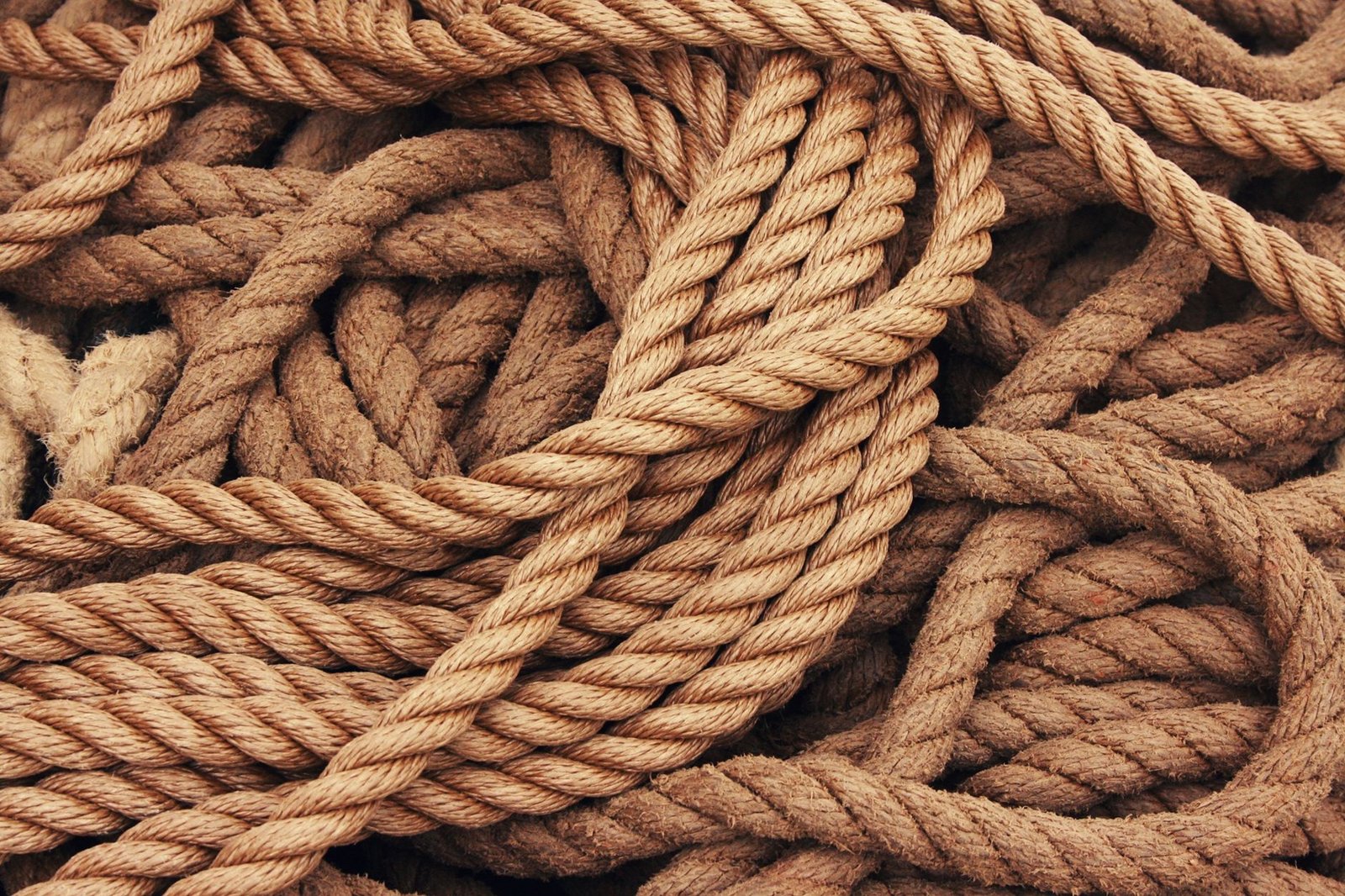
- Texture & Appearance: Offers a coarse, rustic texture and natural, often variegated, golden-brown hues.
- Breathability: Allows air circulation, which can be beneficial in certain dry indoor or very sheltered outdoor settings.
- Eco-Friendly Sourcing: Generally considered a sustainable crop with a low environmental impact during cultivation.
Durability & Longevity of Jute
In dry conditions, jute fibers possess considerable strength and can withstand moderate foot traffic. However, its natural composition is highly susceptible to moisture. Prolonged exposure to humidity or direct precipitation significantly compromises its structural integrity, leading to rapid degradation. This makes its longevity in exposed outdoor environments notably shorter than that of synthetic alternatives.
2026 Considerations for Jute Rugs
While some jute rugs in 2026 may feature mild stain-resistant or water-repellent treatments, these are typically surface-level applications and do not fundamentally alter the fiber’s vulnerability to saturation. The core limitation of jute against prolonged wetness remains. Its appeal is largely reserved for covered, low-humidity spaces where its natural beauty can be enjoyed without the risk of mildew, rot, or discoloration that direct weather exposure precipitates.
Direct Comparison: Durability, Weather Resistance, and Maintenance
A detailed examination of how these two materials perform across critical parameters is essential for an informed decision.
Weather Resistance Deep Dive
- Polypropylene: Exhibits excellent weather resistance. Its hydrophobic nature means it does not absorb water, preventing mildew and rot. Enhanced UV stabilization, especially in 2026 formulations, ensures it withstands intense sunlight without significant fading or material breakdown. Ideal for fully exposed patios, decks, and poolside areas.
- Jute: Possesses poor weather resistance. As a highly absorbent natural fiber, jute will readily soak up moisture from rain, humidity, or dew. This absorption leads to discoloration, fiber rot, mildew growth, and a breakdown of the rug’s structure. It is strictly not recommended for areas prone to wetness or high humidity.
Durability & Lifespan
- Polypropylene: Offers high durability. It resists heavy foot traffic, is less prone to shedding, and maintains its appearance well over time. An outdoor polypropylene rug can typically last 3-5 years or more, even with consistent outdoor exposure, given proper care.
- Jute: Provides moderate to low durability for outdoor use. While strong in dry conditions, its lifespan is drastically shortened by exposure to moisture and UV rays. In an unsheltered outdoor environment, a jute rug may degrade within a single season, losing its aesthetic appeal and structural integrity rapidly.
Maintenance Requirements
- Polypropylene: Easy to maintain. The rug can typically be hosed down, scrubbed with mild soap and water for dirt or spills, and then air-dried. Its non-absorbent nature means it dries quickly, minimizing the risk of mildew.
- Jute: Difficult to maintain for outdoor use. Spot cleaning with a dry cloth is recommended for spills. Excessive moisture must be avoided at all costs. If it becomes wet, it requires thorough and rapid drying to prevent mildew and rot, which is challenging in an outdoor setting. Professional dry cleaning is often necessary for deeper stains.
Aesthetic Appeal & Comfort
- Polypropylene: Offers a wide range of aesthetic options, from vibrant colors and intricate patterns to textures that convincingly mimic natural fibers like sisal or wool. Modern advancements have also improved its underfoot feel, making it softer and more comfortable than older generations of synthetic rugs.
- Jute: Provides a distinct natural, earthy, and organic aesthetic. Its coarse, textured feel adds warmth and a relaxed, bohemian vibe to a space. However, its texture can be rough underfoot for some individuals, and its color palette is typically limited to natural tones.
Environmental Footprint
- Polypropylene: Traditionally, synthetic materials have faced criticism for their environmental impact. However, 2026 sees significant progress in the industry, with a greater emphasis on manufacturing with recycled content, improving recyclability programs, and reducing energy consumption in production processes. This makes modern polypropylene a more sustainable choice than previous iterations.
- Jute: As a natural, biodegradable, and renewable resource, jute generally boasts a favorable environmental footprint in terms of raw material production. Its environmental benefit, however, is diminished if its short outdoor lifespan necessitates frequent replacement, thereby increasing consumption and waste over time.
Industry Trends and Modern Material Developments for 2026
The outdoor living sector in 2026 is heavily influenced by sustainability and enhanced performance. For polypropylene, the focus is on developing advanced recycling programs and increasing the percentage of high-quality post-consumer recycled content without compromising durability. There is also emerging research into bio-based polypropylenes, aiming to reduce reliance on fossil fuels. For natural fibers like jute, the trend involves exploring blends with synthetic, more resilient materials to create hybrid rugs suitable for semi-sheltered outdoor use, though pure jute’s outdoor vulnerability remains. Furthermore, sophisticated hydrophobic coatings are becoming more prevalent across textile innovations, offering enhanced stain and water repellency even for natural-fiber blends, though direct saturation remains a challenge for materials like jute. Digital printing technology continues to advance, allowing for incredibly intricate and UV-stable designs on synthetic outdoor rugs, pushing the boundaries of outdoor décor.
Making the Informed Choice for Outdoor Spaces
The decision between polypropylene and jute for an outdoor rug hinges critically on the specific conditions of the intended placement. For outdoor areas fully exposed to the elements such as rain, direct sunlight, or potential snow, polypropylene is the unequivocally superior choice. Its inherent weather resistance, durability, and ease of maintenance ensure longevity and sustained aesthetic appeal in such demanding environments.
Conversely, if the resident desires the natural texture and organic feel of jute, its placement must be strictly limited to very well-sheltered outdoor areas, such as a fully covered porch, a screened-in lanai, or a sunroom, where direct moisture exposure is minimal or nonexistent. Even in these settings, vigilance against high humidity and rapid drying if any moisture occurs is paramount. The homeowner must weigh the desired aesthetic against the practical demands of the climate and the rug’s exposure to ensure satisfaction and product longevity.