
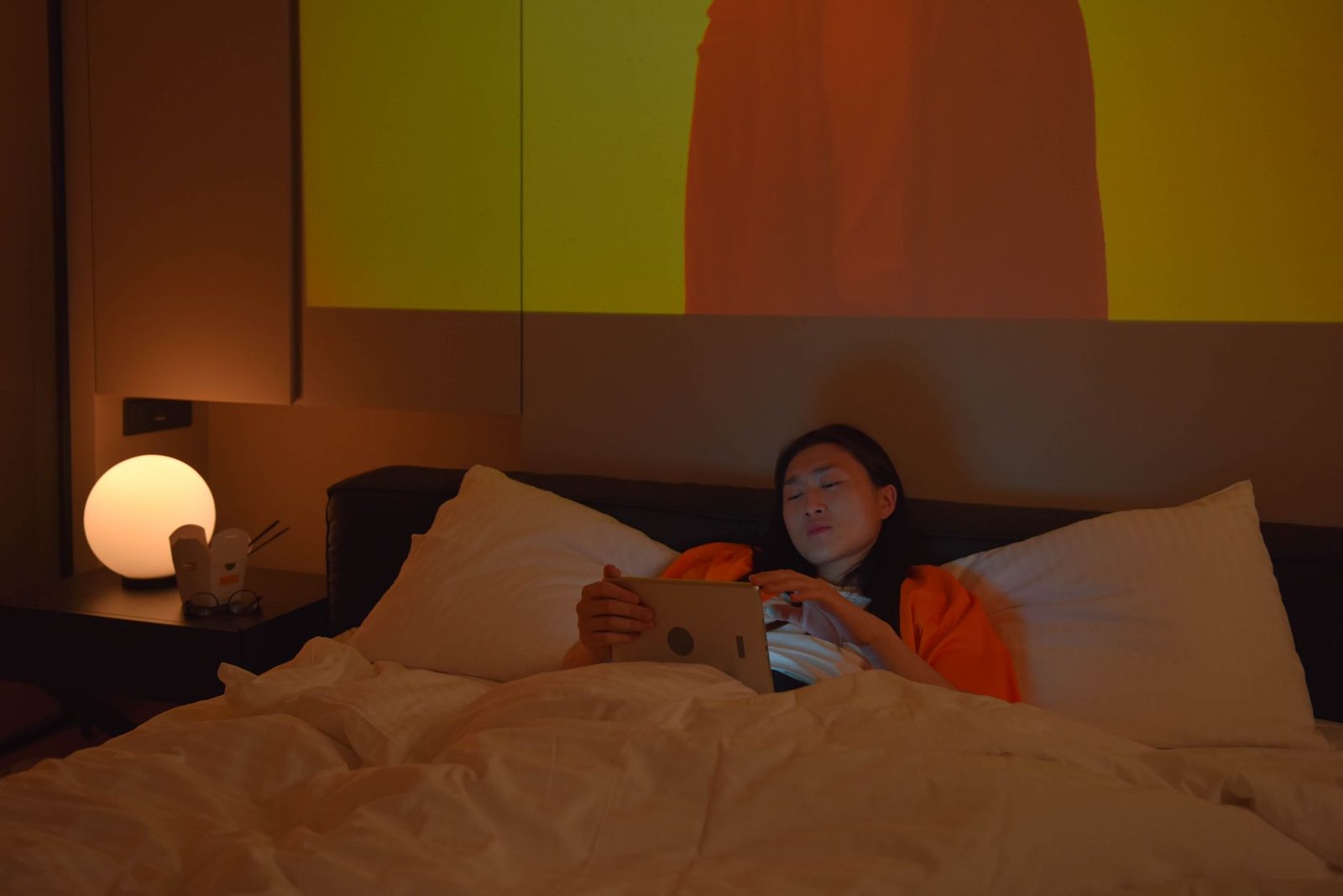
Persistent exposure to digital screens before sleep can significantly disrupt the body’s natural circadian rhythm, making quality rest elusive. For residents seeking to reclaim their evenings and achieve restorative sleep, transforming the bedroom into a sanctuary free from digital distractions is paramount. This article outlines seven practical strategies and design considerations, incorporating modern trends and materials from 2026, to cultivate an environment optimized for tranquility and deep, uninterrupted sleep.
Understanding the Digital Dilemma
The ubiquity of smartphones, tablets, and smart devices has blurred the lines between work, entertainment, and personal downtime. While these tools offer undeniable convenience, their presence in the bedroom, particularly in the hours leading up to sleep, can be detrimental. The blue light emitted by screens suppresses melatonin production, a crucial hormone for sleep regulation, while the constant stream of information stimulates the brain, hindering its ability to wind down. Establishing clear boundaries for technology usage within the sleep space is not merely a lifestyle choice but a fundamental aspect of holistic well-being.
The 7 Pillars of a Digital-Free Sleep Haven
1. Strategic Device Relocation & Charging Hubs
The first step in creating a digital-free zone involves removing all non-essential electronic devices from the bedroom. This means telephones, tablets, and laptops should find a home in another room, ideally a dedicated charging station. For devices that must remain nearby for emergencies (such as a medical alert system), a designated, aesthetically pleasing, and out-of-sight charging drawer or cabinet equipped with USB-C and wireless charging pads (compliant with 2026 standards) can be integrated into custom millwork or a bedside table. This ensures devices are powered up for the day ahead without being a visual or mental distraction during the night.
2. Embrace Analog Alternatives
Replacing digital tools with their analog counterparts is a powerful way to reduce screen time. Instead of a phone alarm, the homeowner can opt for a stylish, quiet analog alarm clock, perhaps one with a gentle sunrise simulation feature that mimics natural dawn. For nighttime reading, traditional paper books or e-readers specifically designed without blue light emission are ideal substitutes for tablets. A physical notepad and pen can replace digital note-taking apps for capturing late-night thoughts, offering a tangible and calming way to process ideas without digital stimulation.
3. Mastering Light Control & Ambiance
Effective light management is critical for sleep. Investing in advanced blackout solutions, such as automated layered drapery or smart blackout blinds, ensures complete darkness, crucial for melatonin production. These systems, prevalent in 2026, can be programmed to close at dusk and open gently at dawn. Beyond darkness, consider ambient lighting. Warm-toned, low-wattage lighting with dimmable controls can create a relaxing atmosphere. Smart bulbs that shift to amber tones in the evening or specialized red-light therapy lamps are also gaining traction for their sleep-promoting qualities, allowing residents to craft a precise pre-sleep light environment.
4. Materiality for Serenity
The textures and materials within the bedroom profoundly impact comfort and mood. In 2026, there is a strong emphasis on sustainable, natural, and tactile materials. Luxurious bedding made from organic cotton, linen, or Tencel provides breathability and softness. Acoustic wall panels crafted from recycled PET felt or cork can absorb sound, enhancing tranquility. Carpeting made from natural fibers like wool or sustainable synthetics adds warmth and dampens noise underfoot. Furniture featuring soft curves and natural wood finishes, perhaps treated with low-VOC sealants, contributes to a calming aesthetic, minimizing harsh lines and promoting a sense of ease.
5. Soundscaping for Tranquility
Minimizing unwanted noise is essential for uninterrupted sleep. Beyond acoustic paneling, consider investing in a high-quality white noise machine or a sophisticated sound conditioner that masks external disturbances with soothing natural sounds or calming frequencies. For urban environments, double-paned windows or even triple glazing with enhanced soundproofing technology are worthwhile investments. For those who prefer complete silence, earplugs crafted from advanced, comfortable materials can be a simple yet effective solution. The goal is to create a consistent and calming auditory environment.
6. Sensory Integration & Aromatherapy
Engaging other senses can profoundly enhance relaxation. Introducing calming scents through natural essential oil diffusers (using blends like lavender, chamomile, or sandalwood) can signal the body it is time to wind down. Avoid synthetic fragrances that may contain irritants. Tactile elements such as a weighted blanket, known for its calming deep pressure stimulation, or soft, plush rugs underfoot add a layer of comfort. Incorporating biophilic design elements, such as a carefully selected potted plant (e.g., snake plant, peace lily) known for air purification and visual tranquility, can also connect the resident with nature, promoting a sense of peace.
7. Decluttering & Intentional Design
A cluttered bedroom can lead to a cluttered mind, making relaxation difficult. Embracing a minimalist approach, where every item has a purpose and a place, is crucial. Utilize hidden storage solutions, such as under-bed drawers or built-in wardrobes, to keep surfaces clear. The design aesthetic should be clean, calming, and uncluttered. Focus on a soothing color palette with muted tones and natural hues. Each piece of furniture and decor should be intentionally chosen to contribute to a serene and uncluttered atmosphere, allowing the resident to enter the space and feel an immediate sense of calm and order.
By implementing these seven strategies, the homeowner can effectively mitigate the impact of screen time and transform their bedroom into a genuine haven for rest and rejuvenation. The integration of modern materials and smart, intentional design choices from 2026 ensures that this sanctuary is not only conducive to sleep but also a reflection of contemporary wellness principles, promoting a deeper, more restorative connection with personal well-being.