
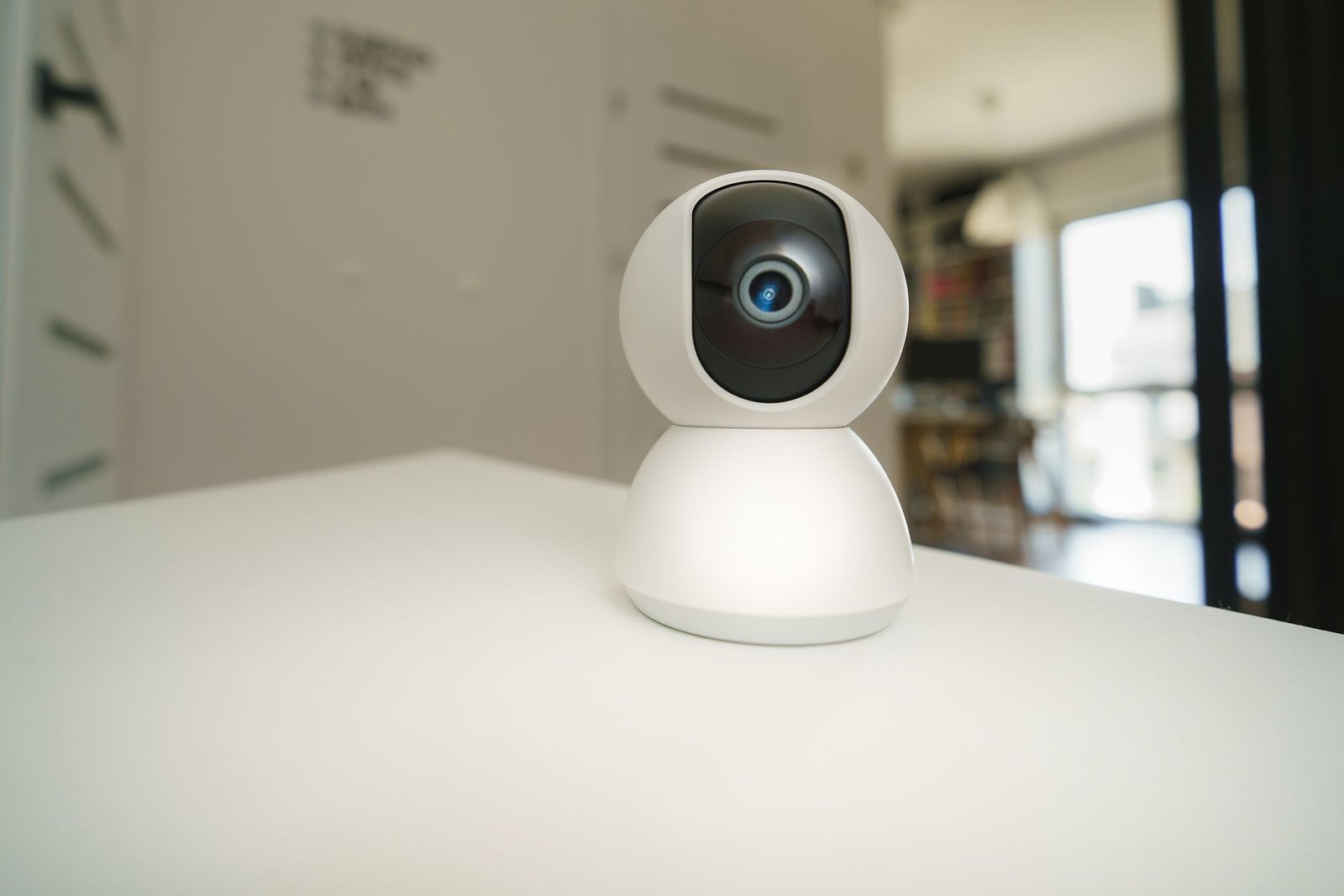
In 2026, the question of which home security system provides superior protection for a residence — smart security cameras or traditional surveillance systems — finds its answer predominantly in favor of smart security cameras. These advanced systems offer a more comprehensive, adaptable, and proactive approach to safeguarding property, largely owing to their sophisticated AI capabilities, seamless integration with other smart home technologies, and user-centric features. While traditional surveillance still holds a place for certain niche applications, modern smart solutions have evolved to deliver unparalleled peace of mind and operational efficiency for the contemporary homeowner.
Evolution of Home Security: Traditional vs. Smart Paradigms
The landscape of home security has undergone a significant transformation, moving from rudimentary systems to highly intelligent, interconnected networks. Understanding this evolution is crucial for any resident evaluating their security needs in 2026.
Traditional Surveillance Systems
Historically, traditional surveillance systems relied on wired infrastructure, connecting analog or early digital cameras to a Digital Video Recorder (DVR) or Network Video Recorder (NVR). These systems are characterized by:
- Closed-Circuit Operation: Often designed as standalone networks, limiting external access and integration.
- Wired Reliability: Direct cable connections reduce susceptibility to wireless interference.
- Continuous Recording: DVR/NVR units typically record footage 24/7 to local hard drives.
- Reactive Monitoring: Primarily focused on recording events for later review, with limited real-time alerts.
While robust and reliable in their core function, traditional systems often require professional installation due to extensive cabling requirements and offer less flexibility in terms of remote access or intelligent event detection.
Smart Security Camera Systems
Smart security cameras represent the vanguard of home protection. Leveraging advanced digital technologies, these systems integrate deeply into the smart home ecosystem, offering capabilities far beyond simple video capture:
- IP-Based Connectivity: Utilizes Wi-Fi 6E, 5G cellular, or Power over Ethernet (PoE) for flexible placement and robust data transfer.
- Cloud & Edge AI Processing: Advanced artificial intelligence enables on-device analysis (edge computing) and cloud-based deep learning, reducing false alarms and enhancing detection accuracy.
- Seamless Integration: Compatibility with Matter, Z-Wave, and Zigbee protocols allows interaction with smart lighting, door locks, thermostats, and voice assistants.
- Proactive Deterrence: Features like two-way audio, automated siren activation, and integrated smart lighting can deter intruders in real-time.
The shift to smart systems emphasizes intelligent monitoring, remote control, and a more adaptive, holistic approach to home security.
Key Features and Functionality in 2026
The capabilities separating smart cameras from traditional systems have widened significantly by 2026, particularly in features driven by AI and material science advancements.
Smart Security Cameras: The 2026 Edge
- AI-Powered Analytics: Beyond simple motion detection, these systems now offer hyper-accurate person, vehicle, and pet differentiation. Advanced algorithms can detect unusual loitering, package deliveries/thefts, and even predict potential intrusions based on learned patterns of behavior.
- High-Resolution Imaging & Optics: 4K and 8K sensors are standard, often augmented with thermal imaging for superior performance in complete darkness or adverse weather conditions like fog. Lenses frequently incorporate self-healing polymer coatings for scratch resistance and improved longevity, maintaining pristine visual clarity.
- Connectivity & Redundancy: Wi-Fi 6E provides ultra-low latency and higher bandwidth, essential for multiple 4K streams. For critical areas, 5G cellular backup ensures continued operation during power or internet outages. Mesh network integration guarantees comprehensive coverage across larger properties.
- Biometric Authentication: Advanced systems can incorporate facial recognition for authorized entry and alert the resident to unfamiliar individuals.
- Integrated Environmental Monitoring: Some units now include sensors for air quality, temperature, and humidity, adding another layer of domestic comfort analysis alongside security.
- Sustainable Design: Many outdoor smart cameras now feature integrated solar charging panels and are constructed from durable, weather-resistant recycled composite materials with IP68 ratings, reducing their environmental footprint and maintenance needs.
Traditional Surveillance: Core Capabilities
- Continuous Local Recording: Still a strong point for users prioritizing continuous, non-cloud-dependent recording.
- Robust Wiring: Less susceptible to hacking or signal interference than wireless options, provided the physical cables are secure.
- Basic Remote Viewing: Many modern DVR/NVR systems offer app-based remote viewing, though often with less intuitive interfaces and limited interactive features compared to smart cameras.
Installation, Cost, and Maintenance Considerations
Deciding between systems also involves practicalities concerning setup, financial outlay, and long-term upkeep.
Ease of Installation
- Smart Cameras: Often designed for DIY installation, wireless models require minimal effort – simply mounting and connecting to a power source or battery. PoE options offer wired stability without complex electrical work, streamlining professional setup. This flexibility minimizes disruption to the home’s aesthetics and structure.
- Traditional Systems: Typically require professional installation. Running extensive coaxial or Ethernet cabling through walls, attics, and basements is labor-intensive and can be invasive, potentially impacting interior design elements.
Cost Implications
- Smart Cameras: The upfront hardware cost can be lower, making them accessible. However, many advanced features like cloud storage, AI analytics, and extended warranties are often bundled into monthly or annual subscription fees. This creates a scalable cost model that can be adjusted to the homeowner’s specific needs.
- Traditional Systems: Generally involve a higher upfront cost for hardware and significant installation labor. While ongoing fees are often lower or non-existent if the user relies solely on local storage, system upgrades can be expensive due to the entrenched infrastructure.
Maintenance Requirements
- Smart Cameras: Involve tasks like periodic firmware updates (often automatic), battery checks for wireless units, and occasional sensor cleaning. Many issues can be resolved remotely through app diagnostics.
- Traditional Systems: Require more hands-on maintenance, including DVR/NVR hard drive replacements, cable integrity checks, and professional servicing for complex issues.
Privacy, Data Security, and Ethical Implications
In 2026, with increasing data consciousness, privacy and security are paramount concerns for any home surveillance system.
Smart Security Cameras: Balancing Innovation and Privacy
The interconnected nature of smart cameras raises important privacy questions:
- Data Privacy: Cloud storage of video footage, even encrypted, is a concern for some residents. By 2026, leading manufacturers prioritize end-to-end encryption, on-device (edge) AI processing to minimize cloud data transfer, and compliance with stringent regional data sovereignty laws.
- Cybersecurity Risks: While convenient, internet-connected devices are potential targets for hackers. Manufacturers are countering this with robust multi-factor authentication (MFA), regular security patches, and quantum-resistant encryption protocols.
- Ethical Use: The capabilities of facial recognition and advanced analytics necessitate clear usage policies and ethical guidelines to prevent misuse or unintended surveillance creep. Residents are increasingly seeking systems with transparent data handling practices.
Traditional Surveillance: Physical Security Focus
Traditional systems, being less connected, present different security and privacy profiles:
- Physical Vulnerability: The DVR/NVR unit, where all footage is stored, is a single point of failure and a physical target for intruders seeking to destroy evidence.
- Limited Access Control: Often, access to footage is less granular, potentially allowing broader access to anyone with physical proximity to the recording device.
- Reduced Digital Exposure: The primary advantage is less exposure to remote hacking, as data is largely confined to the local network. However, local network security then becomes critical.
Effectiveness and Future Outlook
Ultimately, the effectiveness of a security system is measured by its ability to deter threats and provide actionable intelligence.
Effectiveness in 2026
- Smart Cameras: Offer superior proactive deterrence through visible presence, automated lighting, and instant two-way communication. Their real-time alerts, combined with detailed video evidence and contextual data, allow for immediate response and greatly assist law enforcement. The reduction of false alarms through advanced AI means residents receive notifications only for genuine threats.
- Traditional Systems: Primarily serve as reactive evidence collection tools. While their visible presence offers a deterrent, the lack of intelligent, real-time alerting means a resident’s response is often delayed until after an event has occurred or been manually reviewed.
Future Outlook
By 2026, the trajectory for home security clearly points towards more intelligent, integrated, and autonomous systems.
- Smart Systems: The future promises even greater personalization, predictive security based on historical threat patterns, and potentially, drone integration for perimeter surveillance on larger properties. Integration into broader smart city infrastructure for enhanced public safety and seamless user experience is also on the horizon.
- Traditional Systems: Will likely continue to serve niche markets requiring absolute local data control or environments with unreliable internet connectivity. However, for the average homeowner seeking comprehensive, intelligent protection, their role will diminish as smart technologies become more robust, affordable, and privacy-conscious.
In conclusion, for the homeowner navigating the complexities of modern home protection in 2026, smart security cameras undeniably offer a more advanced, adaptable, and effective solution. They move beyond mere surveillance to provide an integrated security ecosystem, delivering peace of mind through intelligence, connectivity, and proactive measures. While traditional systems retain their foundational reliability, the future of home security is unequivocally intelligent and interconnected.