
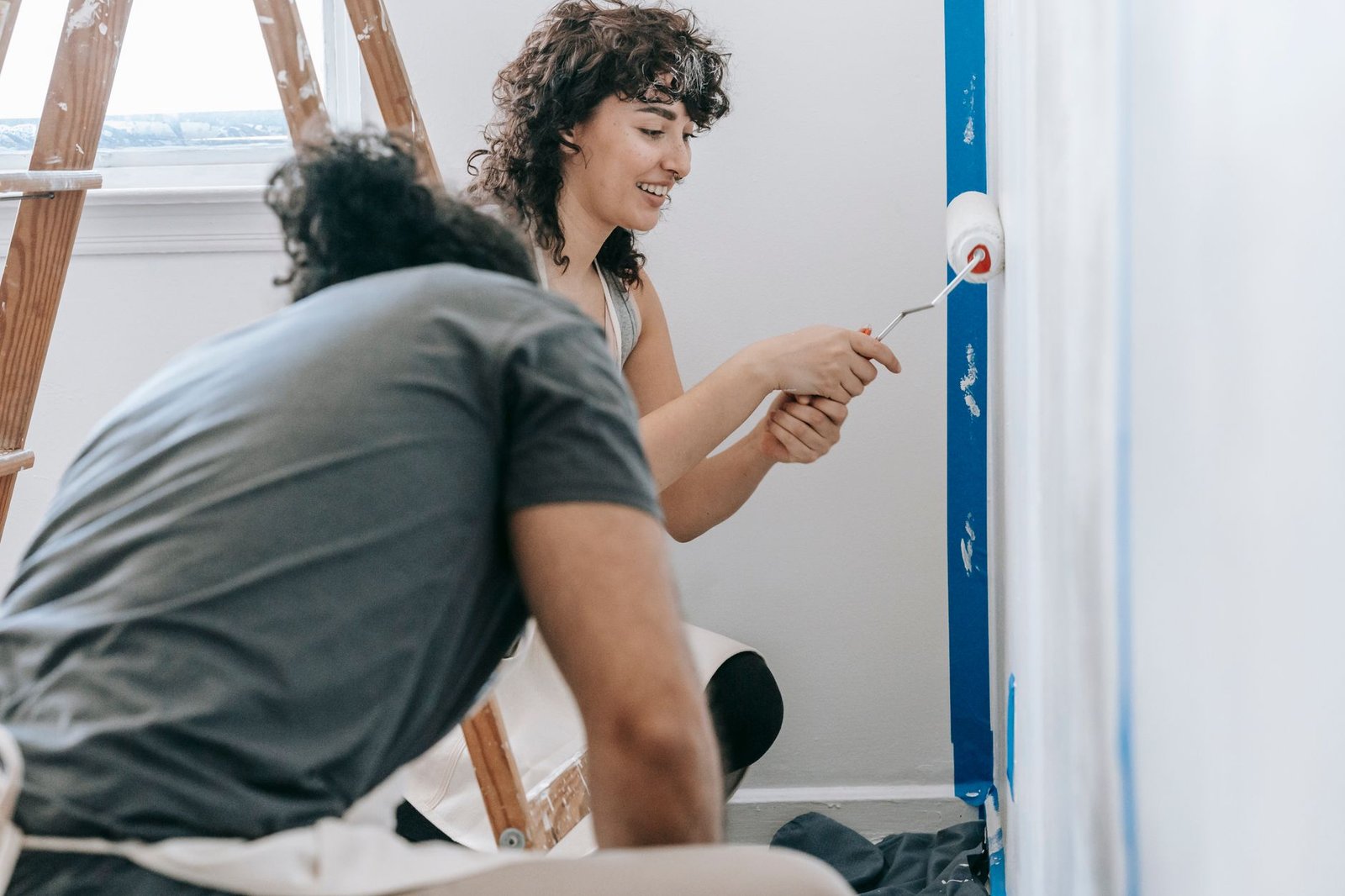
For 2026, the optimal interior paint for high-traffic areas prioritizes unparalleled durability, superior washability, and advanced protective features. Modern formulations, particularly those utilizing ceramic microsphere technology and enhanced acrylic resins, stand out for their exceptional performance in busy environments such as hallways, living rooms, and kitchens. These innovations ensure surfaces withstand daily wear while maintaining aesthetic appeal, aligning with contemporary homeowner expectations for both beauty and resilience.
Understanding High-Traffic Paint Needs in 2026
High-traffic areas within a home — including entryways, hallways, living rooms, and bustling kitchens — are subjected to constant challenges. These spaces endure everything from scuffs and abrasions to spills and frequent cleaning. The chosen paint must therefore be more than merely decorative; it must act as a robust protective layer. In 2026, homeowners seek solutions that offer longevity, ease of maintenance, and health-conscious attributes, reflecting an increased awareness of indoor air quality and sustainable living practices.
Key characteristics for paint in these demanding zones include:
- Exceptional Durability: Resistance to scuffing, chipping, and general abrasion from daily contact.
- Superior Washability: The ability to be cleaned repeatedly without losing color, sheen, or integrity.
- Stain Resistance: A surface that repels common household stains, simplifying clean-up.
- Mildew and Mold Resistance: Especially crucial for areas prone to humidity, such as kitchens.
- Low-VOC Formulations: Minimizing harmful emissions for improved indoor air quality, a significant trend in 2026.
Key Paint Technologies Shaping 2026
The paint industry continues to evolve, with 2026 showcasing significant advancements in material science. These innovations directly address the rigorous demands of high-traffic residential spaces.
Advanced Acrylic and Ceramic Formulations
Leading the charge in durability are paints incorporating ceramic microsphere technology. These microscopic, hard ceramic beads are integrated into the paint film, creating a significantly tougher, more abrasion-resistant surface. This translates to superior scuff and scrub resistance compared to traditional paints. When combined with advanced acrylic polymers, which provide enhanced flexibility, adhesion, and fade resistance, these formulations deliver a resilient finish capable of enduring years of activity. The result is a paint film that flexes with temperature changes and resists cracking, crucial for long-term performance.
Antimicrobial and Stain-Resistant Innovations
In response to growing health and hygiene concerns, 2026 sees a rise in paints with built-in antimicrobial properties. These formulations contain agents that inhibit the growth of mold, mildew, and certain bacteria on the paint surface, contributing to a healthier indoor environment. Furthermore, cutting-edge stain-blocking technologies are more effective than ever, creating an impermeable barrier that prevents common household spills, such as coffee, wine, or crayon marks, from penetrating the paint film, making clean-up effortless for the resident.
Eco-Conscious Choices: Low-VOC and Sustainable Options
Environmental stewardship and indoor air quality remain paramount in 2026. Manufacturers are increasingly prioritizing low-VOC (Volatile Organic Compound) and zero-VOC paints. These products reduce the emission of harmful chemicals into the home, contributing to a safer and healthier living space during and after application. Beyond VOCs, some brands are exploring recycled content and bio-based resins, pushing the boundaries of sustainability in paint production, a factor many homeowners consider when making purchasing decisions.
Selecting the Optimal Sheen for Durability
The sheen, or gloss level, of paint plays a pivotal role in its durability and washability, particularly in high-traffic areas. The glossier a paint finish, the harder and more resistant it typically is to moisture and wear, and the easier it is to clean.
Eggshell and Satin: The Modern Workhorses
For most high-traffic living spaces, eggshell and satin finishes strike the ideal balance between aesthetics and functionality. Eggshell offers a subtle, soft sheen that helps conceal minor wall imperfections while providing good durability and excellent washability. Satin finishes present a slightly higher luster, making them even more resistant to moisture and stains, and incredibly easy to wipe clean. These sheens are highly recommended for living rooms, dining rooms, and hallways, offering both visual appeal and practical resilience.
Semi-Gloss: For Extreme Durability
Where maximum durability and washability are non-negotiable, such as in kitchens, bathrooms, and laundry rooms, a semi-gloss finish is often the best choice. Its higher sheen creates a very hard, smooth surface that can withstand vigorous scrubbing and frequent exposure to moisture without degradation. While it may highlight wall imperfections more than lower sheens, its protective qualities are unmatched for truly demanding environments.
Avoiding Flat and Matte Finishes
Flat and matte paints, while aesthetically pleasing for their ability to hide imperfections and absorb light, are generally not recommended for high-traffic areas. Their porous surface makes them prone to staining and difficult to clean effectively without damaging the finish. For busy zones, the homeowner should opt for a more resilient sheen.
Beyond the Can: Maximizing Paint Longevity
Even the most advanced paint requires proper preparation and application to achieve its full potential and extend its lifespan.
Preparation is Paramount
A successful paint job begins with meticulous surface preparation. The walls must be clean, dry, and free of dust, grease, or peeling paint. Repairing any cracks or holes and properly sanding uneven surfaces will ensure a smooth, uniform finish. Applying a high-quality primer, especially over previously painted dark colors or bare drywall, improves paint adhesion, provides a consistent base, and often enhances the final color’s vibrancy and durability.
Proper Application Techniques
Applying two thin coats of paint is always preferable to one thick coat. Thin coats cure more evenly and adhere better, resulting in a stronger, more durable finish. Allowing adequate drying time between coats, as specified by the manufacturer, is crucial for optimal performance. The final cure time, which can take several weeks, means the paint film reaches its maximum hardness and washability.
Ongoing Maintenance and Care
To maintain the pristine condition of painted high-traffic areas, regular, gentle cleaning is advised. For most modern washable paints, a soft cloth dampened with mild soap and water is sufficient for wiping away dirt and smudges. Promptly addressing spills and stains prevents them from setting, ensuring the longevity and appearance of the painted surface for years to come.
In 2026, selecting the best interior paint for high-traffic areas involves more than just color choice; it’s about investing in advanced technology, considering environmental impact, and understanding the interplay of sheen and durability. By choosing ceramic-reinforced, high-washability acrylics with appropriate sheens, and ensuring diligent preparation, residents can create enduringly beautiful and functional spaces that stand the test of time and activity.