
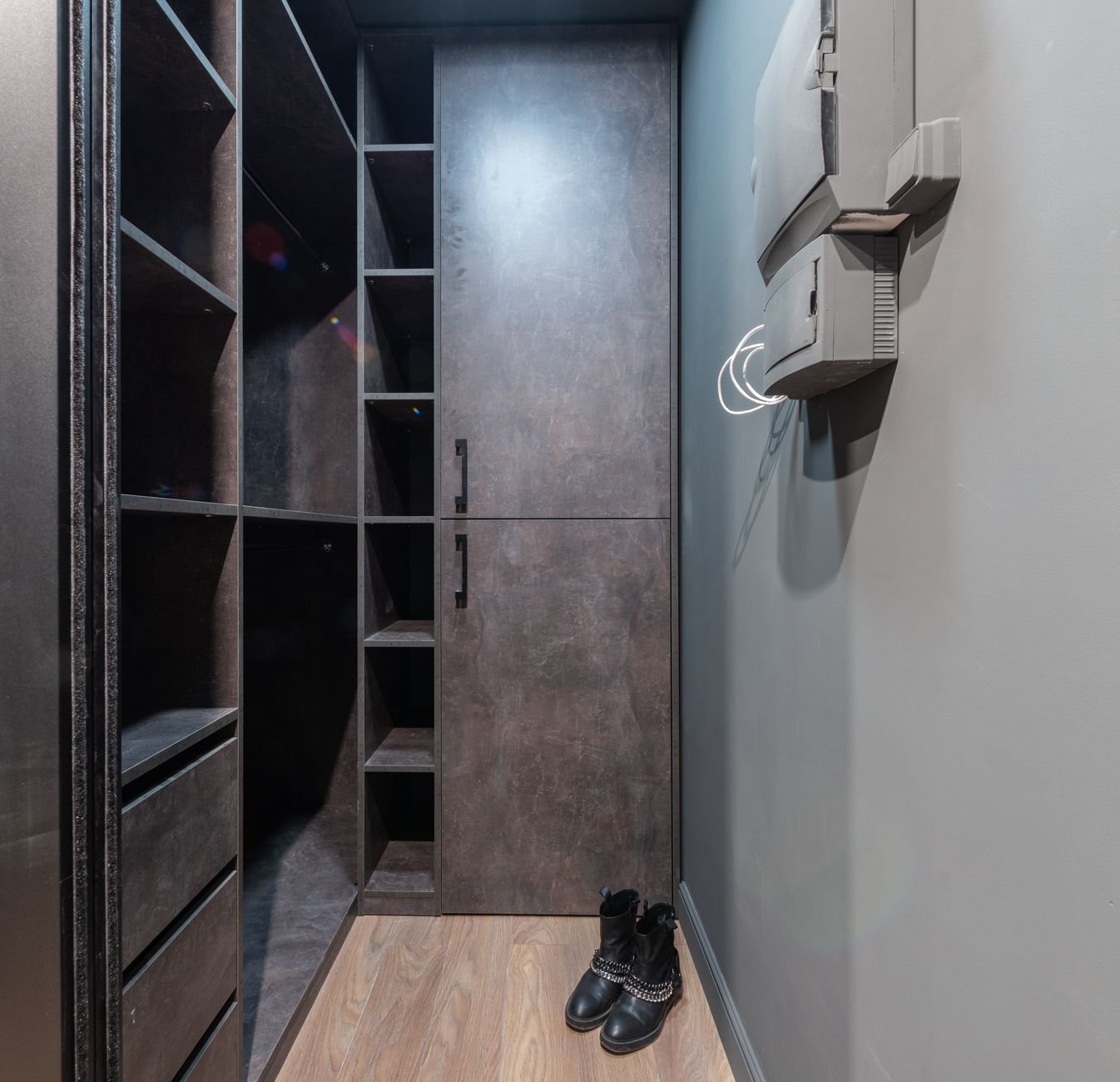
Optimizing storage in compact bathroom linen closets presents a perennial challenge for homeowners. For 2026, a blend of innovative materials, smart technology, and timeless organizational principles offers effective solutions to maximize every inch of space, ensuring a tidy and functional environment.
Leveraging Vertical Space and Smart Storage Solutions
1. Vertical Dividers and Acrylic Stacking Bins
Maximizing vertical space is paramount in smaller closets. The implementation of vertical dividers effectively compartmentalizes shelves, preventing stacks of towels and linens from toppling. For 2026, sustainable acrylics and bio-composite plastics are favored for their durability, transparency, and eco-friendliness, allowing for quick visual identification of contents. Stacking bins, particularly those with modular designs, permit the resident to create customized towers of storage, adaptable to varying item sizes and evolving needs. These bins are increasingly designed with interlocking features for enhanced stability.
2. Wall-Mounted Organizers and Door-Back Storage
The often-overlooked inner surface of the linen closet door or adjacent wall space offers significant organizational potential. Slim, wall-mounted racks crafted from lightweight, corrosion-resistant aluminum or recycled polymers can hold smaller essentials such as toiletries, cleaning supplies, or extra rolls of toilet paper. Over-the-door organizers with multiple pockets or baskets, now commonly featuring silent-close mechanisms and sleek, minimalist profiles, provide accessible storage without encroaching upon precious shelf space. Some advanced models in 2026 even incorporate discreet magnetic strips or NFC tags for smart inventory tracking.
3. Expandable Shelf Inserts and Risers
Creating additional layers within existing shelves is a smart strategy for managing diverse item sizes. Expandable shelf inserts, manufactured from bamboo composites or recycled stainless steel, allow the user to adjust widths to fit the closet precisely. Risers elevate items, creating space underneath for flatter objects like hand towels or washcloths, thereby doubling the storage capacity of a single shelf. Modern designs emphasize tool-free assembly and robust construction, ensuring longevity and adaptability to future reorganization efforts.
4. Deep Drawer Organizers and Roll-Out Baskets
For deeper shelves, pull-out solutions significantly improve accessibility, eliminating the need to rummage through stacks. Deep drawer organizers, often made from sustainable wood or durable recycled PET plastics, fit snugly into shelves, allowing for categorized storage of smaller items like first-aid supplies or extra soaps. Roll-out wire baskets, particularly those with smooth-gliding tracks, are ideal for bulkier items such as spare blankets or bath sheets. Innovations for 2026 include integrated soft-close mechanisms and even discreet motion-activated LED lighting to illuminate contents upon opening, enhancing user convenience.
Optimizing Inventory and Accessibility
5. KonMari-Inspired Folding Techniques
The application of vertical folding techniques, popularized by the KonMari method, revolutionizes how linens are stored. By folding items to stand upright rather than lying flat, homeowners can dramatically increase storage density while simultaneously improving visibility. Each item becomes easily identifiable and retrievable without disturbing others. This method is particularly effective for towels, sheets, and smaller textile items, fostering a sense of order and reducing clutter. The practice encourages a mindful approach to inventory, prompting the resident to maintain only what is truly needed and appreciated.
6. Transparent and Labeled Containers
Eliminating visual clutter while maintaining awareness of contents is crucial for efficient small-space organization. Transparent containers, made from high-quality recycled acrylic or glass, allow for immediate identification of stored items such as cotton balls, bath bombs, or travel-sized toiletries. For opaque bins or baskets, clear and consistent labeling is essential. For 2026, digital labeling systems utilizing QR codes or NFC tags are becoming more prevalent, linking to digital inventories that can track expiry dates or reorder reminders, ensuring supplies are always fresh and available.
7. Seasonal Rotation Strategy
Implementing a seasonal rotation strategy prevents the linen closet from becoming a repository for rarely used items. Heavy winter duvets and flannel sheets can be stored in vacuum-sealed bags in another location during warmer months, while lighter summer bedding takes their place. Similarly, holiday-specific linens can be rotated in and out as needed. This proactive approach keeps the closet clutter-free and ensures that only currently relevant items occupy the valuable space, simplifying daily access and maintenance. The resident benefits from reduced visual noise and enhanced functional efficiency.
Innovative Materials and Tech for 2026
8. Integrated Smart Storage Systems
The smart home trend extends to linen closet organization in 2026. Integrated smart storage systems can include motion-sensing lights, humidity sensors to prevent mildew, and even small, discreet cameras that allow for remote inventory checks via an app. Some advanced prototypes feature automated compacting shelves that adjust to the volume of stored items, minimizing dead space. Voice-activated commands can also be integrated for inventory queries or to illuminate specific sections, offering a seamless and futuristic organizational experience.
9. Sustainable Modular Shelving
Sustainability continues to be a driving force in home design. Modular shelving units constructed from rapidly renewable resources like bamboo, reclaimed wood, or recycled plastic composites offer both aesthetic appeal and environmental responsibility. These systems are designed for easy reconfiguration, allowing the homeowner to adapt the closet’s internal structure as storage needs change. The focus is on durable, non-toxic materials that contribute to a healthier indoor environment, aligning with broader wellness trends in residential interiors.
10. Digital Inventory Management
Beyond physical labels, digital inventory management systems are gaining traction. Specialized apps, often integrated with smart home platforms, allow the resident to log every item stored in the linen closet, track quantities, and set reminders for reordering or discarding expired products. Small, inexpensive NFC tags can be affixed to bins or individual items, allowing a quick scan with a smartphone to access detailed product information or stock levels. This digital approach provides unparalleled oversight and efficiency, particularly beneficial for managing toiletries and medicines with expiration dates.
By adopting these 10 clever organizational strategies, homeowners can transform even the most challenging small bathroom linen closets into highly functional, aesthetically pleasing, and effortlessly manageable spaces for 2026. The integration of modern materials and smart technologies ensures that these solutions are not only practical but also aligned with contemporary design and lifestyle preferences, fostering domestic comfort and efficiency.