As 2026 unfolds, the kitchen continues its evolution from a purely utilitarian space to a meticulously crafted hub of domestic life. Modern design principles prioritize not only breathtaking aesthetics but also an intuitive, highly functional environment. This era of kitchen remodeling is defined by the seamless integration of advanced ergonomics, cutting-edge materials, and discreet, intelligent storage solutions, all converging to create culinary preparation areas that are both inspiring and exceptionally efficient.
The 2026 Kitchen Paradigm: Blending Form and Flawless Function
The contemporary kitchen in 2026 is a testament to thoughtful design, where every element serves a dual purpose of beauty and practicality. Homeowners are increasingly seeking spaces that adapt to diverse activities, from gourmet cooking to casual entertaining, and even remote work. The emphasis is on creating a personalized ecosystem that supports the resident’s lifestyle, ensuring comfort and reducing strain during daily tasks. This holistic approach redefines luxury, moving beyond mere opulence to embody a sense of effortless living.
Ergonomic Mastery: Designing for Seamless Culinary Flow
The cornerstone of 2026 kitchen design is an unwavering commitment to ergonomics. This goes beyond adjustable seating, delving into the very layout and interaction points within the space. The goal is to minimize unnecessary movement, improve accessibility, and enhance the overall comfort for the individual engaged in culinary activities.
Evolving the Work Triangle into Intelligent Zones
While the traditional work triangle (sink, refrigerator, range) remains a foundational concept, it has evolved into a more nuanced system of intelligent zones. Modern kitchens are segmented into distinct areas for preparation, cooking, washing, and storage, each optimized for its specific function. This zonal approach allows for multiple residents to utilize the kitchen concurrently without interference, a crucial factor in busy households.
- Preparation Zone: Features ample countertop space, often with integrated cutting boards and waste disposal systems. Proximity to fresh ingredients and small appliances is paramount.
- Cooking Zone: Centered around the range or cooktop, with easy access to pots, pans, and cooking utensils. Integrated ventilation systems are quieter and more efficient than ever.
- Washing Zone: Typically includes the main sink, dishwasher, and dedicated areas for dish drying and waste sorting. Touchless faucets are becoming standard, promoting hygiene.
- Pantry/Storage Zone: Designed for bulk storage of food items, dishes, and small appliances, often employing concealed solutions for a streamlined look.
Optimizing Accessibility and Comfort
Height customization is a significant trend. Countertops, islands, and appliance placements are tailored to the resident’s specific stature, preventing back strain and making tasks more comfortable. Under-counter refrigeration and freezer drawers are popular, reducing the need for deep bending. Intelligent lighting, with adjustable color temperatures and motion sensors, further enhances usability and mood, adapting to different times of day and tasks.
Sophisticated Aesthetics: Premium Materials and Invisible Integration
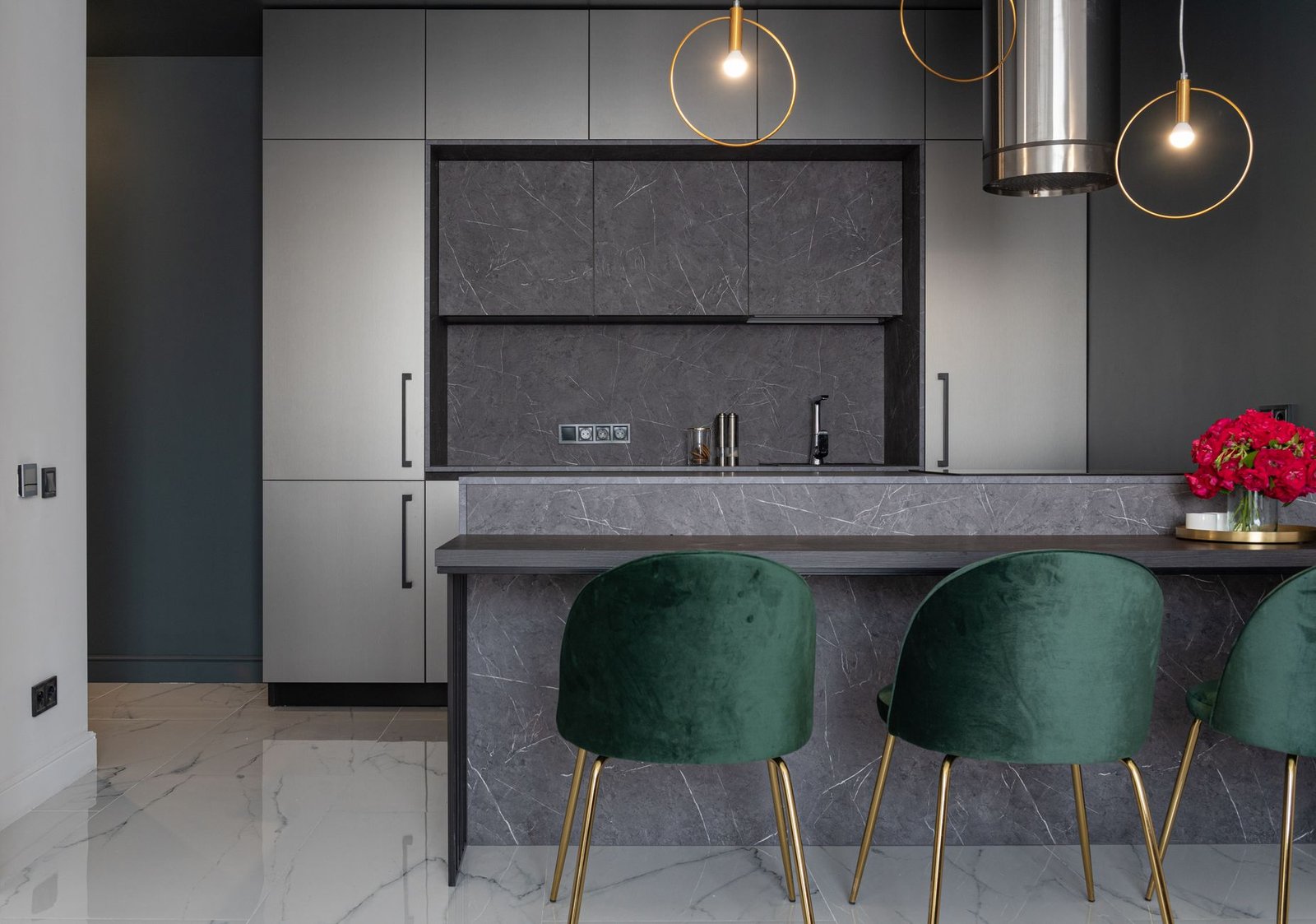
The visual appeal of 2026 kitchens is characterized by clean lines, sophisticated textures, and a profound appreciation for high-quality, durable materials. The drive towards minimalism is achieved not by stripping away features, but by ingeniously concealing them.
The Allure of Advanced Surfaces
Material selection in 2026 balances aesthetic desires with practical demands for resilience, hygiene, and sustainability. Industry-leading options include:
- Ultra-Compact Surfaces: Brands like Dekton and Neolith continue to innovate with materials that offer unparalleled resistance to scratches, heat, stains, and UV light, available in an expansive array of colors and finishes mimicking natural stone, wood, or metal.
- Engineered Quartz with Enhanced Properties: While established, newer generations of engineered quartz feature improved antimicrobial properties and a broader range of patterns, including intricate veining that rivals marble, without the maintenance.
- Recycled Glass and Porcelain Slabs: Environmentally conscious choices are gaining traction, with recycled glass countertops offering unique translucency and porcelain slabs providing large-format, low-porosity surfaces ideal for expansive islands and backsplashes.
- Textured Woods and Wood Composites: Sustainable timbers, often in lighter tones or dark, dramatic finishes, are used for cabinetry and accents, sometimes paired with advanced composites that offer wood’s aesthetic with enhanced durability.
Concealed Storage: The Art of Disappearing Act
The hallmark of a truly sophisticated kitchen in 2026 is its ability to hide clutter and essential but often unsightly items. This commitment to an uncluttered aesthetic elevates the overall design and perceived spaciousness.
- Integrated Appliances: Refrigerators, dishwashers, and even coffee machines are seamlessly integrated behind custom paneling, blending them indistinguishably with cabinetry.
- Hidden Pantries and Sculleries: Walk-in or even ‘reach-in’ pantries, often concealed behind a discreet door, provide extensive storage for food and small appliances, allowing the main kitchen area to remain pristine.
- Push-to-Open Mechanisms and Invisible Hardware: Eliminating handles and knobs creates sleek, uninterrupted surfaces. Cabinets and drawers open with a gentle touch, enhancing the minimalist appeal.
- Appliance Garages and Lift-Up Cabinets: Dedicated nooks with retractable or lift-up doors keep toasters, blenders, and other countertop appliances out of sight when not in use, maintaining a clean workspace.
- Drawer-within-a-Drawer Systems: Maximizing internal space, these clever solutions allow for organized storage of cutlery, utensils, and spices, keeping them neatly out of sight.
Sustainability, Smart Integration, and Wellness Focus
Beyond beauty and ergonomics, 2026 kitchens are increasingly designed with ecological responsibility and smart technology at their core. Residents are demanding spaces that not only function well but also contribute positively to their well-being and the planet.
Sustainable practices are evident in the use of reclaimed materials, low-VOC finishes, and energy-efficient appliances that reduce the homeowner’s carbon footprint. Water-saving fixtures and integrated waste management systems with composting capabilities are becoming standard.
The Intelligent Kitchen Ecosystem
Smart home technology is no longer a novelty but an integrated ecosystem. Voice-activated controls manage lighting, temperature, and even recipe retrieval. Appliances communicate with each other, preheating ovens based on meal planning apps or notifying the resident when ingredients are running low. Predictive AI assists with inventory management and suggests recipes based on available items, streamlining daily culinary tasks.
A focus on wellness manifests through sophisticated air purification systems integrated into ventilation, ensuring a fresh and healthy indoor environment. Hydroponic herb gardens built into islands or backsplashes provide fresh produce and a touch of biophilic design, connecting the resident to nature within their home.
Crafting the Future: A Holistic Approach to Kitchen Design
The kitchen remodeling trends of 2026 underscore a fundamental shift towards spaces that are deeply personal, incredibly efficient, and sustainably minded. By prioritizing advanced ergonomics, selecting premium, often eco-conscious materials, and implementing innovative concealed storage, designers are creating culinary environments that transcend mere utility. These kitchens are thoughtful sanctuaries, empowering the homeowner with a seamless and aesthetically rich experience that truly elevates the art of domestic comfort and culinary expression.