
Indoor air quality has emerged as a cornerstone of domestic comfort and overall well-being, particularly as urban environments evolve and modern lifestyles increasingly anchor individuals indoors. In 2026, enhancing a home’s air quality is not merely a luxury but a fundamental aspect of promoting a healthier living environment. This article outlines five practical, do-it-yourself strategies and simple changes that homeowners can implement to significantly improve the air residents breathe, fostering a profound sense of wellness.
Understanding the 2026 Air Quality Imperative
The year 2026 marks a heightened awareness regarding the unseen pollutants lurking within homes. From volatile organic compounds (VOCs) off-gassed by conventional building materials and furnishings to particulate matter from cooking or outdoor pollution, the cocktail of indoor airborne contaminants can significantly impact respiratory health, cognitive function, and sleep quality. Current industry trends emphasize a holistic approach to home wellness, integrating advanced monitoring systems with sustainable design principles. Residents are increasingly seeking proactive, accessible solutions to mitigate these issues, moving beyond reactive measures to establish consistently pristine indoor atmospheres. Modern material developments are also playing a crucial role, offering lower-emission alternatives that support healthier interiors from the ground up. The focus has shifted towards creating regenerative living spaces that actively contribute to occupant health.
Implementing Core DIY Air Quality Improvements
1. Enhanced Ventilation Through Smart Design
Effective ventilation is paramount for diluting indoor pollutants and introducing fresh outdoor air. While opening windows remains a foundational practice, 2026 innovations offer more sophisticated DIY options. Homeowners can strategically implement smart window systems that, often integrated with a central smart home hub, can be programmed to open and close based on real-time indoor and outdoor air quality readings, humidity levels, and even temperature fluctuations. For those without automated windows, establishing a cross-ventilation pattern by opening windows on opposing sides of a dwelling creates effective airflow. Regular, brief periods of comprehensive air exchange – known as “flushing” the home – can drastically reduce accumulated pollutants. Consideration should also be given to kitchen and bathroom exhaust fans; ensuring these are cleaned and utilized consistently, particularly during and after cooking or showering, is a simple yet impactful step.
2. Harnessing Nature’s Air Purifiers: Advanced Biophilic Integration
Plants have long been celebrated for their aesthetic appeal, but their role in air purification is gaining renewed scientific backing and design integration in 2026. Beyond merely adding greenery, residents can strategically incorporate specific species known for their air-cleansing properties. Plants like the Peace Lily (Spathiphyllum), Snake Plant (Sansevieria trifasciata), Spider Plant (Chlorophytum comosum), and Boston Fern (Nephrolepis exaltata) are particularly effective at absorbing common VOCs such as formaldehyde, benzene, and xylene. Modern biophilic design encourages more than just potted plants; consider vertical garden systems or living walls, which are becoming increasingly accessible as DIY kits. These integrated plant systems not only enhance air quality but also contribute to psychological well-being, reducing stress and improving focus, aligning with broader domestic comfort objectives. Ensuring proper plant care, including appropriate watering and dusting leaves, optimizes their air-purifying capabilities.
3. Strategic Material Choices and Low-VOC Living
The materials chosen for interior finishes and furnishings have a significant impact on indoor air quality, often off-gassing harmful chemicals for years. In 2026, there is an expanding market of low-VOC and zero-VOC alternatives that homeowners can proactively select for DIY projects or new purchases. When painting, selecting zero-VOC paints and finishes is a non-negotiable step. For flooring, opting for sustainable options like bamboo, cork, or linoleum with non-toxic adhesives and sealants minimizes chemical emissions. Furniture constructed from solid wood or materials certified as formaldehyde-free should be prioritized over pressed wood products that often contain high levels of this irritant. When purchasing new items, residents should look for certifications such as GREENGUARD Gold or Cradle to Cradle, which guarantee products meet rigorous chemical emission standards. Simple awareness and conscious purchasing decisions can dramatically reduce the chemical burden within a home.
Advanced DIY Strategies for Optimal Air Purity
4. DIY Filtration Upgrades and Consistent Maintenance
The effectiveness of a home’s heating, ventilation, and air conditioning (HVAC) system in cleaning the air largely hinges on its filtration. Homeowners can significantly upgrade their system’s performance by utilizing higher-efficiency air filters. Filters with a Minimum Efficiency Reporting Value (MERV) rating of 11 to 13 are recommended for residential use, capable of trapping smaller particles like pet dander, pollen, mold spores, and even some bacteria. These filters should be checked and replaced every 1-3 months, with smart filter replacements available in 2026 that notify the user via an app when a change is due. Beyond HVAC, individuals can construct their own high-efficiency particulate air (HEPA) filter units by attaching a MERV 13 filter to a box fan, offering an affordable solution for localized air purification. Furthermore, regular vacuuming with a HEPA-filtered vacuum cleaner is essential for removing dust, allergens, and pollutants embedded in carpets and upholstery, preventing their recirculation.
5. Proactive Moisture Management and Mold Prevention
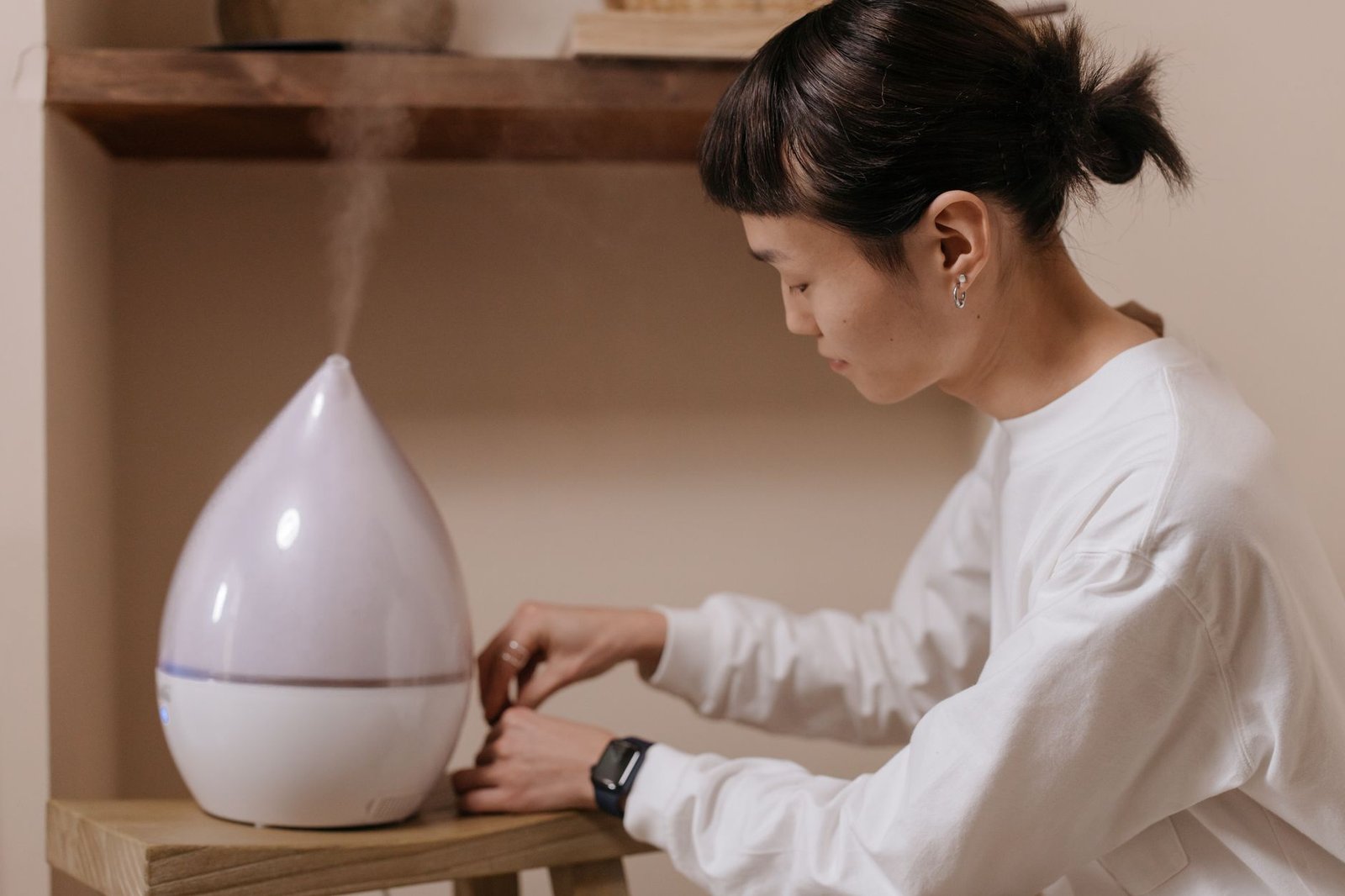
Excessive indoor humidity creates an ideal breeding ground for mold, mildew, and dust mites, all significant contributors to poor indoor air quality and potential respiratory issues. Maintaining indoor humidity levels between 30% and 50% is crucial. Homeowners can achieve this through strategic ventilation and the use of dehumidifiers, with smart models available in 2026 that integrate with home systems to automatically adjust based on sensor readings. Promptly addressing any water leaks – from leaky pipes to roof intrusions – is paramount, as water damage is a primary precursor to mold growth. For smaller, enclosed spaces prone to dampness, natural absorbents like activated charcoal or silica gel packets can help manage ambient moisture. Regular cleaning of bathrooms and kitchens with mold-inhibiting cleaners also contributes to preventing issues. A diligent approach to moisture control is a powerful DIY hack for preserving indoor air purity.
Sustaining a Healthy Indoor Atmosphere
Achieving superior indoor air quality is an ongoing commitment rather than a one-time project. Regular monitoring with affordable, compact air quality sensors – many of which integrate seamlessly with smart home platforms in 2026 – allows residents to track particulate matter, VOCs, CO2 levels, and humidity, providing actionable insights for adjustment. Integrating these DIY hacks creates a synergistic effect, where ventilation complements filtration, and biophilic elements work alongside low-emission materials. The cumulative benefit extends beyond merely breathing easier; it contributes to enhanced sleep, improved concentration, and a greater sense of overall domestic comfort and wellness. The continuous application of these strategies empowers residents to curate truly healthy and restorative living environments.
By embracing these five practical, homeowner-implementable strategies, individuals can transform their living spaces into bastions of clean air and well-being. These 2026-relevant hacks, from smart ventilation to proactive moisture control, demonstrate that a healthier home atmosphere is well within the reach of every resident.