For homeowners navigating the constraints of limited outdoor space, cultivating a productive edible garden might seem challenging. However, numerous simple-to-grow edible plants thrive in containers, making them perfect for small patios, balconies, or urban rooftops. This guide highlights five easy options that will flourish, enabling fresh harvests directly from one’s immediate surroundings in 2026.
The Appeal of Container Gardening for Compact Outdoor Living
The urbanization trend continues to drive innovation in space-saving domestic solutions, and edible container gardening stands as a prime example. It offers a tangible connection to food sources, enhancing domestic comfort and well-being, even within metropolitan footprints. A well-designed container garden provides both sustenance and aesthetic appeal, transforming a utilitarian space into a vibrant, productive haven.
Container gardening offers unparalleled flexibility. Plants can be moved to optimize sunlight exposure, protect them from adverse weather, or simply rearrange the patio’s layout. This adaptability, combined with advancements in gardening technology and sustainable materials, makes 2026 an opportune year for residents to embrace compact edible cultivation.
The Top 5 Easy Edible Plants for Small Patios in 2026
Selecting the right plants is crucial for success in limited spaces. The following five edibles are chosen for their ease of growth, productivity in containers, and suitability for varying sunlight conditions typically found on urban patios.
1. Bush Beans (Dwarf Varieties)
- Why they are easy: Bush beans are relatively low-maintenance, requiring minimal support compared to pole beans. Dwarf varieties are specifically bred for compact growth, perfect for containers.
- Growing tips: These plants thrive in full sun (at least 6-8 hours daily) and well-draining soil. A container with a diameter of at least 10-12 inches and a depth of 8-10 inches is ideal for a few plants. Regular watering, especially as pods develop, is essential. Modern self-watering planters incorporating capillary mats can significantly reduce daily watering chores.
- Harvesting: Pods are typically ready for harvest 50-60 days after planting. Picking beans frequently encourages more production.
2. Cherry Tomatoes (Dwarf & Bush Varieties)
- Why they are easy: While larger tomato plants can be demanding, dwarf and bush cherry tomato varieties are well-suited for containers. They offer a continuous supply of sweet, bite-sized fruits without requiring extensive staking.
- Growing tips: Full sun is paramount. Use a large container, at least 14-18 inches in diameter, to provide ample root space. Utilize a sturdy stake or small cage from the outset for support, even for bush varieties. Fertilize regularly with a balanced, liquid organic fertilizer once fruiting begins. Developments in targeted nutrient delivery systems for potted plants make feeding precise and efficient in 2026.
- Harvesting: Cherry tomatoes ripen quickly. Harvest when fruits are fully colored and firm.
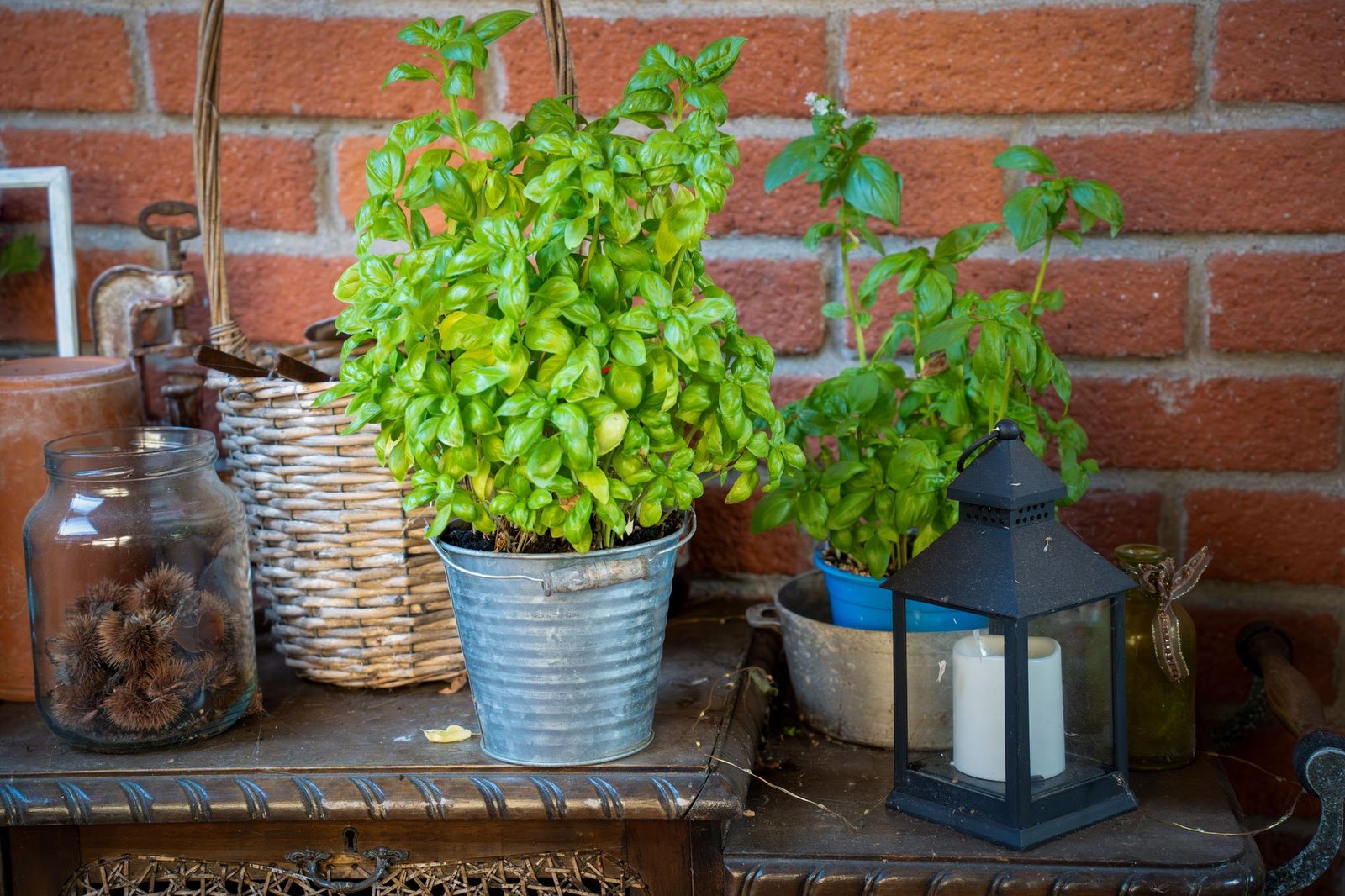
3. Culinary Herbs (Basil, Mint, Rosemary)
- Why they are easy: Herbs are incredibly forgiving and immensely rewarding for container gardeners. They offer fresh flavor for cooking and attractive foliage.
- Growing tips: Most herbs prefer full to partial sun. Basil requires consistent moisture and warmth. Mint is vigorous and best kept in its own container to prevent it from overtaking other plants. Rosemary prefers well-drained soil and can tolerate drier conditions once established. For optimal growth, consider using advanced self-aerating fabric pots that promote healthy root development.
- Harvesting: Snip leaves as needed. Regular harvesting encourages bushier growth and prevents bolting (premature flowering).
4. Leafy Greens (Lettuce, Spinach, Arugula)
- Why they are easy: These greens are fast-growing, have shallow root systems, and often allow for a ‘cut-and-come-again’ harvest, providing multiple yields from a single planting.
- Growing tips: Leafy greens prefer partial sun, especially in warmer climates, which helps prevent bolting. Use wide, shallow containers, as these plants do not require deep root space. Consistent moisture is key to tender, non-bitter leaves. The use of moisture-retentive potting mixes with sustainable additives like coco coir or perlite is recommended for 2026.
- Harvesting: Harvest outer leaves as needed, allowing the inner leaves to continue growing.
5. Strawberries (Ever-bearing Varieties)
- Why they are easy: Ever-bearing strawberry varieties produce fruit throughout the growing season, offering a prolonged harvest. Their relatively compact size and trailing habit make them excellent for hanging baskets, tiered planters, or dedicated strawberry pots.
- Growing tips: Strawberries need at least 6-8 hours of full sun for optimal fruit production. They prefer well-drained, slightly acidic soil. Maintain consistent moisture, particularly during flowering and fruiting. Consider utilizing UV-stabilized recycled plastic hanging planters, a common and durable choice in 2026, which are lightweight and resistant to environmental degradation.
- Harvesting: Pick ripe berries when they are fully red and fragrant.
Container Gardening Trends and Best Practices for 2026
The landscape of container gardening is continually evolving, with new technologies and sustainable practices making it more accessible and efficient.
Smart Watering and Nutrition Systems
Automated watering systems, including drip irrigation tailored for small container setups and app-controlled moisture sensors, are becoming standard for urban gardeners. These systems ensure plants receive optimal hydration, reducing water waste and daily maintenance. Similarly, slow-release organic fertilizers and precision liquid feeding kits minimize guesswork, providing consistent nutrition to potted edibles.
Sustainable Material Innovations
The shift towards eco-conscious materials is prominent. Containers crafted from recycled plastics with enhanced UV resistance, biodegradable plant-fiber pots, and lightweight composite materials are increasingly available. These options not only reduce environmental impact but also offer superior durability and aesthetic appeal for the modern patio.
Vertical Gardening Integration
To maximize every square inch, vertical gardening solutions are gaining traction. Wall-mounted planters, tiered systems, and hydroponic towers are perfect for growing herbs and leafy greens, effectively expanding the garden’s footprint without occupying floor space. These systems are often designed with modularity in mind, allowing homeowners to customize their vertical edible wall.
Optimized Substrates and Soil Health
Specialized potting mixes designed for container growing in 2026 feature excellent drainage, aeration, and nutrient retention. Many incorporate beneficial microbes and organic components to support robust plant health from the root up, reducing the need for constant soil amendments.
Maximizing Harvests and Enjoyment from Small-Space Edibles
Beyond selecting the right plants and containers, consistent care and attention contribute significantly to a successful container garden. Regular observation for pests and diseases allows for prompt intervention, often with organic solutions like neem oil or insecticidal soap.
Pruning and regular harvesting are vital. Removing spent flowers and consistently picking mature produce signals to the plant to continue producing, extending the harvest season. For many leafy greens and herbs, this practice can yield several cycles of fresh produce. Integrating the container garden into the overall patio design, through thoughtful arrangement and complementary decorative elements, enhances both the utility and beauty of the outdoor living area. The resident can thus cultivate a productive and aesthetically pleasing edible oasis, enhancing the domestic environment with fresh, home-grown ingredients.