
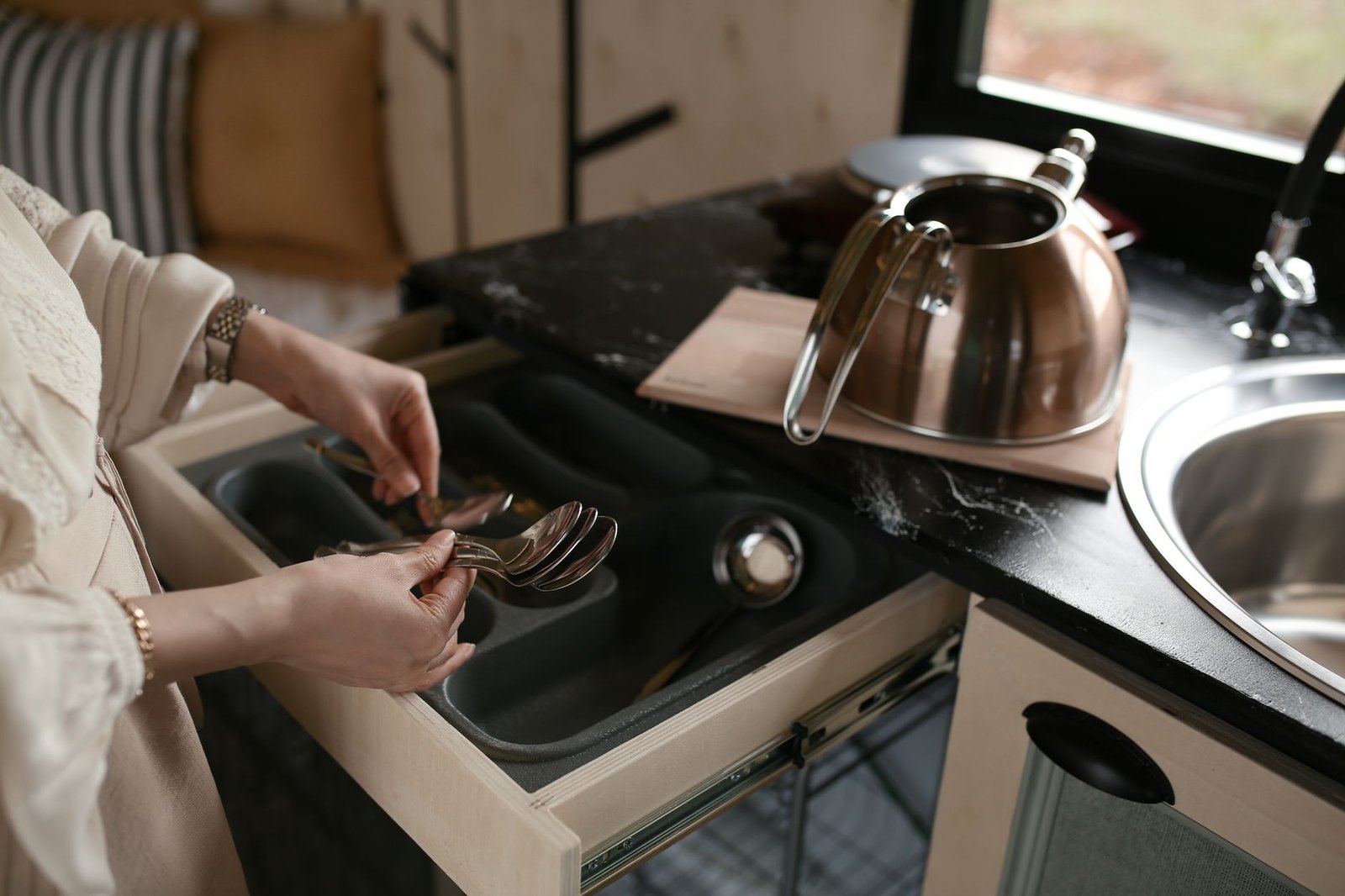
Small kitchen spaces often present unique challenges for maintaining order, particularly within drawers where clutter can quickly accumulate. Optimizing these compact areas is crucial for efficient cooking and a harmonious environment. This article will present five effective strategies specifically designed to maximize functionality and minimize disarray in compact kitchen drawers, ensuring every item has its dedicated place and contributing to a more streamlined culinary experience.
The Imperative of Smart Drawer Management in Compact Kitchens
In homes with limited kitchen real estate, every inch of storage needs to perform optimally. Unorganized drawers can quickly lead to frustration, wasted time searching for tools, and a general sense of chaos. Effective drawer organization is not merely about aesthetics; it is about enhancing the functional flow of the kitchen, making daily tasks easier, and ultimately improving the resident’s overall domestic comfort. Before implementing any new organizational system, a critical first step involves a thorough assessment and decluttering process. The resident should remove all items from drawers, categorizing them into ‘keep,’ ‘donate,’ and ‘discard’ piles. This purge helps identify duplicates, broken items, or tools that have not been used in the past year, ensuring that only truly necessary and frequently utilized items occupy valuable drawer space. This mindful approach to consumption and storage lays the groundwork for any successful organizational overhaul.
Five Smart Organization Strategies for Small Kitchen Drawers
1. Vertical Dividers and Tiered Inserts
One of the most effective ways to combat limited horizontal space is to leverage verticality within drawers. Adjustable vertical dividers are excellent for separating items like cutting boards, baking sheets, platters, or even pot lids, preventing them from toppling over and creating a jumbled mess. For smaller items like spices or small containers, tiered inserts made from materials like sustainable bamboo, recycled plastic, or slim metal offer multiple levels of storage, making every item visible and accessible without requiring deep rummaging. In 2026, residents are increasingly opting for modular systems with interlocking components, often fabricated from advanced biocomposites or recycled ocean plastics, which provide unparalleled customizability and align with modern sustainability goals. These systems can be reconfigured as storage needs evolve, offering dynamic adaptability.
2. Slim-Profile Custom Cutlery Trays
Standard, one-size-fits-all cutlery trays frequently waste precious drawer space due to their generic dimensions. For a truly optimized small kitchen, the adoption of slim-profile, custom-fit trays is a game-changer. Options include expandable bamboo trays that perfectly fit the drawer width, sleek silicone organizers known for their ease of cleaning and non-slip properties, or even bespoke 3D-printed solutions tailored precisely to unique drawer dimensions and utensil collections. The trend for 2026 emphasizes minimalist designs and ultra-thin profiles crafted from durable, lightweight materials such as anodized aluminum or advanced recycled polymers. Some innovations include trays with magnetic bases that firmly adhere to a magnetic drawer liner, preventing any shifting or rattling as the drawer opens and closes, further enhancing organization and quiet operation.
3. Dedicated Zones for Specific Items
Assigning a specific purpose to each drawer is a foundational principle of efficient organization, especially in compact kitchens. Designating drawers for specific categories such as ‘baking tools,’ ‘food wraps and bags,’ or ‘cooking utensils’ prevents items from migrating and streamlines the retrieval process. Within these dedicated drawers, the use of smaller bins, shallow boxes, or even clear containers helps to delineate zones further, keeping similar items together. For instance, a small bin might hold all cookie cutters, while another contains measuring spoons and cups. This compartmentalization ensures that every item has a clear home, reducing visual clutter and mental effort during meal preparation. The concept is simple but profoundly impactful for maintaining order over time.
4. Under-Drawer and Side-Mounted Solutions
Maximizing drawer space often requires thinking beyond the conventional drawer base. Innovative solutions that utilize the often-overlooked spaces inside and around the drawer cavity can significantly enhance storage capacity. Consider installing slim, magnetic strips on the inside of drawer sides or even directly under the countertop lip for knives, small metal tools, or frequently used lightweight utensils. These strips provide readily accessible storage without consuming internal drawer volume. Another clever option involves shallow, pull-out trays that attach to the underside of the countertop above an existing drawer. These hidden compartments are perfect for infrequently used, flat items like placemats, small notebooks, or specialty serving implements. Modern advancements in 2026 include ultra-thin magnetic strips featuring strong neodymium magnets, often disguised with aesthetic finishes that blend seamlessly with kitchen décor, and retractable, hidden storage solutions employing slim-profile runners for discreet functionality.
5. Flexible, Expandable Drawer Organizers
For drawers housing odd-shaped items, a mix of tools, or those requiring dynamic adaptability, flexible and expandable organizers are indispensable. Silicone grid systems allow for customizable configurations, accommodating items of varying sizes and shapes. Adjustable pegboard-style inserts can be reconfigured to secure items like small bowls, dishes, or even specialty tools. Fabric bins, which can be compressed or expanded as needed, offer versatility for soft goods or items with irregular dimensions. The trend for 2026 highlights self-adjusting organizers crafted from bioplastic polymers that naturally conform to various shapes, or highly modular systems with clip-together components that facilitate rapid and dynamic reconfigurations. Transparent recycled PET options are also popular, providing clear visibility of contents while maintaining environmental responsibility.
Modern Materials and Sustainable Choices for 2026
Innovation in Organization Materials
The year 2026 sees a continued strong push towards sustainable, durable, and aesthetically pleasing materials in home organization. Beyond traditional wood and plastic, residents are increasingly favoring products made from rapidly renewable resources like bamboo, recycled plastics (especially those repurposed from ocean waste), and cutting-edge bioplastics such as PLA (polylactic acid) and PHA (polyhydroxyalkanoates). Cork, with its natural antimicrobial properties and elegant texture, also features prominently. Slim anodized metals offer a sleek, modern look combined with exceptional durability. A key consideration for residents is the ease of cleaning and longevity of these materials, ensuring that organizational solutions are both practical and enduring. There is also a growing demand for carbon-negative or circular economy materials, reflecting a deeper commitment to environmental stewardship in home goods.
Aesthetic Integration and Seamless Design
Contemporary drawer organizers are no longer purely utilitarian; they are recognized as integral components of a kitchen’s overall aesthetic. Thoughtful design, matching materials, and minimalist lines contribute significantly to an elevated user experience, even within the confines of a drawer. When organizational tools complement the kitchen’s existing design language, they create a sense of cohesion and calm. This seamless integration ensures that opening a drawer reveals not just order, but also a continuation of the home’s carefully curated style, further enhancing the domestic comfort and visual appeal for the resident.
Organized kitchen drawers are a cornerstone of an efficient and enjoyable small kitchen. By implementing these five practical strategies, residents can transform cluttered spaces into highly functional storage zones. The judicious application of verticality, custom-fit solutions, dedicated zones, under-utilized space activation, and flexible organizers, coupled with the embrace of modern, sustainable materials, empowers the homeowner to achieve lasting order. Thoughtful planning and the utilization of innovative products ultimately unlock the full potential of any compact kitchen, proving that even the smallest spaces can be models of organizational excellence.