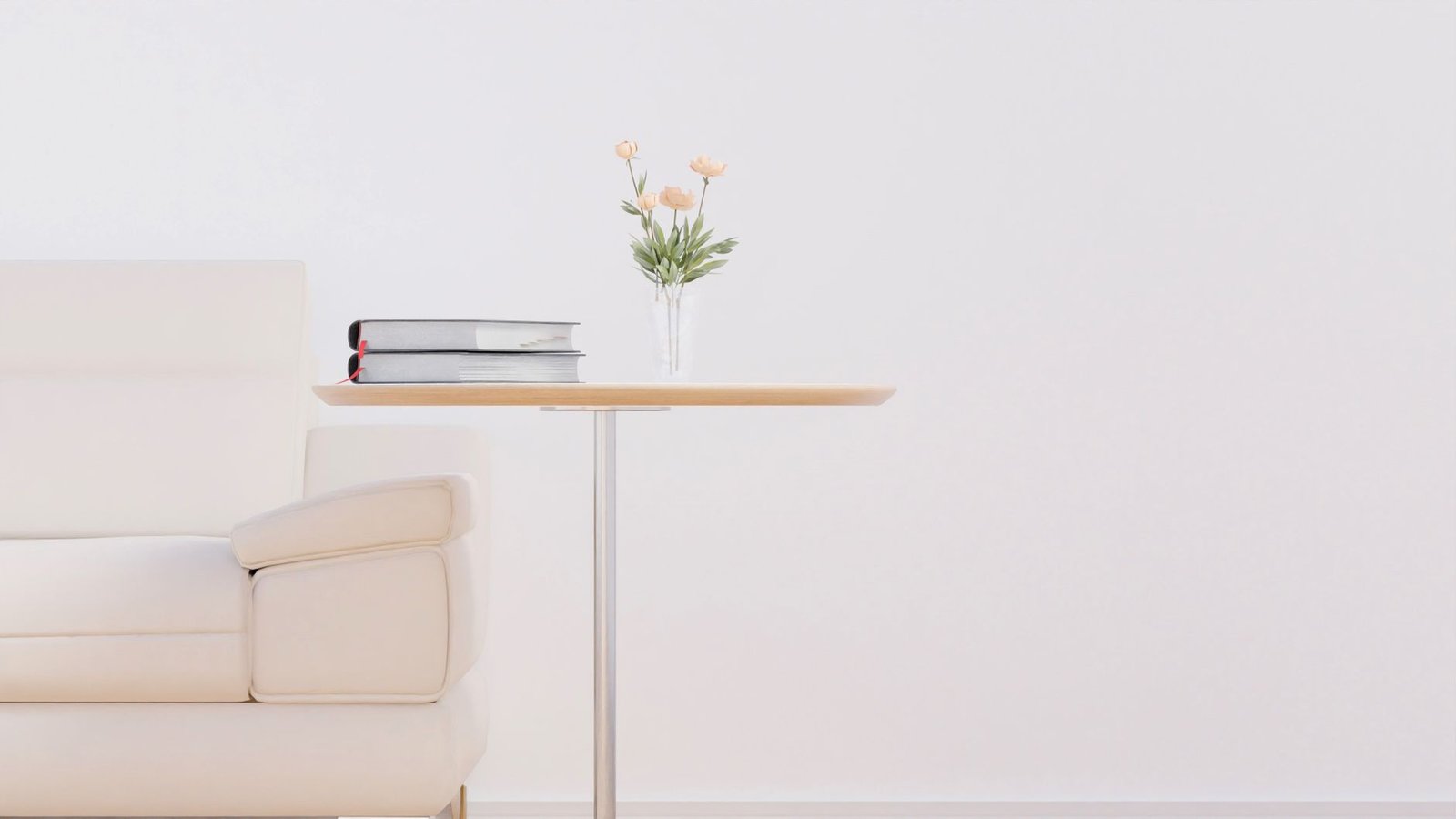
Creating a serene and clutter-free living space remains a paramount desire for homeowners in 2026. Minimalist interior design offers a clear pathway to achieving this tranquility, focusing on intention, simplicity, and functionality. This article explores five essential minimalist design principles, demonstrating how their practical application can transform any residence into a calmer, more harmonious environment adapted for modern living.
1. Embrace Intentional Decluttering and Essentialism
At the core of minimalism lies the principle of essentialism: retaining only what is truly necessary and beautiful. In 2026, this translates into a meticulous approach to belongings, where every item serves a purpose or evokes joy. The resident is encouraged to audit possessions, letting go of redundancies and anything that does not contribute positively to the living experience.
Practical Application for 2026 Homes:
- Integrated Storage Solutions: Modern homes in 2026 increasingly feature seamless, built-in storage. Think wall-to-wall cabinetry that blends with the architecture, hidden compartments, and smart furniture with concealed storage. This trend keeps visual clutter at bay, allowing the space itself to breathe.
- Digital Decluttering: Beyond physical items, the minimalist homeowner considers digital clutter. Smart home systems and integrated interfaces reduce the need for multiple visible devices, centralizing controls and minimizing technological visual noise.
- Quality Over Quantity: The focus shifts from accumulating many items to investing in a few, high-quality pieces. These might include bespoke furniture crafted from sustainable, recycled composites or durable, ethically sourced woods, designed to last and be appreciated for their craftsmanship.
2. Cultivate a Thoughtful, Serene Color Palette
Color profoundly impacts mood and perception of space. Minimalist design prioritizes calm, neutral, and nature-inspired palettes that create a soothing backdrop for daily life. In 2026, this approach continues to evolve with a stronger emphasis on biophilic connections and sophisticated earthy tones.
Modern Material Developments and Trends:
- Nature-Inspired Hues: Soft greens, muted blues, warm greys, and various shades of off-white dominate. These palettes draw inspiration directly from natural landscapes, fostering a sense of peace and connection to the outdoors.
- Subtle Variances and Textural Colors: Rather than stark uniformity, 2026 trends lean towards subtle variations within a monochromatic scheme, achieved through textured paints or wall finishes. Natural pigments and dyes in textiles contribute to this organic feel.
- Strategic Accents: While the primary palette remains understated, carefully chosen accent colors, often deep jewel tones or rich terracotta, can be introduced through art, a single piece of furniture, or decorative objects, providing visual interest without overwhelming the senses.
3. Maximize Natural Light and Open Space
A hallmark of minimalist design is the generous use of natural light and the creation of expansive, uncluttered spaces. This principle enhances feelings of freedom, airiness, and contributes significantly to mental well-being. Modern architectural trends in 2026 further support this by integrating advanced technologies and flexible layouts.
Enhancing Openness in 2026:
- Large-Format Glazing: Homes increasingly feature floor-to-ceiling windows and expansive glass doors that blur the lines between indoors and outdoors. Electrochromic glass, which can dynamically adjust its tint, offers privacy and light control without the need for heavy curtains.
- Open-Concept Reinvented: While open-plan living remains popular, 2026 sees a nuanced approach. Modular, multi-functional furniture allows residents to redefine zones as needed. Transparent or semi-transparent partitions crafted from reeded glass or lightweight sustainable materials can offer subtle separation without impeding light flow.
- Unobstructed Pathways: Furniture placement is deliberately sparse and intentional, ensuring clear sightlines and easy movement throughout the home. This contributes to an immediate sense of order and calm.
4. Prioritize Quality, Craftsmanship, and Durability
The minimalist philosophy advocates for owning fewer items, but those items should be of exceptional quality, built to last, and aesthetically pleasing. This principle aligns perfectly with the growing consumer demand for sustainability and responsible consumption in 2026, where the circular economy influences design choices.
Investing Wisely in 2026:
- Artisan and Bespoke Pieces: Homeowners are increasingly seeking out furniture and decor items crafted by skilled artisans. These pieces, often custom-made, resonate with individual style and offer unparalleled durability and character. Materials like responsibly sourced solid wood, recycled metals, and high-performance natural fabrics (hemp, organic cotton, linen) are favored.
- Longevity and Repairability: A key trend is the design for longevity. Furniture is selected not just for its initial appeal but for its potential to be repaired, refinished, or repurposed, reducing waste and supporting a more sustainable lifestyle.
- Timeless Design: Trends come and go, but timeless design endures. Minimalist choices in 2026 emphasize clean lines, classic forms, and neutral materials that will remain elegant for years, avoiding faddish elements.
5. Incorporate Texture and Organic Forms with Intention
To prevent minimalist spaces from feeling sterile, introducing varied textures and organic forms is crucial. These elements add depth, warmth, and visual interest without introducing clutter, creating a rich sensory experience that is inherently calming. The 2026 aesthetic favors natural and tactile surfaces.
Adding Depth and Warmth:
- Tactile Surfaces: Natural materials like raw wood with visible grain, polished concrete, textured plaster, and various natural stones (travertine, marble) are popular choices for their inherent tactility. Textiles such as boucle, linen, wool, and jute add softness and visual warmth.
- Organic Shapes: The prevalence of rigid, sharp angles is softening. Curved lines, soft edges, and rounded forms in furniture, mirrors, and decorative objects are gaining prominence, echoing shapes found in nature and promoting a more fluid, comforting aesthetic.
- Subtle Patterns: While bold patterns are generally avoided, subtle, geometric, or naturalistic patterns can be introduced through woven rugs, ceramic tiles, or discreet wall treatments, adding a layer of complexity without disrupting tranquility. Reclaimed wood and bamboo offer inherent texture and unique patterns.
Adopting these five minimalist interior design principles allows the homeowner to curate a living environment that is not only visually appealing but also profoundly calming and functional for 2026 and beyond. By focusing on intentionality, quality, natural elements, and thoughtful design, a truly serene and supportive home can be created.