
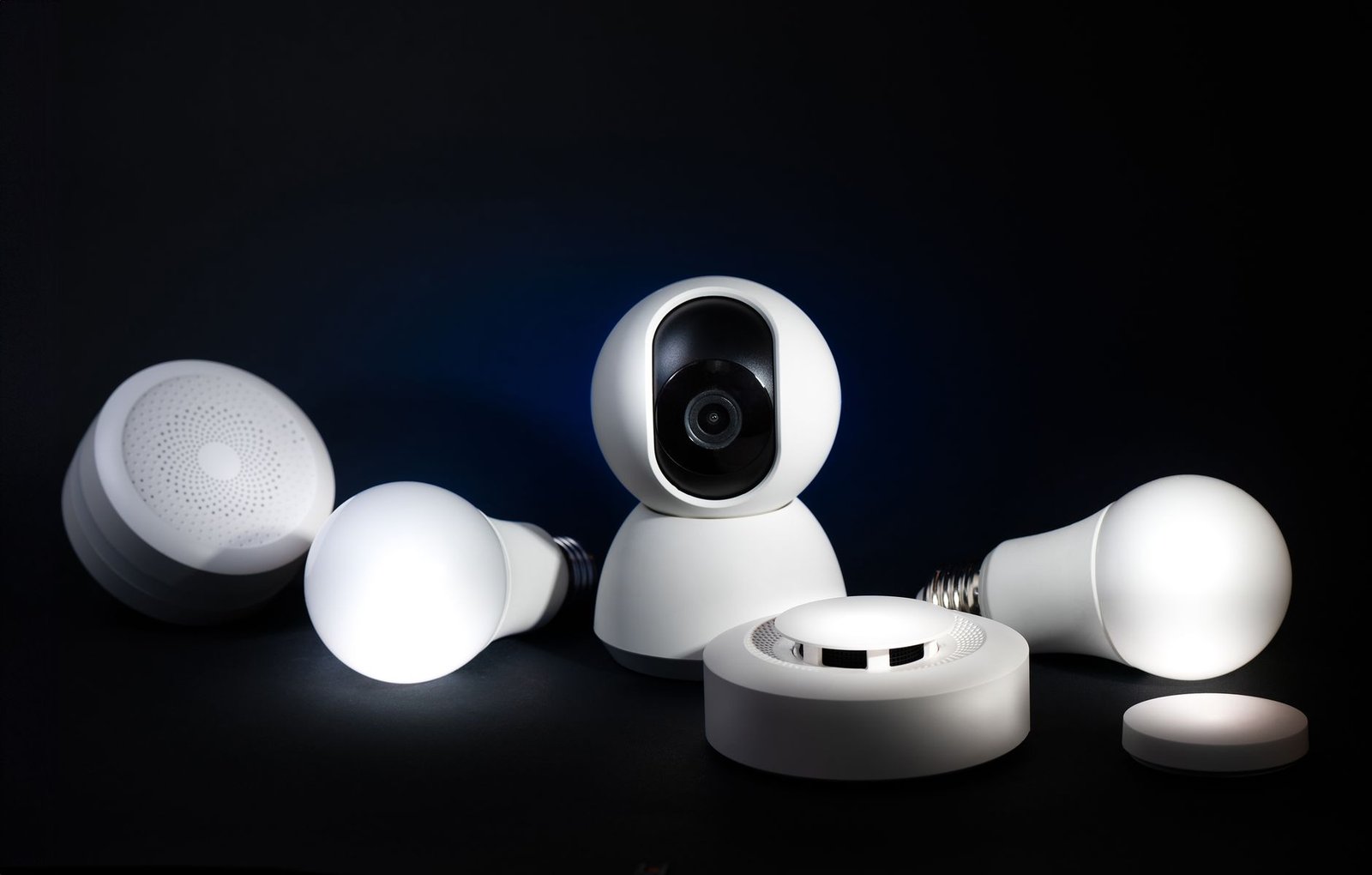
In 2026, securing a residence goes beyond traditional locks and alarms. Modern homeowners are increasingly leveraging advanced technology to create proactive deterrents against potential intruders. Smart lighting stands out as a particularly effective and often underestimated tool in this evolving landscape. By strategically deploying intelligent illumination, a property can significantly enhance its security profile and present a less appealing target for criminal activity, making it an indispensable component of any contemporary home defense strategy.
The Evolution of Home Security: Smart Lighting’s Role in 2026
The concept of home security has transformed dramatically. No longer a passive system reacting to a breach, 2026’s security solutions are designed for active deterrence. Smart lighting, deeply integrated into the broader smart home ecosystem, has moved past simple remote control. It now utilizes AI, machine learning, and advanced sensor technology to create dynamic, responsive environments that convincingly mimic human presence and activity.
Key trends in 2026 include highly efficient, long-lasting ultra-low energy LED filaments and advanced solid-state battery technology for wireless outdoor applications. The prevalence of Matter and Thread protocols ensures seamless interoperability between lighting systems and other smart home devices, allowing for unified and robust security automation. Edge computing capabilities within smart hubs also mean faster, more reliable responses, reducing dependence on cloud connectivity for critical security functions.
Implementing the 5 Smart Lighting Tricks
1. Automated Presence Simulation
One of the most effective deterrents is the illusion of occupancy. Smart lighting systems in 2026 offer sophisticated scheduling capabilities, allowing the resident to program lights to turn on and off in various rooms at irregular intervals. This avoids predictable patterns that could signal an empty home. Advanced AI-driven systems go a step further, learning the household’s typical lighting routines and autonomously replicating them. For example, lights might turn on in the living room in the evening, move to the kitchen, and later illuminate a bedroom, reflecting genuine movement within the property. The integration of predictive algorithms ensures these simulations are increasingly realistic, adapting to local sunrise/sunset times and even seasonal changes.
2. Motion-Activated Exterior Illumination
Exterior lighting is a critical first line of defense. Motion-activated smart lights, particularly those equipped with advanced sensor technology, provide an immediate and startling deterrent. In 2026, many systems incorporate Lidar-based precise motion detection, differentiating between a small animal and a human approaching the property. The sudden burst of bright, adaptive illumination not only exposes potential intruders but can also be linked to smart security cameras, triggering recordings and sending alerts to the homeowner’s device. Solar-powered options, now featuring robust solid-state batteries, offer reliable performance without complex wiring, even in remote areas of the property.
3. Dynamic Scene Creation and Vacation Mode
Beyond simple on/off schedules, smart lighting allows for the creation of ‘scenes’ that simulate a truly occupied home. A ‘movie night’ scene could involve dimming living room lights and accentuating entertainment areas, while a ‘dinner party’ scene might illuminate a dining room and kitchen. Many smart lighting platforms offer a dedicated ‘vacation mode’ that automatically cycles through a variety of these pre-programmed scenes, randomizing timings and brightness levels to create a highly convincing illusion of an active household. This dynamic approach is far more persuasive than static timers. Future iterations are even exploring holographic light projection within windows to simulate internal movement or the glow of a television, adding another layer of realism.
4. Integrated Security Ecosystems
The true power of smart lighting for security lies in its integration with other smart home devices. Using platforms that support Matter and Thread protocols, smart lights can be programmed to react in concert with other sensors. For instance, if a smart door sensor detects an unexpected opening, not only can an alarm sound, but all internal and external lights can flash brightly, disorienting an intruder and drawing immediate attention. Similarly, integration with smart cameras means that when motion is detected, lights can illuminate the area, improving camera visibility and potentially capturing clearer footage. Edge computing capabilities within modern smart hubs ensure these integrated responses are near-instantaneous and highly reliable.
5. Exterior Landscape Layering for Deterrence
Landscape lighting serves a dual purpose: enhancing curb appeal and bolstering security. By layering different types of smart exterior lights, homeowners can eliminate dark spots and create an unwelcoming environment for intruders. Pathway lights, uplights on architectural features, and accent lights on shrubs can all be strategically placed. In 2026, unobtrusive micro-LEDs embedded directly into pathways or smart planters with integrated, adaptive lighting offer sophisticated, seamless solutions. These lights can be programmed to respond to specific triggers or operate on a randomized schedule, ensuring the perimeter is always well-lit and monitored. The combination of aesthetic appeal and proactive security makes landscape lighting an intelligent investment.
Future-Proofing Home Security with Lighting
The integration of smart lighting into a comprehensive home security strategy offers unparalleled advantages. It provides active, dynamic deterrence that adapts to changing circumstances, leveraging the latest advancements in AI, sensor technology, and interoperability protocols. By implementing these five smart lighting tricks, homeowners can significantly enhance the safety and security of their property, creating a more resilient and less vulnerable environment for 2026 and beyond. Proactive use of intelligent illumination is not just about convenience; it’s a fundamental pillar of modern domestic comfort and peace of mind.