Optimizing a small laundry room can significantly enhance household efficiency and reduce clutter. The year 2026 brings forth a confluence of innovative design principles, advanced material science, and smart technology, offering ingenious solutions for even the most compact utility spaces. This article presents nine expert-approved strategies to maximize functionality and aesthetic appeal in small laundry environments, ensuring every inch serves its purpose effectively.
Maximizing Vertical Space: Elevating Storage Solutions
In smaller rooms, verticality becomes the paramount resource. Leveraging walls and ceilings for storage frees up valuable floor space, transforming previously unused areas into functional zones. The design trends for 2026 emphasize sleek, integrated solutions that blend seamlessly into the room’s aesthetic while providing robust organizational capacity.
1. Smart Floating Shelves and Wall-Mounted Units
- Modular Design: Modern floating shelves and wall-mounted cabinet systems are increasingly modular, allowing residents to customize configurations precisely to their needs. These units, often crafted from sustainably sourced engineered wood or recycled composites, offer lightweight yet sturdy platforms for detergents, fabric softeners, and linens.
- Transparent Storage: A growing trend involves transparent acrylic or recycled PET wall-mounted containers. These allow for quick visual identification of contents, reducing time spent searching and contributing to a minimalist, uncluttered appearance.
- Integrated Lighting: Some 2026 models feature integrated LED strip lighting, improving visibility and adding a sophisticated touch to the storage area.
2. Over-the-Door Organizers for Hidden Utility
- Multi-Pocket Systems: The versatility of over-the-door organizers has evolved. Current designs feature robust, multi-pocket fabric or mesh systems, ideal for storing smaller items like stain removers, lint rollers, or even clean socks awaiting pairing.
- Adjustable Hooks: Advanced models now incorporate adjustable hooks and baskets, providing flexibility for items of varying sizes, from cleaning tools to laundry bags. Materials often include durable, washable polyester or recycled plastics.
3. Stackable Appliances with Integrated Storage
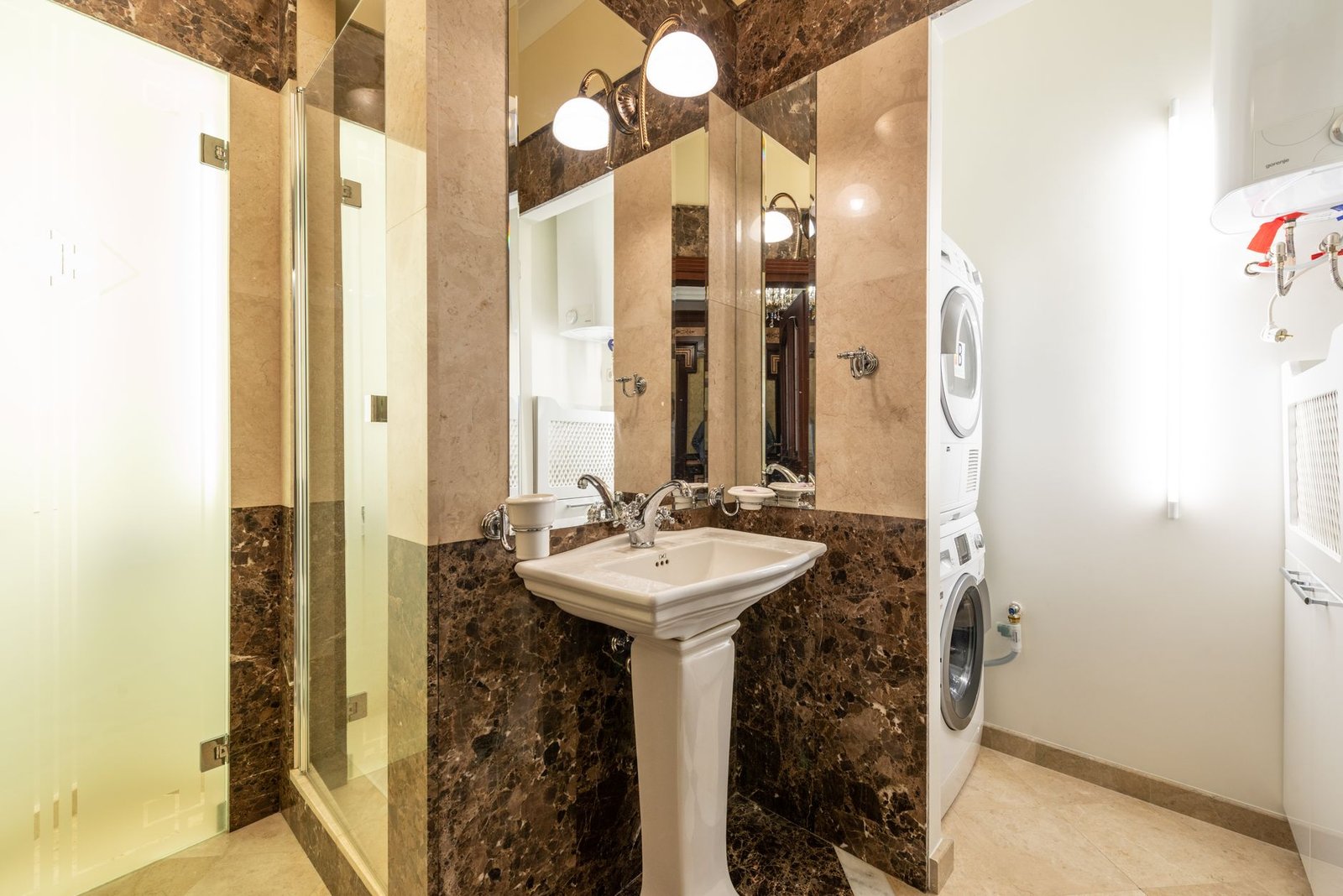
- Space-Saving Stacks: For many small laundry rooms, the primary space consumer is the washer and dryer. Stackable units remain a cornerstone, but 2026 innovations include models with integrated pull-out drawers between the machines, offering discrete storage for laundry pods or dryer sheets.
- Smart Pedestals: Elevated pedestals for washers and dryers are common, but new designs incorporate larger, soft-close drawers for bulky items like laundry baskets or less frequently used cleaning supplies. Some pedestals even feature smart sensing capabilities that alert the homeowner when full.
Smart Storage Solutions and Materials for Enhanced Efficiency
Beyond vertical expansion, the smart integration of innovative storage mechanisms and cutting-edge materials plays a crucial role in optimizing small laundry spaces. The focus for 2026 is on solutions that are both highly functional and aesthetically pleasing, utilizing durable and eco-conscious resources.
4. Pull-Out Cabinets and Integrated Hamper Systems
- Concealed Convenience: Custom pull-out cabinets, especially those with soft-close mechanisms, are paramount for maintaining a tidy appearance. These can house tall bottles, ironing sprays, or even a hidden ironing board.
- Built-In Sorting: Modern designs frequently incorporate integrated hamper systems within cabinetry. These often feature multiple compartments for pre-sorting darks, lights, and delicates, made from breathable, antimicrobial fabrics like bamboo-derived rayon or recycled synthetics.
5. Foldable Drying Racks and Hidden Ironing Boards
- Wall-Mounted Innovations: Wall-mounted, accordion-style drying racks made from treated aluminum or lightweight bamboo are trending. These fold flush against the wall when not in use, disappearing almost entirely.
- Cabinet-Integrated Boards: Ironing boards that retract into shallow drawers or fold down from a wall cabinet are gaining popularity. These save significant space and keep the utility area clutter-free. New models often feature heat-resistant, recycled fabric covers.
6. Multi-Functional Furniture and Mobile Carts
- Task-Oriented Furniture: A sturdy countertop above front-loading machines can double as a folding station. When possible, residents can opt for a custom-built unit with integrated drawers.
- Versatile Carts: Slim, wheeled utility carts with multiple tiers, often constructed from powder-coated steel or durable recycled plastic, provide mobile storage for detergents, lint bins, and even small mending kits. Their mobility allows them to be tucked away or brought out as needed.
Tech Integration and Ergonomics: A Future-Forward Laundry Experience
The 2026 laundry room is not just about storage; it’s about intelligent design that minimizes effort and maximizes comfort. Technology and ergonomic principles are increasingly interwoven into organizational strategies, creating a seamless and user-friendly experience.
7. Smart Dispensers and Digital Labeling Systems
- Automated Dosing: Automated detergent and fabric softener dispensers, often integrated into smart washing machines or as standalone units, reduce mess and ensure precise dosing, preventing overuse and waste. These systems can be refilled with bulk eco-friendly concentrates.
- RFID and NFC Tagging: For larger households or commercial settings, RFID or NFC-based labeling systems can help track laundry items, ensuring they return to the correct owner or location, and managing inventory of supplies efficiently.
8. Optimized Lighting and Ventilation Systems
- Integrated LED Solutions: Good lighting is crucial in a small space. Slim, energy-efficient LED strip lighting under shelves or inside cabinets illuminates work surfaces without adding bulk. Motion-activated options further enhance convenience.
- Smart Ventilation: Advanced smart fans with humidity sensors are now common, automatically activating to prevent moisture buildup and mold, particularly vital in windowless laundry rooms. Many units are remarkably quiet and energy-efficient.
9. Ergonomic Access and Accessibility Features
- Raised Appliance Platforms: Beyond simple pedestals, some designs incorporate custom-built platforms that raise appliances to a comfortable working height, reducing bending and back strain for the user. These can also house additional storage drawers.
- Open Shelving for Quick Access: While concealed storage is vital for clutter, a well-placed section of open shelving at eye level allows for immediate access to frequently used items, like a favorite stain remover or a fresh stack of towels. This balances visual accessibility with overall tidiness.
By implementing these nine genius organization ideas for 2026, homeowners can transform even the most cramped laundry areas into highly efficient, aesthetically pleasing, and technologically advanced spaces. The thoughtful integration of vertical solutions, smart materials, and ergonomic design principles ensures a streamlined laundry routine, contributing significantly to overall domestic comfort and organization.