
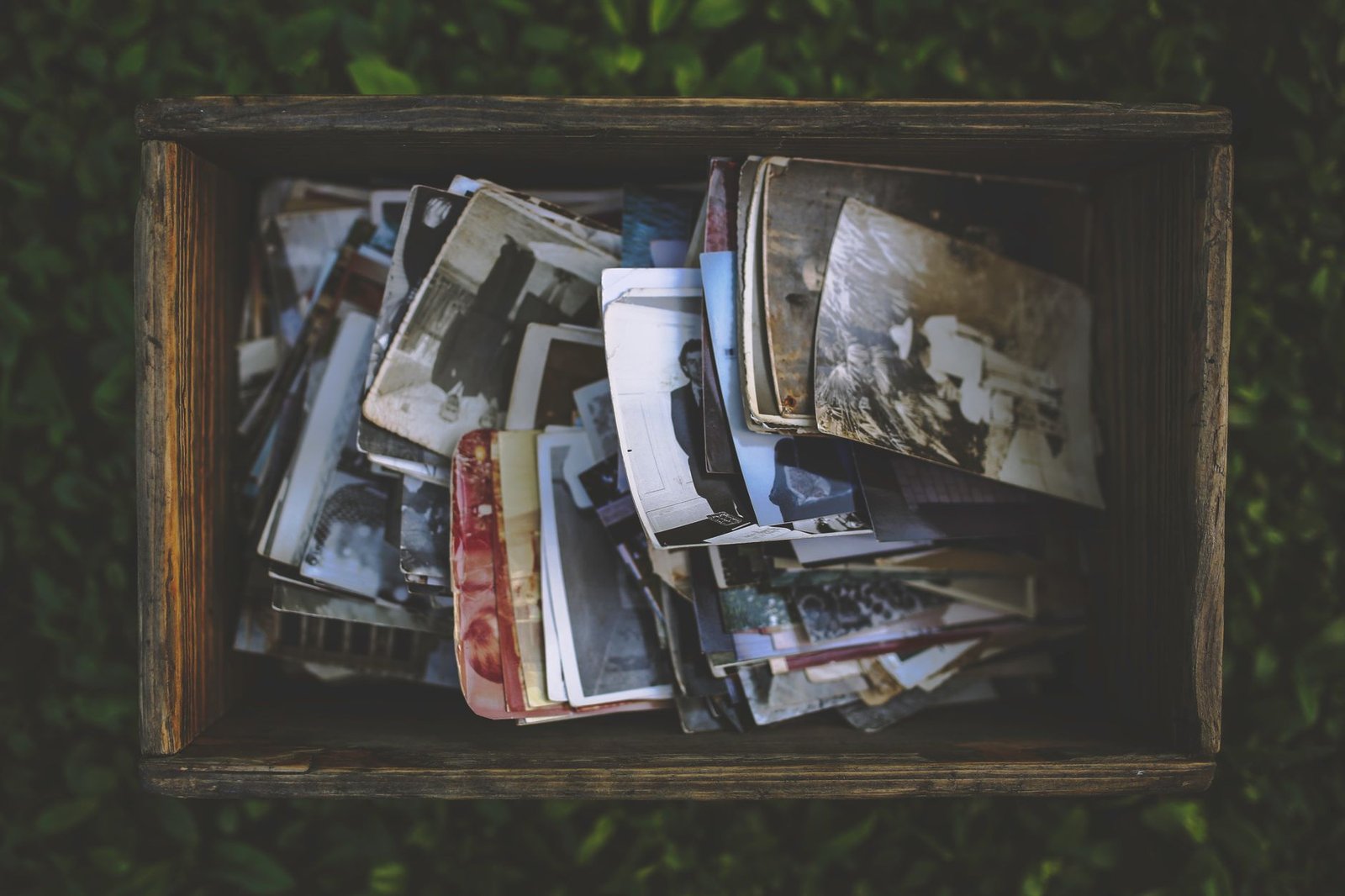
For many, sentimental items represent cherished memories, life milestones, and connections to loved ones, yet these precious mementos can quickly transform into overwhelming clutter. Organizing sentimental items without discarding everything requires a thoughtful approach that balances preservation with functional living. This guide presents seven clever strategies to sort, store, and display these significant possessions, ensuring a comfortable and well-ordered environment for any homeowner.
Understanding the Emotional Connection: A Foundation for Organization
The accumulation of sentimental belongings often stems from a deep emotional attachment, making traditional decluttering methods feel insensitive or even distressing. It is important to acknowledge the intrinsic value these items hold. The goal is not to eliminate history, but to integrate it harmoniously into the living space. By understanding the ‘why’ behind keeping certain items, a more empathetic and effective organization strategy can be developed.
The Value of Thoughtful Curation
Thoughtful curation involves a process of selection and arrangement that honors the past while supporting present-day living. It encourages the resident to consider which items truly resonate, tell a story, or evoke strong positive emotions. This selective approach ensures that only the most significant pieces are retained, allowing them to be appreciated rather than buried in a pile of forgotten memories. Establishing clear criteria for what warrants a permanent place, a temporary spot, or digital archiving is a crucial first step.
Strategic Solutions for Preserving Memories
Integrating cherished items into a home requires creativity and an understanding of modern organizational tools and aesthetics. The following seven methods offer practical pathways to manage sentimental collections effectively.
Method 1: Digital Archiving and Curation
In 2026, advanced digital solutions offer unparalleled opportunities for preserving memories without physical space consumption. High-resolution scanning services can transform old photos, letters, and children’s artwork into pristine digital files. Specialized software, often leveraging AI for intelligent tagging and organization, helps categorize and create digital scrapbooks or timelines. Secure cloud storage with enhanced privacy protocols ensures these memories are safe and accessible from anywhere. For video footage or audio recordings, cloud-based platforms provide robust backup and sharing capabilities. This method significantly reduces physical volume while preserving the essence of the item.
Method 2: Elevated Display as Art
Instead of storing items away, many sentimental pieces can be integrated into home decor as artistic displays. Shadow boxes, for instance, are ideal for showcasing small collections like antique jewelry, baby shoes, or ticket stubs, protecting them from dust while making them visible. Wall-mounted display cases with built-in LED lighting can highlight larger artifacts. Modern interior design favors minimalist presentation, often using clear acrylic stands or floating shelves to feature a single, impactful item. Consideration should be given to UV-protective glass or coatings for items susceptible to fading, a common feature in contemporary display solutions.
Method 3: Themed Memory Boxes and Time Capsules
For items that are too numerous or fragile for open display, themed memory boxes provide an organized and protective solution. These could be dedicated to specific events (e.g., ‘Wedding Day Memories’), individuals (‘Grandparent’s Keepsakes’), or life stages (‘Childhood Treasures’). Labeling these boxes clearly, perhaps with a decorative label maker, aids in future retrieval. For long-term preservation, consider archival-quality, acid-free storage boxes, which are becoming more accessible and are often made from sustainable, recycled materials. A ‘time capsule’ approach can also be adopted for future generations, sealing specific items with a future date for opening.
Method 4: Utilizing Smart Storage Furniture
The furniture industry in 2026 offers sophisticated solutions for integrated storage. Ottomans with hidden compartments, coffee tables with lift-top storage, and built-in shelving units seamlessly blend functionality with design. Modular storage systems made from sustainable materials like bamboo composites or recycled plastics can be customized to fit specific spaces and needs. Some advanced units even incorporate smart features like integrated charging ports or low-profile LED lighting. For items that need tracking, a resident could utilize small RFID or NFC tags on storage containers, allowing for quick digital inventory via a smartphone application.
Method 5: Rotating Collections and Seasonal Swaps
Not every cherished item needs to be on display simultaneously. A rotating collection strategy allows for periodic changes, keeping the decor fresh and preventing visual clutter. A resident can select a few items to display for a season or a few months, then swap them out with other pieces from their curated collection. The items not on display can be safely stored in designated, easily accessible storage areas, such as a climate-controlled closet or a clearly labeled drawer. This method ensures that all beloved items get their moment to shine without overwhelming the living space.
Method 6: Functional Integration
Where possible, integrate sentimental items into everyday functionality. For example, a beloved antique quilt can be repurposed as a decorative throw blanket (if its condition allows). An old suitcase can become a stylish side table with internal storage. Vintage books can be arranged on shelves as part of an intellectual display. This method requires creativity but transforms potentially decorative-only items into useful elements of the home, giving them a renewed purpose and visibility.
Method 7: Heirloom-Quality Storage Solutions
For truly irreplaceable items, investing in heirloom-quality storage is paramount. This includes custom-built cabinetry, cedar chests, or acid-free garment bags for textiles. Modern material developments include advanced composite materials that offer superior protection against humidity, pests, and light degradation, often with low-VOC finishes for indoor air quality. Solid wood furniture, particularly from reclaimed or sustainably harvested sources, can provide beautiful and durable storage for generations. These solutions protect the items while adding to the aesthetic value of the home.
Sustaining an Organized Environment
The process of organizing sentimental items is not a one-time event but an ongoing practice. Regular attention ensures that the initial effort maintains its integrity and continues to serve the resident’s needs.
Regular Review and Reassessment
Periodically, perhaps annually, it is beneficial for the homeowner to review their sentimental collections. This reassessment allows for a fresh perspective on what truly resonates and whether current storage or display methods remain effective. Life changes, tastes evolve, and new memories are made, necessitating adjustments to one’s curated collection. This practice helps prevent new sentimental clutter from accumulating and reinforces the commitment to a balanced, comfortable living space where memories are honored without overwhelming the present.
By thoughtfully implementing these strategies, any resident can transform a potentially overwhelming collection of sentimental items into an organized, cherished part of their home. The goal is to create a living environment that celebrates personal history while maintaining comfort, functionality, and aesthetic appeal.