
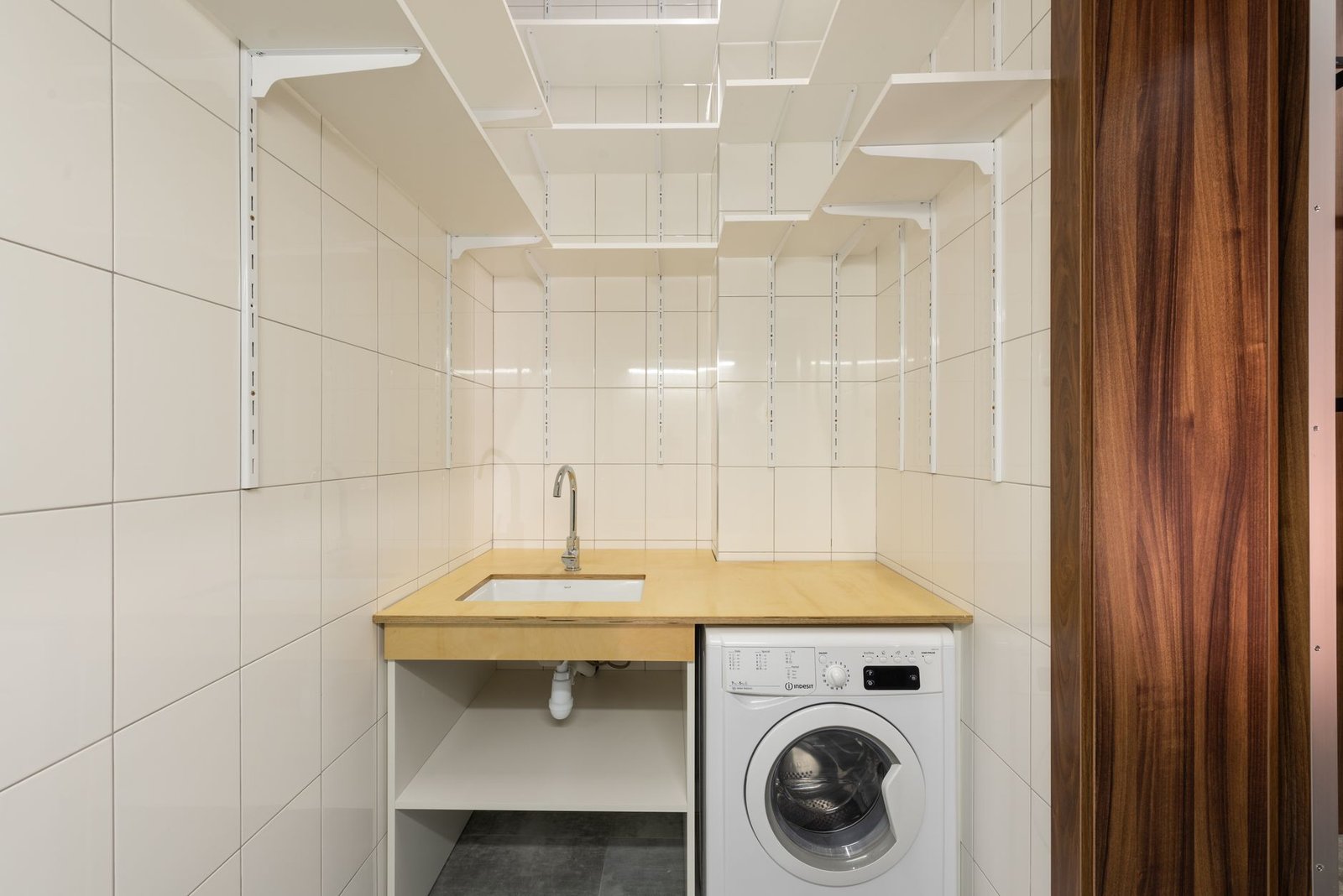
A well-organized utility closet is a cornerstone of domestic efficiency, significantly streamlining household chores and maintaining an orderly living environment. Achieving peak organization in 2026 involves a strategic blend of decluttering, clever storage solutions, and the integration of modern materials and smart technologies to maximize every inch of available space. This guide outlines seven ingenious methods for transforming a utility closet into a highly functional and easily accessible hub for cleaning supplies and household essentials.
Foundation First: Comprehensive Decluttering and Inventory
Before implementing any new organizational system, a thorough decluttering process is essential. The resident should begin by removing every item from the utility closet. This allows for a clear assessment of what is truly needed and what has expired or is no longer functional. Any cleaning products past their efficacy, broken tools, or items that have not been used in the past year should be discarded or donated. Following this, a comprehensive inventory of all remaining items provides a clear picture of storage requirements.
Maximize Vertical Space with Smart Modular Systems
Vertical space often remains underutilized. In 2026, the emphasis is on smart, modular shelving systems constructed from lightweight, high-strength composite materials or recycled polymers. These systems allow for adjustable shelf heights, catering to items of varying dimensions. An over-the-door organizer, ideally one featuring mesh pockets or clear compartments made from durable, breathable fabrics, can provide invaluable additional storage for smaller items like sponges, gloves, or rags. Wall-mounted racks for mops, brooms, and dustpans free up floor space, preventing clutter and making vacuuming easier.
Ergonomic Pull-Out Solutions
For deeper closets, pull-out drawers or sliding shelves are transformative. Modern designs often incorporate smooth-gliding tracks and soft-close mechanisms, enhancing accessibility without requiring the user to reach awkwardly into the back of the closet. These solutions are particularly effective for heavy detergents or bulkier cleaning supplies, ensuring effortless retrieval and replacement.
Zone Planning for Logical Grouping
Implementing a zone-based organizational strategy enhances functionality and reduces search time. Grouping similar items together creates intuitive storage areas. For example, one zone can be dedicated to floor care (mops, buckets, floor cleaners), another to surface cleaning (sprays, cloths), and a third to laundry essentials. This systematic approach ensures that all related items are housed together, making task execution more efficient for the homeowner.
Leverage Advanced Storage Containers and Labeling
The choice of storage containers significantly impacts organization. Clear, stackable bins made from durable, BPA-free recycled plastics are ideal for visible inventory management. In 2026, smart labeling solutions are gaining prominence; consider waterproof, erasable labels or even QR code labels that link to a digital inventory for expiration dates or reorder alerts. Uniformity in container style contributes to a visually cohesive and less cluttered appearance. Drawer dividers within containers or on shelves keep smaller items like scrub brushes and sponges neatly separated.
Eco-Conscious Material Choices
As sustainability remains a critical trend, opting for containers made from post-consumer recycled content or biodegradable materials aligns with modern environmental values. Manufacturers are increasingly offering robust yet eco-friendly alternatives to traditional plastic.
Specialized Holders for Tools and Equipment
Mops, brooms, and vacuums often present storage challenges. Wall-mounted broom grippers, often featuring advanced polymer teeth for secure holding, are highly effective. For vacuum cleaners, particularly robot vacuums or stick models, dedicated wall mounts or charging stations optimize floor space. Magnetic strips can be installed inside the closet door or on a wall for holding metal-handled brushes, small tools, or spray bottles, keeping them off shelves and within easy reach.
Integrated Lighting and Enhanced Accessibility
Proper lighting is crucial for visibility within a utility closet. Battery-operated, motion-sensor LED lights are an excellent 2026 solution, illuminating the space only when needed, thus conserving energy. These can be easily affixed to shelves or the ceiling. Furthermore, ensuring that frequently used items are stored at eye level and within easy reach minimizes strain and maximizes daily convenience for the resident. Consider a small, foldable step stool if the closet extends to higher storage points, made from lightweight, durable aluminum alloys.
Embrace Digital Inventory and Smart Home Integration
For the tech-savvy homeowner, digital inventory management is a burgeoning trend in 2026. Simple smartphone apps can track cleaning supplies, noting quantities and reorder points. Some smart home systems can even integrate with QR codes on containers to automate reorder lists or alert the user when supplies are running low. This predictive approach ensures that essentials are never depleted unexpectedly, maintaining peak household efficiency.
By adopting these seven genius strategies, any utility closet can be transformed from a chaotic storage area into an exceptionally efficient, highly organized space. The integration of modern materials, ergonomic designs, and smart technologies ensures that the system is not only effective for today but also resilient and adaptable for the evolving needs of the contemporary home in 2026 and beyond. An organized utility closet contributes significantly to the overall comfort and seamless operation of the household.