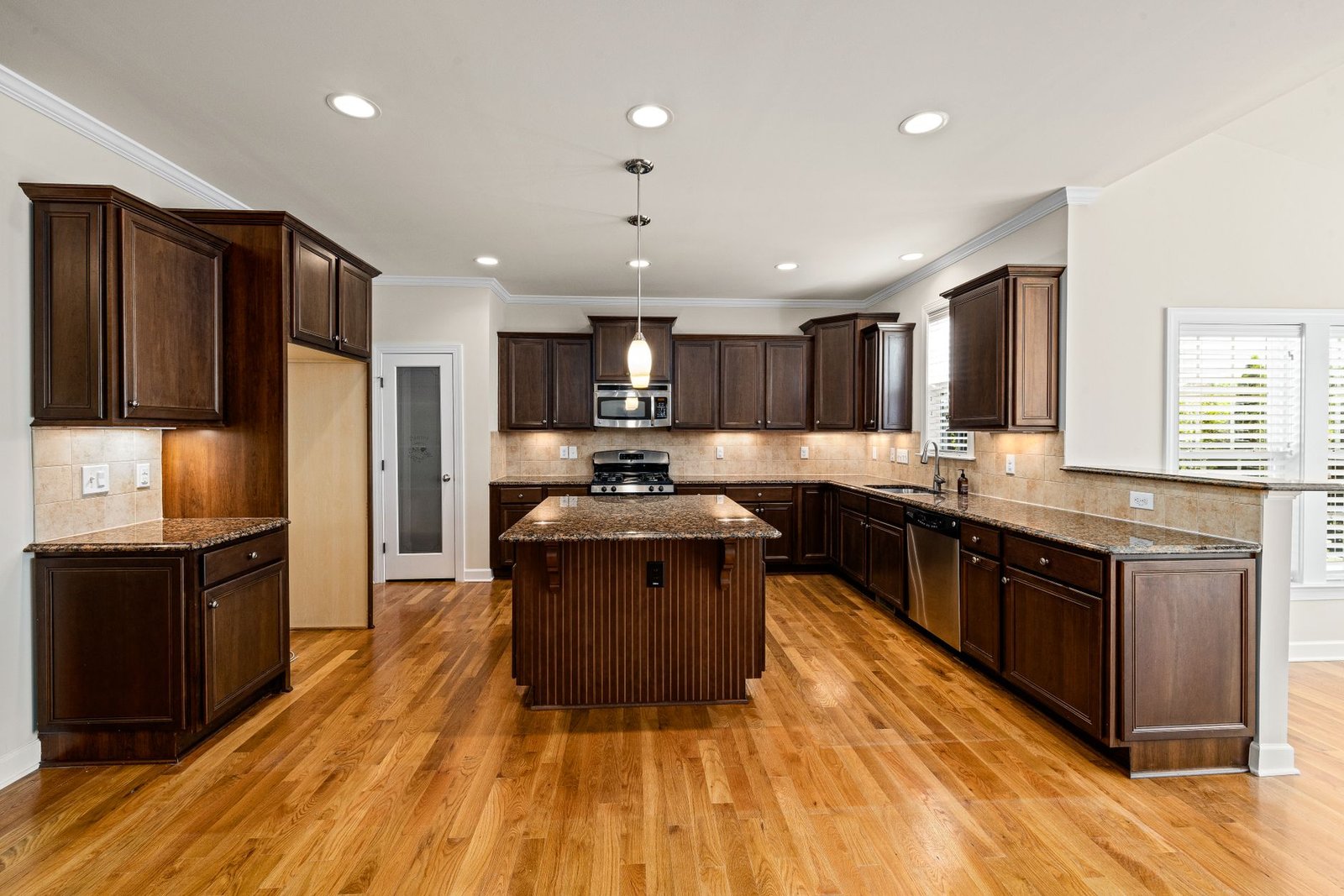
In 2026, selecting the ideal kitchen flooring presents a nuanced decision, particularly when comparing two dominant materials: traditional hardwood and modern luxury vinyl plank (LVP). For residents seeking to enhance their culinary spaces, understanding the evolving landscape of these options is crucial. While hardwood offers timeless elegance and inherent warmth, LVP continues to impress with its advanced durability and practical benefits. Ultimately, the superior choice for a kitchen in 2026 hinges on a homeowner’s specific priorities regarding resilience, aesthetic preference, maintenance commitment, and budget.
Hardwood Flooring in 2026: Enduring Appeal and Evolving Considerations
Hardwood flooring has long been celebrated for its natural beauty and ability to add significant value to a property. In 2026, its appeal remains strong, though its suitability for the kitchen environment requires careful consideration of modern material advancements and lifestyle demands.
Durability
Modern hardwood finishes in 2026 incorporate advanced technologies, such as ceramic-infused polyurethanes and aluminum oxide topcoats, significantly enhancing resistance to scratches and daily wear. Engineered hardwood constructions are also more stable against humidity fluctuations than solid planks. However, hardwood remains susceptible to dents from dropped heavy objects, a common occurrence in kitchens. While the ability to refinish hardwood every decade or so offers remarkable longevity, preserving its appearance necessitates proactive care.
Water Resistance
This remains hardwood’s primary vulnerability in a kitchen setting. Even with improved finishes and more stable engineered cores, standing water or prolonged exposure to moisture can lead to warping, cupping, or even rot. Immediate cleanup of spills is imperative for any resident opting for hardwood in this high-moisture zone. Innovations in 2026 have not entirely overcome this fundamental limitation, making it a critical factor for kitchens where spills are frequent.
Aesthetics
The inherent beauty of natural wood is unparalleled. In 2026, trends lean towards wider planks, lighter, natural wood tones, and matte or wire-brushed finishes that highlight the wood’s organic texture. Hardwood offers an authentic warmth and richness that is difficult for synthetic materials to replicate entirely. Its ability to create a cohesive flow from adjacent living areas further enhances its aesthetic desirability.
Cost
Hardwood typically represents a higher initial investment in terms of material and professional installation. While its long lifespan and potential to be refinished offer long-term value, the upfront expenditure can be substantial. Homeowners should also factor in the potential cost of professional refinishing every 10-15 years, which, while extending the floor’s life, adds to its total cost of ownership.
Maintenance
Maintaining hardwood in a kitchen involves regular sweeping or vacuuming to remove abrasive grit. Damp mopping with manufacturer-recommended pH-neutral cleaners is essential, avoiding excessive water. Protective measures like rugs in high-spill areas and immediate attention to spills are necessary to preserve its integrity and appearance.
Luxury Vinyl Plank (LVP) in 2026: The Pinnacle of Practicality and Style
Luxury vinyl plank has transformed the flooring market, evolving significantly to become a formidable contender for any room, especially the kitchen. By 2026, LVP technology offers an impressive blend of aesthetics, durability, and practicality.
Durability
LVP’s multi-layer construction, typically featuring a durable wear layer, high-definition photographic print layer, and a robust core, makes it exceptionally resilient. Rigid core technologies, such as Stone Plastic Composite (SPC) and Wood Plastic Composite (WPC), are standard in 2026, providing superior impact resistance against dropped pots and pans, and excellent stability against temperature fluctuations. These advancements mean LVP can withstand heavy kitchen traffic without showing significant signs of wear or denting.
Water Resistance
This is where LVP truly excels for kitchen applications. Many high-quality LVP products available in 2026 are 100% waterproof, meaning they can withstand spills, splashes, and even minor flooding without swelling, warping, or delaminating. The waterproof core prevents moisture from penetrating, making it an ideal, worry-free choice for a high-moisture environment like the kitchen.
Aesthetics
Modern LVP utilizes advanced digital printing and embossing-in-register techniques to create incredibly realistic reproductions of natural wood grains, textures, and even bevels. In 2026, it is often challenging to distinguish high-end LVP from real hardwood without close inspection. The vast array of styles, colors, plank sizes, and patterns available allows residents to achieve virtually any desired aesthetic, from rustic farmhouse to sleek contemporary.
Cost
Generally, LVP offers a more budget-friendly option than hardwood, both in terms of material acquisition and installation. While premium LVP products can approach the lower end of hardwood pricing, the overall investment is typically lower, making high-end aesthetics more accessible to a broader range of homeowners.
Maintenance
LVP is renowned for its low maintenance requirements. Regular sweeping or vacuuming keeps it free of debris, and occasional damp mopping with a mild cleaner is usually sufficient to keep it looking pristine. There is no need for special polishes or waxes, and its waterproof nature simplifies spill cleanup immensely, contributing to a truly hassle-free experience for the resident.
Head-to-Head Comparison: Key Metrics for Kitchen Flooring in 2026
A direct comparison of hardwood and LVP for kitchen use highlights their respective strengths and weaknesses:
- Durability: LVP generally offers superior resistance to dents and scratches in a high-traffic kitchen due to its wear layer and rigid core. Hardwood, while durable in the long term through refinishing, is more susceptible to immediate impact damage.
- Water Resistance: LVP is the undisputed champion here, with many products being 100% waterproof, a critical feature for kitchens. Hardwood, even engineered versions, remains vulnerable to moisture damage.
- Aesthetics: Hardwood provides authentic, natural beauty and a unique character that evolves with age. LVP offers highly realistic wood aesthetics with vast design versatility and consistency, often indistinguishable from real wood at a glance.
- Cost: LVP typically boasts a lower upfront material and installation cost, making it a more economical choice. Hardwood represents a higher initial investment but can offer excellent long-term property value.
- Maintenance: LVP is significantly easier to clean and maintain, requiring less specialized care and offering peace of mind regarding spills. Hardwood demands more meticulous care and immediate attention to moisture.
Making the Decision: Factors for the Homeowner
The optimal choice between hardwood and LVP for a kitchen in 2026 ultimately depends on several factors specific to the resident’s needs and preferences:
- Lifestyle: For homes with active children, pets, or frequent cooking and entertaining, the superior water resistance and dent/scratch resistance of LVP often make it the more practical and worry-free choice.
- Budget: If upfront cost is a primary concern, LVP provides an excellent balance of aesthetics and performance at a more accessible price point.
- Aesthetic Priority: Residents who prioritize the authentic feel and natural character of real wood, and are prepared for its specific care requirements, may still lean towards hardwood for its unparalleled beauty and long-term resale value.
- Resale Value: While both can add value, traditional hardwood is often perceived as a premium upgrade that can positively influence resale value, particularly in certain architectural styles or luxury markets. However, high-quality, aesthetically pleasing LVP is increasingly recognized for its practical benefits and design versatility.
- Installation Context: The subfloor condition and existing flooring in adjacent rooms may also influence the decision, with LVP often being more forgiving for DIY installation or installation over existing hard surfaces.
Conclusion
In 2026, both hardwood and luxury vinyl plank flooring offer compelling attributes for kitchen environments. Hardwood maintains its status as a premium, aesthetically rich option for those who cherish authentic materials and are diligent with maintenance. Its enduring charm and refinishing capabilities provide significant long-term value. However, for the resident prioritizing ultimate practicality, superior water resistance, and ease of maintenance in a bustling kitchen, modern LVP, with its advanced realism and robust construction, presents an incredibly strong and often more suitable solution. The evolution of LVP technology means homeowners no longer need to compromise significantly on aesthetics to gain performance. The informed choice will align with the resident’s specific lifestyle, budget, and design aspirations for their kitchen space.