
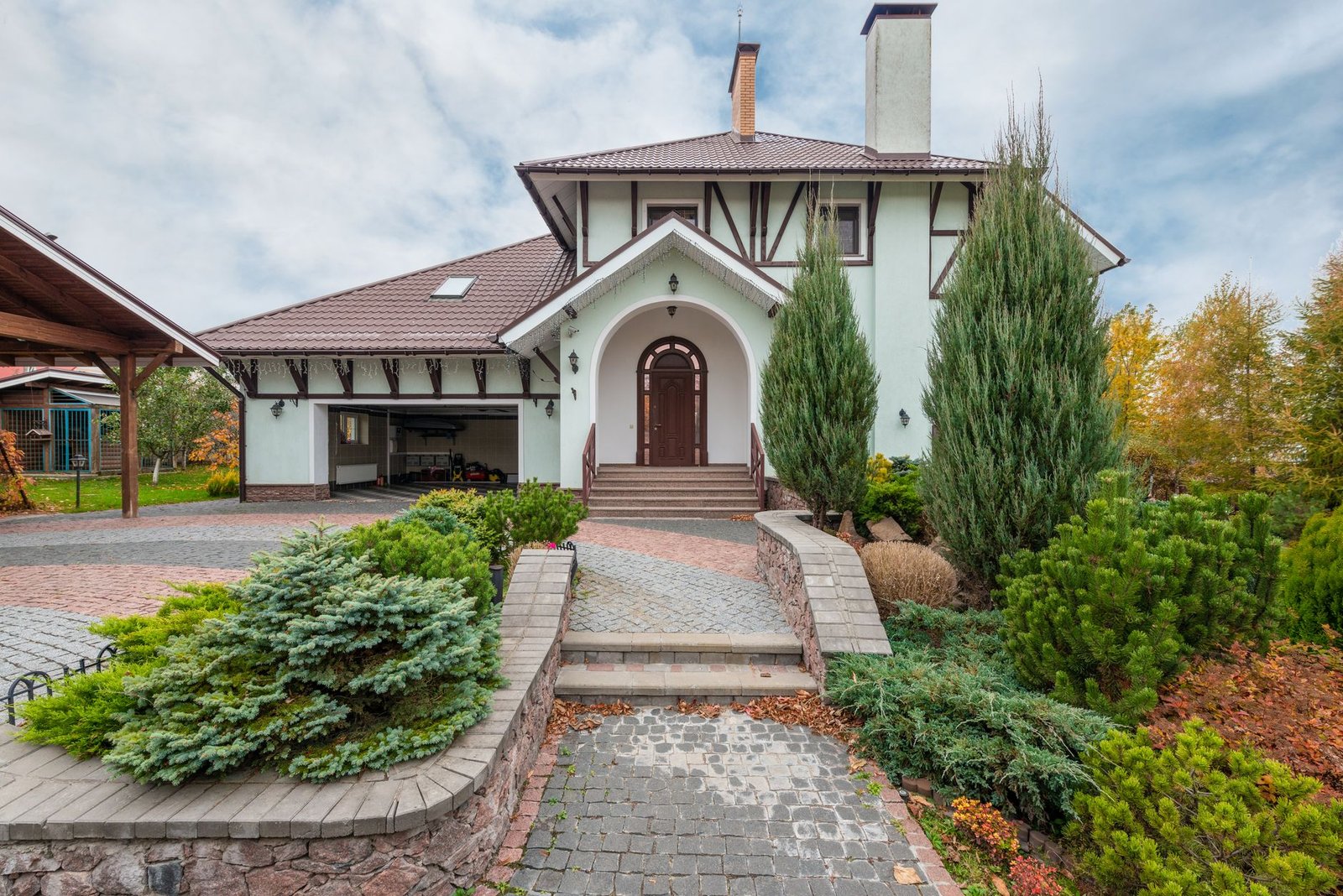
Achieving continuous curb appeal in 2026 requires strategic plant selection, focusing on resilience and minimal care. The landscape’s aesthetic impact significantly influences a property’s overall presentation and perceived value. For homeowners seeking enduring beauty without extensive upkeep, a curated list of seven low-maintenance shrubs provides continuous visual interest through all seasons, enhancing the home’s exterior appeal with sustainable practices.
Elevating Curb Appeal with Strategic Landscape Design
Curb appeal remains a pivotal aspect of home ownership, influencing first impressions and property value. In 2026, the emphasis has shifted towards landscapes that are not only beautiful but also sustainable, resilient, and manageable. Busy lifestyles necessitate plant choices that thrive with minimal intervention, yet deliver maximum visual impact. This approach conserves resources, reduces labor, and creates an inviting environment year-round.
Industry Trends and 2026 Landscape Innovations
The landscape industry in 2026 is heavily influenced by environmental consciousness, technological integration, and a desire for authentic, natural beauty. Drought-tolerant and native plant varieties are paramount, responding to evolving climate patterns and promoting biodiversity. Smart irrigation systems, often AI-integrated, optimize water usage, while advancements in soil science contribute to plant health with fewer inputs. Biophilic design principles, connecting indoor and outdoor spaces, are increasingly shaping residential landscapes. Material developments include permeable hardscaping for improved stormwater management and innovative, long-lasting mulches made from recycled materials, further supporting low-maintenance gardening.
The Seven Low-Maintenance Shrubs for Enduring Appeal
-
Dwarf Fothergilla (Fothergilla gardenii)
A deciduous shrub celebrated for its multi-seasonal interest. In spring, bottlebrush-like white flowers emerge before the leaves, offering a delicate fragrance. Its clean, blue-green foliage holds up well through summer, transitioning to spectacular shades of orange, red, and yellow in autumn. The bare winter branches provide a subtle architectural element. Dwarf Fothergilla is a native, highly adaptable, and generally pest-free choice, aligning perfectly with sustainable landscaping trends.
-
Inkberry Holly (Ilex glabra)
An excellent evergreen alternative to boxwood, Inkberry Holly, particularly cultivars like ‘Shamrock’ or ‘Gem Box’, provides dense, dark green foliage that retains its color through winter. It is a native North American shrub, making it a stellar choice for ecological landscaping. Small white flowers in spring are followed by inconspicuous black berries on female plants, providing winter interest and a food source for birds. It tolerates moist to wet soils but adapts well to various conditions, requiring minimal pruning to maintain its compact form.
-
Oakleaf Hydrangea (Hydrangea quercifolia)
Known for its bold texture and dramatic appeal, Oakleaf Hydrangea is a truly four-season shrub. Large, conical white flower clusters bloom in summer, often aging to pink or rose. Its distinct oak-shaped leaves turn brilliant shades of deep red, burgundy, and purple in autumn. In winter, the peeling, cinnamon-brown bark provides significant structural interest. This native shrub is notably drought-tolerant once established and disease-resistant, making it a robust choice for diverse climates.
-
Japanese Spirea (Spiraea japonica)
Cultivars such as ‘Little Princess’ or ‘Goldflame’ offer vibrant summer flowers and attractive foliage. ‘Little Princess’ features abundant pink flowers over compact green leaves, while ‘Goldflame’ boasts emerging coppery-red foliage that matures to green, then turns vivid orange and red in fall. These compact varieties require minimal pruning (often just deadheading to encourage rebloom) and are incredibly resilient to urban conditions, pests, and diseases, making them a consistently reliable choice for busy residents.
-
Compact Evergreen Azalea (Rhododendron spp.)
For year-round greenery and spectacular floral displays, select hardy, compact evergreen azaleas. Modern reblooming varieties, such as those from the Encore series, offer bursts of color in spring, summer, and fall, alongside their persistent green foliage. These varieties are bred for improved sun tolerance and disease resistance compared to older types. With proper site selection (acidic, well-drained soil) and mulching, they require little care beyond occasional feeding and light pruning after their main spring bloom.
-
Boxwood (Buxus sempervirens)
A classic for formal and informal designs, Boxwood continues to be a staple for its dense, evergreen foliage that offers consistent structure. Cultivars like ‘Green Mountain’ for pyramidal forms or ‘Green Velvet’ for rounded shapes are popular. Recent advancements have introduced blight-resistant varieties, addressing past concerns and ensuring its continued viability in 2026 landscapes. Boxwood responds well to shaping but also holds a natural form beautifully with minimal annual trimming, providing excellent winter interest and year-round green backdrops.
-
Ninebark (Physocarpus opulifolius)
A dynamic shrub known for its distinct foliage colors, attractive flowers, and exfoliating bark. Cultivars like ‘Tiny Wine’ or ‘Summer Wine’ feature deep burgundy or coppery-bronze leaves, offering continuous color. Clusters of white or pinkish-white flowers appear in late spring, followed by decorative red seed capsules. The peeling bark, particularly noticeable in winter, adds architectural interest and texture. As a native shrub, it is exceptionally tough, adaptable to various soil conditions, and requires minimal care, making it a sustainable choice for contemporary landscapes.
Optimal Placement and Minimal Maintenance Practices
For these shrubs to thrive with minimal intervention, initial thoughtful planning is essential. Proper site selection based on sun exposure and soil drainage is critical. Amending the soil with organic matter during planting provides a strong foundation. After planting, deep, infrequent watering encourages robust root development. Once established, these shrubs are largely self-sufficient, requiring only occasional supplemental watering during prolonged dry spells.
Pruning is primarily for shaping or removing dead/damaged wood, typically performed after flowering or during late winter dormancy. Fertilization is generally not required unless a soil test indicates a specific deficiency. Employing a 3-4 inch layer of organic mulch around the base of the shrubs helps retain soil moisture, regulate soil temperature, and suppress weeds, further reducing maintenance needs. Integrated Pest Management (IPM) principles should guide any pest control, prioritizing natural solutions over chemical interventions.
Conclusion
The selection of low-maintenance shrubs is a cornerstone of effective, sustainable landscape design for 2026. By choosing resilient, multi-seasonal varieties like Dwarf Fothergilla, Inkberry Holly, Oakleaf Hydrangea, Japanese Spirea, Evergreen Azalea, Boxwood, and Ninebark, homeowners can achieve year-round curb appeal with significantly reduced effort. These plants not only enhance a property’s aesthetic value but also contribute to a healthier, more environmentally friendly ecosystem, perfectly aligning with modern landscaping principles and homeowner desires for enduring beauty and ease of care.