
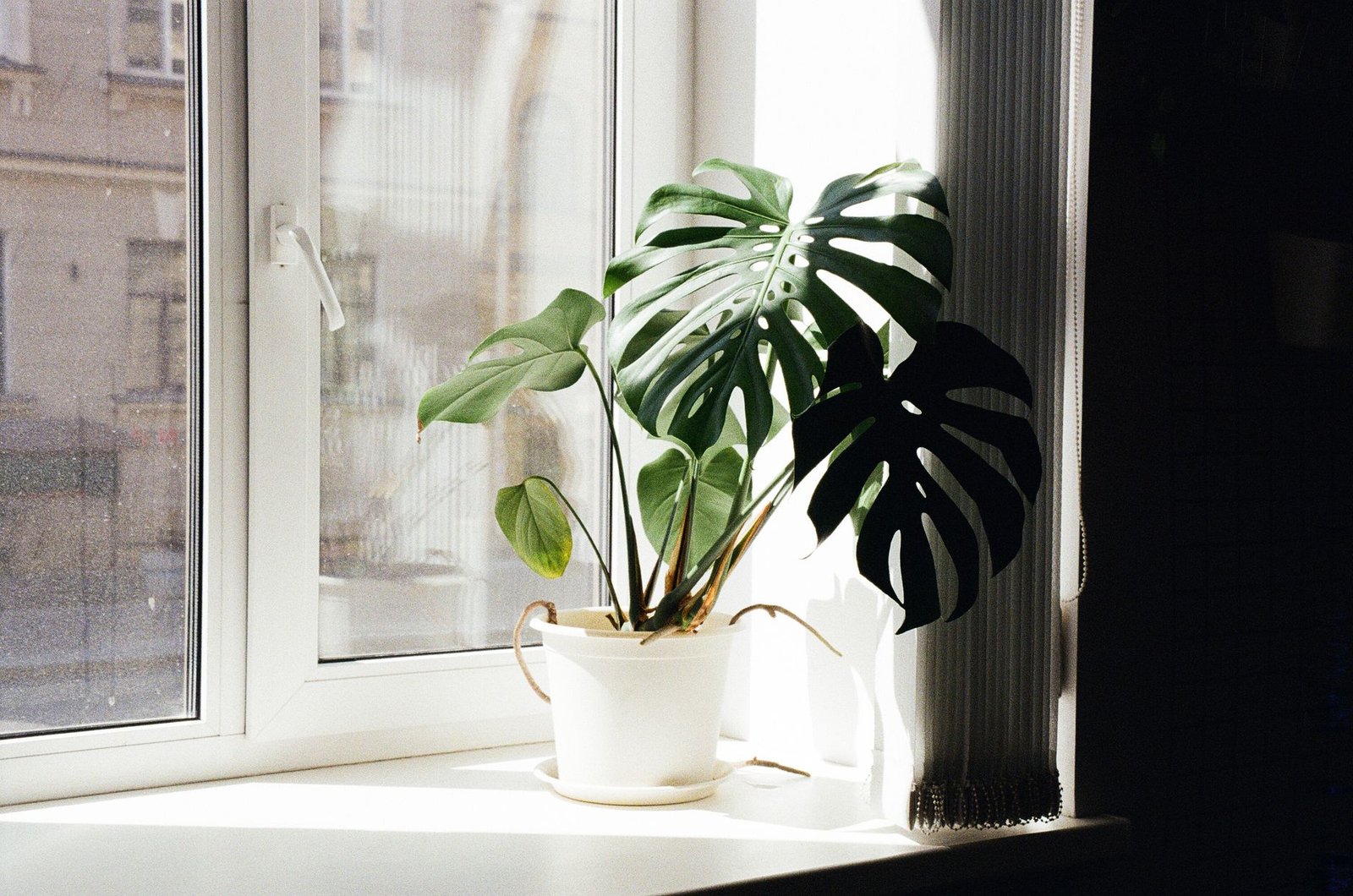
Ensuring optimal indoor air quality is paramount for resident well-being, and remarkably, significant improvements are achievable through natural, low-cost methods without relying on electronic air purifiers. This guide outlines seven effective strategies, leveraging both timeless practices and modern material developments relevant to 2026, enabling a healthier living environment for any homeowner.
The Unseen Threat: Why Indoor Air Quality Matters More Than Ever in 2026
As dwellings become increasingly sealed for energy efficiency, the concentration of indoor pollutants can escalate, posing significant health risks. From volatile organic compounds (VOCs) off-gassing from furniture and building materials to common allergens like dust mites and pet dander, these contaminants subtly diminish comfort and health. In 2026, with a heightened global focus on holistic wellness and sustainable living, the demand for naturally purified indoor spaces continues to grow. Modern construction emphasizes airtightness, making proactive natural ventilation and pollutant reduction strategies more critical than ever.
Natural Solutions: The Seven Pillars of Pure Indoor Air
1. Harnessing the Power of Biophilic Design: Air-Purifying Plants
Integrating specific houseplants is a cornerstone of natural air purification. Plants naturally filter airborne toxins and release oxygen, contributing to a fresher indoor atmosphere. For 2026, the trend of biophilic design sees increased adoption of living walls and vertical gardens, seamlessly blending aesthetics with functionality. Key species known for their air-cleaning prowess include:
- Snake Plant (Sansevieria trifasciata): Effective at removing benzene, formaldehyde, trichloroethylene, and xylene, even at night.
- Spider Plant (Chlorophytum comosum): Known for tackling formaldehyde, xylene, and carbon monoxide.
- Peace Lily (Spathiphyllum): Excellent for filtering ammonia, benzene, formaldehyde, and trichloroethylene.
- Areca Palm (Dypsis lutescens): A natural humidifier, also proficient in removing formaldehyde, xylene, and toluene.
- Boston Fern (Nephrolepis exaltata): Highly effective at removing formaldehyde and generally improving humidity.
The resident should choose plants appropriate for the dwelling’s light conditions and maintain them properly for optimal benefit.
2. Optimizing Natural Ventilation and Airflow
Effective ventilation is crucial for expelling stale, pollutant-laden air and introducing fresh outdoor air. Modern smart home systems in 2026 can integrate automated window openers and vents linked to indoor air quality sensors, facilitating optimal air exchange. Simple, consistent practices include:
- Cross-Ventilation: Opening windows on opposite sides of the dwelling creates a natural airflow path. This is especially effective after cooking or cleaning.
- Stack Effect: Opening lower and upper windows allows warm, stale air to rise and exit through the top, while cooler, fresh air enters below.
- Regular Airing: Even during colder months, brief daily airing for 5-10 minutes can significantly refresh indoor air without drastic temperature loss.
New residential designs increasingly incorporate passive ventilation strategies, minimizing reliance on mechanical systems while maximizing natural air circulation.
3. Embracing Non-Toxic Cleaning and Home Maintenance
Many conventional cleaning products are major sources of VOCs and other harmful chemicals. Shifting to non-toxic alternatives is a direct way to reduce indoor air pollution. The 2026 market offers a wider array of eco-certified and plant-based cleaning solutions, but simple household items remain highly effective:
- Vinegar and Baking Soda: Excellent for all-purpose cleaning, deodorizing, and scrubbing without harsh chemicals.
- Lemon Juice: Acts as a natural disinfectant and provides a fresh scent.
- Microfiber Cloths: Trap dust and allergens more effectively than traditional cloths, reducing airborne particles.
The homeowner should prioritize products labeled low-VOC or fragrance-free to minimize chemical exposure.
4. Strategic Humidity Management
Maintaining indoor humidity between 40-60% is vital. Too high, and mold and dust mites thrive; too low, and respiratory issues can worsen. In 2026, advanced smart hygrometers offer precise monitoring, often integrated into central home automation systems.
- Natural Dehumidifiers: Activated charcoal and certain salt lamps can absorb excess moisture.
- Proper Ventilation: Exhaust fans in bathrooms and kitchens should always be used during and after moisture-generating activities.
- Avoid Over-Watering Plants: Excess water in plant saucers can promote mold growth.
Regular inspection for leaks and condensation is also critical for moisture control.
5. Minimizing Indoor Pollutant Sources
The most effective way to improve air quality is to prevent pollutants from entering the air in the first place. This requires mindful choices regarding furnishings and materials:
- Low-VOC Products: When painting or renovating, select paints, adhesives, and sealants labeled as low or zero-VOC. The demand for such products continues to rise in 2026, making them more accessible and cost-effective.
- Natural Materials: Opt for furniture made from solid wood rather than particleboard or MDF, which can off-gas formaldehyde. Seek out certifications for sustainably sourced and low-emission materials.
- Fragrance-Free: Avoid synthetic air fresheners, candles, and plug-ins, which release various chemicals into the air.
Choosing products with third-party certifications (e.g., GREENGUARD, OEKO-TEX) indicates adherence to strict indoor air quality standards.
6. Implementing Smart Material Choices
Beyond furniture, the very fabric of the dwelling can contribute to air purity. Modern material science in 2026 offers innovative, breathable, and non-toxic options that promote a healthier indoor environment:
- Natural Fiber Furnishings: Wool, organic cotton, linen, and hemp for upholstery, carpets, and bedding reduce exposure to synthetic chemicals and potential allergens.
- Sustainable Flooring: Bamboo, cork, and reclaimed wood offer durable, low-emission alternatives to synthetic carpets and vinyl, which can off-gas VOCs.
- Breathable Wall Finishes: Limewash, clay plaster, and natural paints allow walls to breathe, helping to regulate humidity and preventing moisture buildup that could lead to mold. These options also boast zero VOCs and often have antibacterial properties.
The resident’s selection of these materials directly impacts the long-term air quality of the space.
7. Regular and Mindful Cleaning Regimes
Consistent cleaning practices are fundamental to preventing the buildup of dust, dander, and other airborne particles. The emphasis is on removing pollutants, not just moving them around.
- Dusting: Use damp microfiber cloths to capture dust rather than simply scattering it. Dust all surfaces, including blinds, ceiling fans, and electronics.
- Vacuuming: Employ a vacuum cleaner equipped with a HEPA filter at least once or twice a week, especially if there are pets or allergy sufferers in the dwelling.
- Bedding: Wash bedding weekly in hot water to eliminate dust mites and allergens.
- Air Ducts: Schedule professional cleaning of HVAC air ducts every 3-5 years to remove accumulated dust and debris.
These habits, performed consistently, significantly reduce the load of particulate matter in the indoor air.
Long-Term Comfort: Sustaining a Healthier Home Environment
Achieving superior indoor air quality without mechanical purifiers is a journey of conscious choices and consistent practices. By integrating biophilic design, optimizing natural ventilation, adopting non-toxic habits, managing humidity, minimizing pollutant sources, making smart material selections, and maintaining diligent cleaning regimes, the homeowner can create a naturally fresh, healthy, and comfortable living space. These methods, rooted in both timeless wisdom and modern material advancements, offer a sustainable path to enhanced home wellness for 2026 and beyond.