
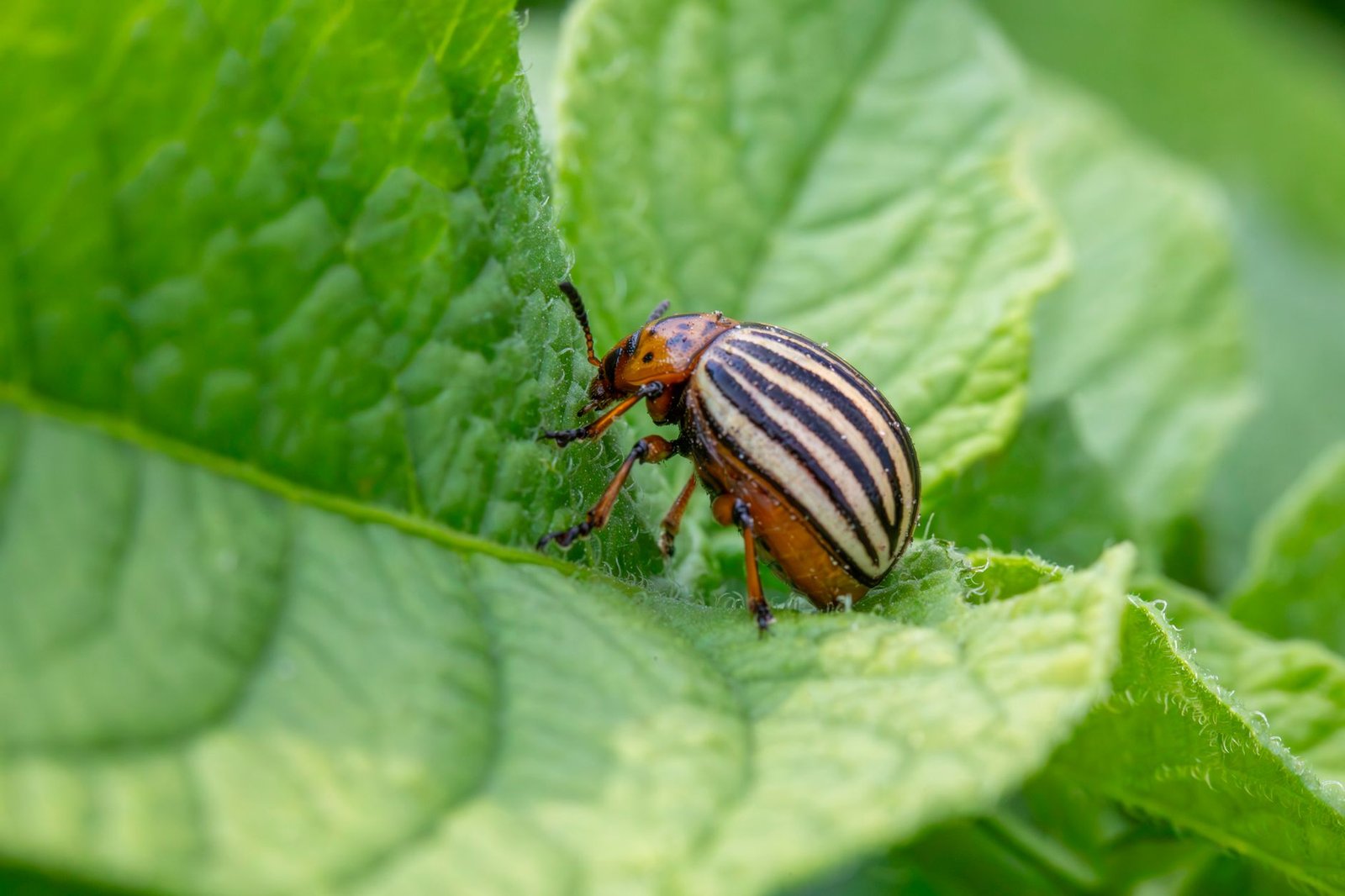
For many residents, a bountiful garden harvest is a source of immense satisfaction, yet the persistent challenge of garden pests can quickly diminish such rewards. When garden pests threaten to ruin a yield, effective and sustainable intervention becomes paramount. This article explores seven proven organic solutions, specifically tailored for the 2026 gardening landscape, to help homeowners protect their cultivated spaces and secure their harvests without resorting to harmful chemicals.
Understanding the Enemy: Common Garden Pests in 2026
Effective pest management begins with accurate identification. In 2026, gardeners continue to encounter familiar adversaries, though advanced monitoring techniques are making early detection more accessible. Key culprits often include:
- Aphids: Small, pear-shaped insects typically found on new growth, causing stunted plants and distorted leaves.
- Slugs and Snails: Nocturnal mollusks leaving silvery trails and irregular holes in leaves and fruits.
- Cabbage Worms: Green caterpillars that chew large holes in brassica leaves.
- Spider Mites: Tiny arachnids creating fine webbing and causing stippling or bronzing on leaves, particularly in hot, dry conditions.
- Squash Bugs: Flat, greyish-brown insects that feed on squash and pumpkin plants, causing wilting and eventual plant death.
Modern garden monitoring, often incorporating compact IoT sensors, can provide real-time data on environmental conditions favorable to certain pests, alerting the user to potential infestations before they become severe.
Proactive Prevention: Building a Resilient Garden
Prevention remains the cornerstone of organic pest control. A healthy, diverse garden ecosystem is naturally more resistant to pest outbreaks. In 2026, emphasis is placed on holistic approaches that strengthen plant defenses and disrupt pest life cycles.
Soil Health as a First Defense
A thriving soil microbiome is crucial. Healthy soil, rich in organic matter and beneficial microorganisms, supports robust plant growth, making plants naturally more resistant to pests and diseases. Techniques like no-till gardening, composting, and the application of biochar continue to gain prominence for their ability to enhance soil structure and fertility. Developments in soil additive technologies include slow-release, plant-derived nutrient systems that also subtly deter certain soil-borne pests without harming beneficial organisms.
Cultivating Biodiversity
Encouraging a diverse array of plants and beneficial wildlife creates a balanced ecosystem where natural predators keep pest populations in check. Strategic planting of native species, creating pollinator gardens, and providing water sources contribute significantly to this biodiversity. Permaculture principles, integrating edible landscapes with ecological design, are increasingly adopted by homeowners seeking sustainable and pest-resistant garden solutions.
7 Organic Solutions for Pest Management in 2026
When preventive measures are insufficient, these organic interventions offer targeted and eco-friendly ways to manage pest populations.
1. Beneficial Insects: Nature’s Pest Control Squad
Harnessing the power of natural predators is a highly effective organic strategy. Ladybugs consume aphids, lacewings prey on a variety of soft-bodied insects, and parasitic wasps target caterpillars and whiteflies. In 2026, advancements include precision-release systems for larger residential properties, enabling more even distribution of beneficial insects. Homeowners can purchase these insects from reputable suppliers and release them directly into affected areas, creating a living defense system.
2. Companion Planting: Strategic Plant Pairings
Certain plants, when grown together, can deter pests or attract beneficial insects. For instance, marigolds are known to repel nematodes and various insects, while nasturtiums can act as a trap crop for aphids, diverting them from more valuable plants. Garlic and onions can deter borers and aphids. AI-driven gardening apps in 2026 offer sophisticated companion planting recommendations tailored to specific garden layouts and local pest pressures, optimizing plant synergy.
3. Homemade Organic Sprays: Eco-Friendly Formulations
Simple, non-toxic sprays can effectively manage many common pests. Neem oil, derived from the neem tree, acts as an insect growth regulator and repellent, disrupting pest life cycles. A solution of mild dish soap and water can suffocate soft-bodied insects like aphids and spider mites. Garlic or chili pepper sprays can deter a broader range of pests through their strong odors and irritating compounds. Modern formulations are increasingly leveraging concentrated plant extracts for enhanced efficacy and biodegradability.
4. Physical Barriers & Traps: Protecting Plants Directly
Physical exclusion is a straightforward and highly effective method. Row covers, made of fine mesh fabric, can protect seedlings and vulnerable plants from flying insects like cabbage moths and squash bugs. Slug and snail traps, often involving shallow dishes of beer or yeast water, lure and drown these mollusks. In 2026, advancements include biodegradable sticky traps and solar-powered smart traps that can identify and target specific pests, providing a chemical-free removal solution.
5. Crop Rotation & Garden Sanitation: Disrupting Pest Cycles
Practicing crop rotation, where different plant families are grown in different areas each season, helps break pest and disease cycles that are specific to certain crops. Removing infected plant material promptly prevents pests from spreading. Keeping the garden free of weeds also eliminates hiding spots and alternative food sources for many pests. This diligent approach significantly reduces the likelihood of recurring infestations.
6. Enhancing Soil Health & Root Resilience
Beyond general soil health, specific focus on root-level resilience is gaining traction. Introducing mycorrhizal fungi to the soil can enhance a plant’s nutrient uptake and water efficiency, making it more vigorous and less susceptible to pest stress. The concept of a ‘living soil’ — rich in diverse microbial life — directly contributes to plants’ systemic acquired resistance, a natural defense mechanism against pathogens and insect attack. Innovations in targeted biological amendments are making this easier for the average homeowner.
7. Resistant Plant Varieties & Smart Monitoring Systems
Selecting pest-resistant varieties is a proactive measure that minimizes future problems. Seed catalogs and nurseries increasingly label plants with resistance to common pests or diseases. For example, certain squash varieties are bred to be more resistant to squash bugs. Complementing this, 2026 sees wider adoption of micro-sensor arrays that monitor plant health, soil conditions, and even detect specific pest pheromones, providing actionable insights to the gardener via smartphone applications for hyper-localized intervention.
Sustainable Practices for Long-Term Success
Ultimately, successful organic pest management in 2026 is about fostering a balanced and robust garden ecosystem rather than simply eradicating pests. By integrating these organic solutions, residents can significantly reduce pest damage, cultivate healthier plants, and enjoy the satisfaction of a vibrant, productive garden. The shift towards sustainable, data-driven, and biologically informed gardening practices ensures that harvests are not only bountiful but also environmentally responsible, contributing to a healthier planet for years to come.