When navigating the complexities of cultivating plants in limited outdoor areas, homeowners frequently weigh the merits of raised garden beds against various container gardening methods. For those with compact spaces in 2026, the optimal choice between raised beds and containers hinges significantly on factors such as desired permanence, flexibility, and specific plant requirements. While raised beds offer stability and superior soil control, container gardening provides unparalleled adaptability and mobility, making a definitive ‘better’ solution dependent on the individual resident’s priorities and site conditions.
Understanding Raised Beds for Compact Gardens in 2026
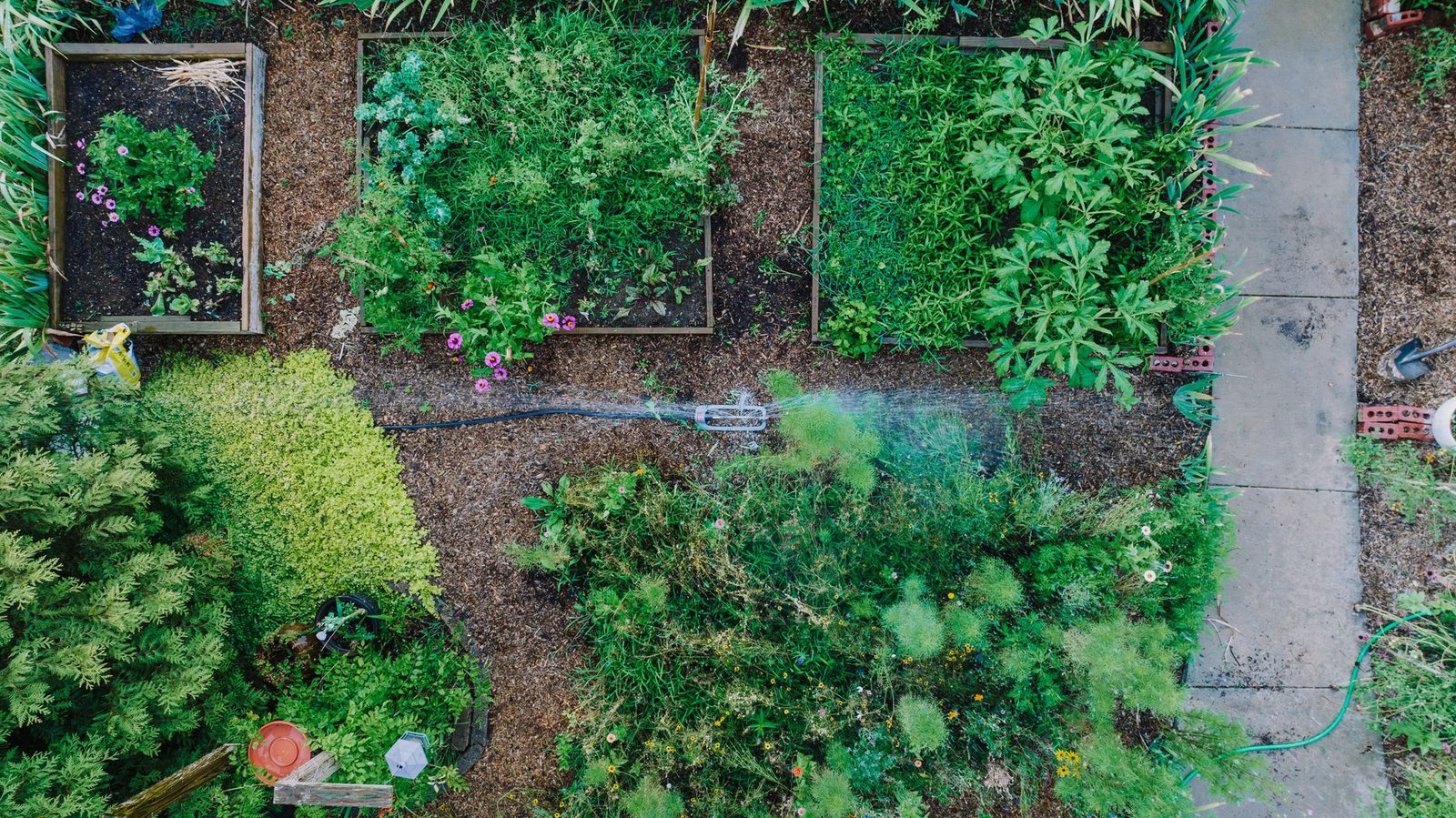
Raised garden beds have long been a favored option for residential cultivation, particularly for their ability to define growing areas and improve growing conditions. In 2026, their appeal remains strong, especially with advancements in materials and design tailored for efficiency and longevity.
Benefits of Raised Beds
- Enhanced Soil Control: Raised beds allow the resident to create an ideal soil mixture tailored to specific plants, ensuring optimal drainage and nutrient availability, which is particularly beneficial when native soil quality is poor.
- Improved Drainage and Aeration: The elevated nature of these beds inherently improves drainage, preventing waterlogging and promoting healthy root development. This is crucial for many vegetable and ornamental plants.
- Ergonomics: The elevated height reduces bending and kneeling, making gardening more accessible and comfortable for individuals of varying mobilities. Some 2026 designs feature modular systems with adjustable heights.
- Defined Growing Space: Raised beds provide clear boundaries, which can be aesthetically pleasing and help manage garden layout in small spaces. They also help deter some common garden pests.
- Material Trends 2026: Modern raised beds are increasingly constructed from durable, sustainable materials. Options include recycled composite lumber, which offers longevity and resistance to rot without chemical treatments, and lightweight, interlocking metal or fiberglass panels designed for easy assembly and disassembly. Self-watering raised beds featuring integrated reservoirs and wicking systems are also gaining traction, significantly reducing watering frequency.
Drawbacks of Raised Beds for Small Footprints
- Initial Cost and Labor: Establishing a raised bed involves a notable upfront investment in materials and soil, along with the physical labor of construction and filling.
- Permanence: Once installed and filled, a raised bed is largely stationary. This lack of mobility can be a disadvantage in truly tiny spaces where layout flexibility might be desired or in rental properties.
- Space Commitment: Even compact raised beds occupy a fixed footprint, potentially limiting other uses of the small outdoor area. Their volume means they can sometimes overwhelm a truly minuscule patio or balcony.
The Versatility of Container Gardening in 2026
Container gardening offers an incredibly flexible alternative, making it exceptionally well-suited for diverse small-space scenarios, from urban balconies to compact patios. The innovations in container materials and smart technology in 2026 further amplify its advantages.
Advantages of Containers
- Unmatched Flexibility and Mobility: The primary advantage is the ability to move plants as needed to optimize sun exposure, accommodate social gatherings, or protect tender species from adverse weather. This makes them ideal for dynamically changing small spaces.
- Disease Isolation: If one plant in a container develops a disease, it can often be isolated and removed without affecting neighboring plants, a significant benefit in managing garden health.
- Aesthetic Integration: A wide array of container styles, colors, and materials allows for seamless integration with existing outdoor decor, enhancing the overall aesthetic appeal of the space. Modular and stackable container systems are prevalent in 2026, maximizing vertical space.
- Material and Technology Trends 2026: Contemporary containers are available in a vast range of materials. Lightweight, UV-resistant polymers mimic terracotta or stone without the weight. Biodegradable pots, often made from coir or recycled paper products, are popular for starting seeds and can be planted directly into larger containers or raised beds. Smart planters with integrated moisture sensors, automated watering systems, and nutrient delivery capabilities connected via smartphone apps are becoming more common, simplifying care for busy residents. Fabric grow bags, offering excellent aeration and drainage, continue to evolve with improved durability.
Limitations of Container Cultivation
- Increased Watering Demands: Containers, especially smaller ones, dry out much faster than raised beds due to greater exposure to air and sun. This necessitates more frequent watering, a potential challenge for the time-constrained individual.
- Nutrient Depletion: Nutrients leach from container soil more readily, requiring consistent fertilization and periodic soil replenishment or refreshing.
- Root Restriction: Plants can become root-bound if not transplanted into larger containers as they grow, impacting overall plant health and productivity. Selecting appropriately sized containers from the outset is crucial.
Making the Optimal Choice for Limited Outdoor Areas
Deciding between raised beds and containers in 2026 involves a careful assessment of several practical considerations unique to each homeowner’s situation.
Key Considerations for the Homeowner
- Space Dimensions and Sun Exposure: For extremely confined areas like small balconies, mobile containers are typically more practical. Larger patios or side yards might accommodate a compact raised bed. Observing sun patterns throughout the day helps determine optimal placement, which containers can more easily adapt to.
- Plant Selection: Deep-rooted vegetables like carrots or potatoes often thrive better in the deeper soil provided by raised beds. Conversely, herbs, salad greens, and many ornamentals are perfectly suited for various container sizes. Consider the ultimate size of mature plants.
- Maintenance Capacity: Individuals with limited time for daily watering might prefer the reduced frequency offered by raised beds, especially those with integrated self-watering features. Smart container systems can mitigate this, but rely on technology.
- Budget: While both options have varying price points, initial setup for a quality raised bed can be higher. However, the long-term investment in soil for raised beds may be less than continually purchasing potting mix for many containers.
Hybrid Approaches and Future Outlook
For many small-space gardeners in 2026, a hybrid approach often yields the best results. A single, strategically placed raised bed can provide a stable base for larger plants, while a collection of mobile containers fills in the remaining space, allowing for dynamic arrangement and seasonal changes. The integration of vertical gardening elements, such as wall-mounted planters or tiered container systems, further maximizes plant density in minimal footprints.
The future of small-space gardening continues to lean towards intelligent systems that reduce labor, conserve resources, and integrate seamlessly with modern living. Both raised beds and containers are evolving to incorporate more sustainable materials and smart technologies, empowering residents to cultivate thriving gardens regardless of space constraints.
Ultimately, neither raised beds nor container gardening holds an absolute advantage for all small spaces in 2026. The superior method is the one that best aligns with the resident’s lifestyle, aesthetic preferences, maintenance commitment, and the specific horticultural goals for their compact outdoor haven. A thoughtful analysis of these factors will lead to the most rewarding and sustainable gardening experience.