
What is the Best Air Purifier for Smoke & Odors in 2026?
For homeowners seeking the optimal air purifier to combat smoke and persistent odors in 2026, the leading solution consistently integrates a robust multi-stage filtration system, prominently featuring advanced HEPA and high-capacity activated carbon filters. These foundational technologies are now augmented by smart home capabilities and enhanced sensor arrays, offering unparalleled air quality management.
Addressing indoor air quality is paramount for domestic comfort and well-being. Smoke, whether from cooking mishaps, a cozy fireplace, or the increasing threat of external wildfires, introduces fine particulate matter and harmful volatile organic compounds (VOCs). General household odors, emanating from pets, cleaning products, or daily activities, similarly diminish the indoor environment. The advancements in air purification technology by 2026 provide sophisticated tools to mitigate these challenges effectively.
Understanding Smoke and Odor Challenges in the Modern Home
Sources of Indoor Smoke
Indoor smoke originates from various common activities. Cooking, particularly frying or broiling, releases grease particles and combustion byproducts. Fireplaces, while providing ambiance, can introduce wood smoke containing particulate matter (PM2.5) and polycyclic aromatic hydrocarbons (PAHs) if not properly vented. Furthermore, the growing frequency of wildfires means external smoke infiltration is a significant concern for many residences, necessitating a purification strategy that can handle fine particulate matter effectively.
Pervasive Household Odors
Household odors are diverse and often persistent. Pet dander and associated smells, volatile organic compounds from new furniture or paint, cleaning agents, and food preparation all contribute to the olfactory landscape of a home. Traditional air fresheners merely mask these issues; true odor elimination requires specific filtration mechanisms that can adsorb and neutralize gaseous pollutants.
Key Technologies for Smoke and Odor Removal in 2026
Effective air purification against smoke and odors relies on a combination of specialized technologies, each targeting different types of pollutants. By 2026, these systems have become more integrated and efficient.
Advanced HEPA Filtration
High-Efficiency Particulate Air (HEPA) filters remain the cornerstone for smoke removal. These filters are designed to capture at least 99.97% of airborne particles 0.3 microns in size, which includes smoke particles, pet dander, pollen, and dust. Modern HEPA filters in 2026 often feature enhanced pleating for greater surface area, extended lifespan through pre-filter integration, and even some bio-static treatments to inhibit microbial growth on the filter medium.
Enhanced Activated Carbon Filters
For odors and gaseous pollutants like VOCs, an activated carbon filter is indispensable. In 2026, activated carbon technology has seen advancements, with some models incorporating specially treated or ‘impregnated’ carbon designed for broader spectrum adsorption of specific chemicals, such as formaldehyde or ammonia. Many high-end purifiers now feature significantly larger carbon beds, sometimes weighing several pounds, to provide superior odor absorption capacity and a longer effective lifespan compared to the thin carbon layers found in basic models. Sustainable, plant-based activated carbon alternatives are also gaining prominence.
Photocatalytic Oxidation (PCO) and UV-C Integration
Some advanced air purifiers include Photocatalytic Oxidation (PCO) technology, often paired with UV-C light. PCO uses a titanium dioxide-coated filter and UV-C light to break down VOCs and other gaseous pollutants into harmless substances. While effective, careful consideration of PCO systems is advised, as some older or poorly designed units could potentially produce ozone as a byproduct. However, 2026 models feature significantly refined PCO cells engineered for minimal to zero ozone emission, focusing on safe and efficient pollutant degradation.
Electrostatic Precipitation (with caveats)
Electrostatic precipitators collect particles using an electrical charge. While efficient for particulate matter, they require frequent cleaning and can sometimes produce ozone. Due to ozone concerns and maintenance requirements, their popularity for residential use has slightly diminished in favor of advanced HEPA/carbon systems by 2026, though some specialized industrial units still employ this method.
Top Features and Considerations for 2026 Models
When selecting an air purifier, several features distinguish the best models for smoke and odor control in 2026.
CADR Ratings (Smoke)
The Clean Air Delivery Rate (CADR) for smoke is a critical metric, indicating how quickly the purifier removes smoke particles from a room. A higher CADR means faster purification. Homeowners should select a model with a CADR rating appropriate for the room size, ensuring the unit can cycle the air multiple times per hour.
Smart Home Integration & AI Monitoring
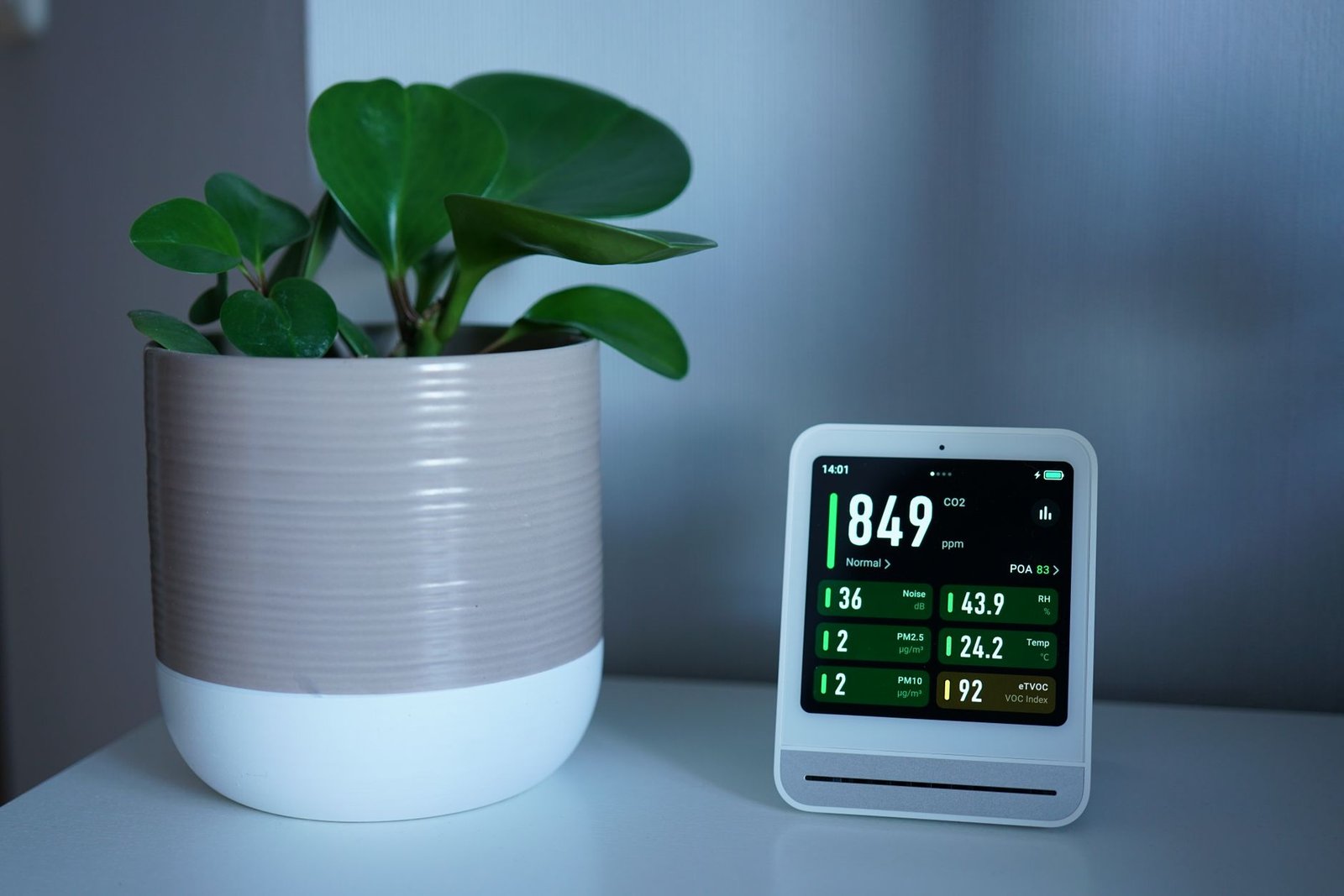
The 2026 market is dominated by smart air purifiers. These units integrate seamlessly with existing smart home ecosystems, allowing for remote control via smartphone apps or voice assistants. Advanced AI-driven sensors continuously monitor indoor air quality, detecting PM2.5, VOCs, and specific odor compounds. This allows the purifier to automatically adjust fan speed and filtration intensity in real-time, optimizing energy use and purification efficiency. Predictive maintenance alerts for filter changes are also standard.
Filter Lifespan and Sustainability
Longer filter lifespans reduce maintenance frequency and cost. By 2026, manufacturers are increasingly focusing on sustainable filter options, including modular systems where individual filter stages can be replaced independently, or filters made from recycled or biodegradable materials. Some activated carbon filters are also engineered for longer absorption capacity through advanced granule structures.
Noise Levels and Aesthetics
An effective air purifier should operate quietly, especially in living and sleeping areas. Look for models with decibel ratings under 50 dB on their highest settings, and significantly lower on sleep modes. Design has also evolved, with purifiers increasingly resembling stylish home decor rather than clunky appliances, offering various finishes and compact footprints to blend into modern interiors.
Room Coverage
Ensure the purifier’s recommended coverage area matches or exceeds the size of the room where it will be placed. Using multiple smaller units strategically can sometimes be more effective than a single large unit attempting to purify an excessively large or open-plan space.
Maintaining Optimal Performance
Even the most advanced air purifier requires proper maintenance to ensure continuous effectiveness against smoke and odors.
Regular Filter Replacement
Adhering to the manufacturer’s recommended filter replacement schedule is paramount. Clogged HEPA filters lose efficiency in capturing particles, and saturated activated carbon filters can no longer adsorb odors, potentially even off-gassing previously absorbed pollutants. Smart purifiers typically provide timely alerts for this.
Strategic Placement
Positioning the air purifier in an open area, away from walls or obstructions, allows for optimal air circulation and pollutant capture. For persistent odor sources like pet areas or kitchens, placing a unit closer to the source can provide more immediate relief.
Future Trends in Air Purification
Looking ahead, the industry is moving towards even greater intelligence and sustainability. Expect to see further advancements in bio-mimetic filtration, which imitates natural processes, and self-cleaning filter technologies. Personalized air quality profiles, leveraging machine learning to understand and proactively address individual homeowner’s specific needs and indoor environments, are also on the horizon. The focus will remain on invisible, integrated solutions that enhance home wellness without conscious effort from the resident.