
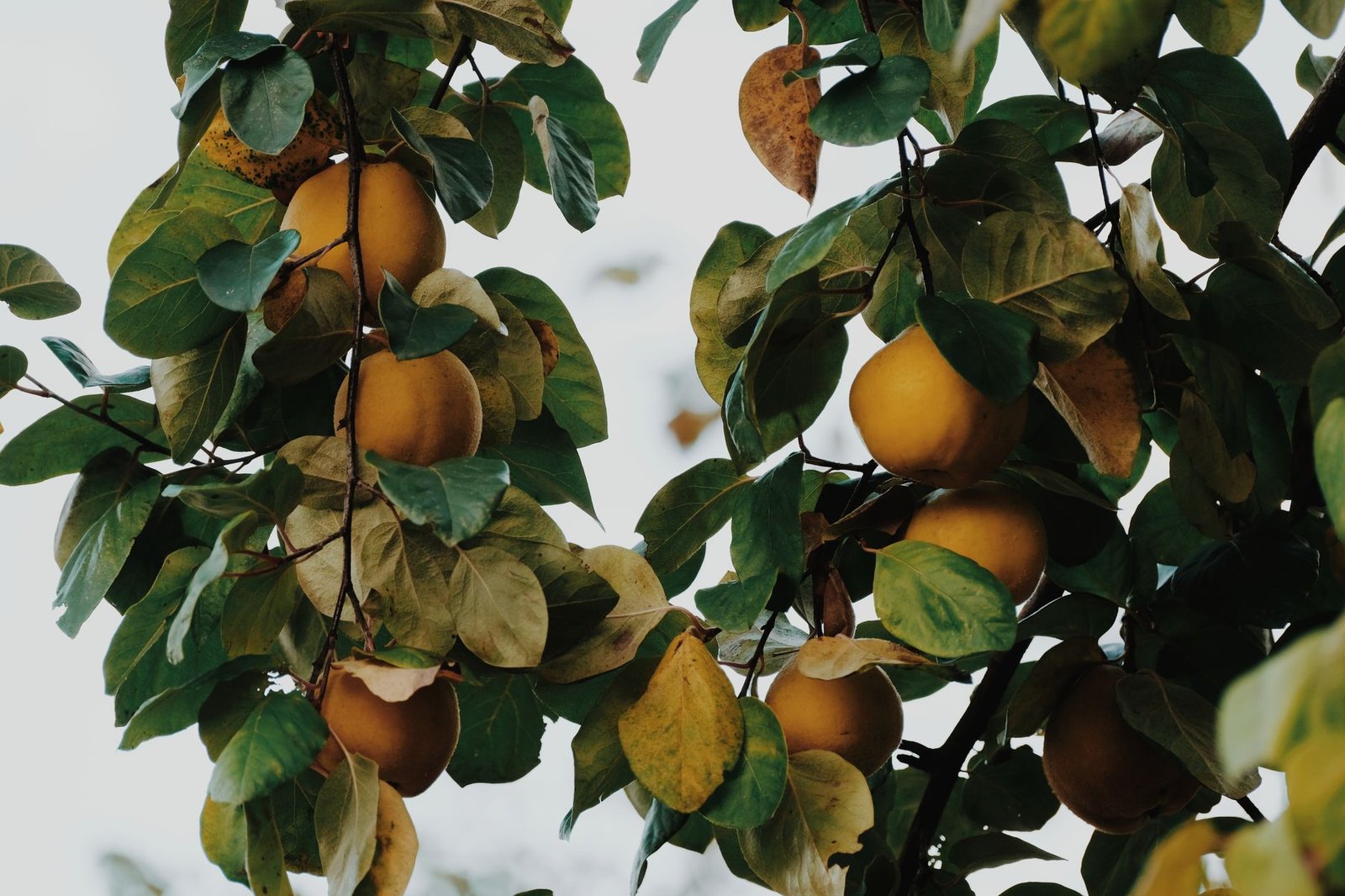
For 2026, selecting the easiest fruit trees for backyard gardens prioritizes varieties known for robust growth, disease resistance, and minimal care requirements. Options like dwarf citrus, fig trees, serviceberry, pawpaw, bush cherries, and columnar apples consistently rank high due to their adaptability and consistent yields. These selections make fruit cultivation accessible to a wider range of homeowners, providing enjoyable harvests with significantly reduced effort compared to more demanding cultivars.
The Enduring Appeal of Easy-Care Fruit Trees
As residential landscapes continue to evolve, the demand for sustainable and self-sufficient gardening solutions grows. Cultivating fruit trees offers numerous benefits, from fresh, homegrown produce to enhanced property aesthetics. In 2026, the emphasis remains on varieties that simplify the gardening process, aligning with modern lifestyles where time and resources are valuable. Low-maintenance fruit trees minimize the need for extensive pruning, complex pest control, and specialized soil amendments.
Current horticultural trends highlight a shift towards resilient plant selections that can withstand varying climatic conditions and require less water, reflecting broader ecological awareness. Innovations have introduced cultivars naturally more vigorous and less susceptible to common ailments, further reducing the care burden. This ease of cultivation translates into a more rewarding gardening experience, ensuring a consistent supply of delicious fruit.
Top Performers for 2026 Backyard Orchards
Several fruit tree varieties stand out for their exceptional ease of growth and suitability for typical backyard conditions in 2026. These selections are chosen for their strong disease resistance, adaptability, and manageable size, making them perfect candidates for diverse garden layouts.
Dwarf Citrus Varieties
Dwarf citrus, such as the Meyer Lemon or various kumquat cultivars, are excellent choices, especially in warmer climates or as container plants. They are generally self-pollinating and produce abundant fruit with minimal intervention. Modern dwarf rootstocks in 2026 enhance drought tolerance and disease resistance, making them even more robust for the resident.
Hardy Fig Trees
Fig trees, particularly varieties like ‘Brown Turkey’ or ‘Chicago Hardy’, are renowned for their resilience. They are largely pest-resistant, tolerate a wide range of soil conditions, and many are self-fruiting. ‘Chicago Hardy’ demonstrates exceptional winter hardiness, often regrowing from roots after severe freezes. Their moderate size and attractive foliage make them an appealing, low-effort addition.
Versatile Serviceberry (Juneberry)
Often overlooked, the serviceberry (Amelanchier spp.) is a native tree offering multi-season interest: spring blossoms, delicious blueberry-like fruits, and vibrant fall foliage. These trees are exceptionally hardy, resistant to most common diseases and pests, and tolerate various soil types. They require very little pruning and thrive in diverse light conditions, ideal for edible landscapes.
Unique Pawpaw
Another North American native, the pawpaw (Asimina triloba) produces unique, tropical-tasting fruits. These understory trees are naturally resistant to pests and diseases and require minimal care once established. While preferring moist, rich soil, they are remarkably adaptable. Planting at least two genetically distinct trees is advisable for optimal fruit production; new disease-resistant strains are widely available in 2026.
Bush Cherries
Bush cherries, such as ‘Carmine Jewel’ or ‘Romeo’, are small, shrub-like plants that yield tart, flavorful cherries. Their compact size makes harvesting easy, and they are significantly more cold-hardy and disease-resistant than traditional sweet cherry trees. These self-pollinating varieties begin bearing fruit at a young age, offering quick returns on effort and fitting well into smaller backyards or edible hedges.
Columnar Apple Trees
For spaces where width is limited, columnar apple trees present an innovative solution. Varieties like ‘Urban Apple’ grow vertically with minimal side branching, allowing for high-density planting. These trees are often bred for disease resistance and produce full-sized apples on very compact forms. While requiring some initial training, their space-saving nature simplifies care, making them strong contenders for patios and urban gardens.
Streamlined Planting and Care in a Modern Garden
Even the easiest fruit trees benefit from thoughtful planting and foundational care practices. Adhering to these guidelines ensures robust growth and abundant harvests without demanding excessive time or specialized knowledge from the homeowner.
Optimal Site and Soil
Most fruit trees require at least 6-8 hours of direct sunlight. Soil should be well-draining; amending heavy clay with organic matter improves fertility. Soil testing services offer precise recommendations for pH and nutrient adjustments. Durable, recycled composite raised beds are gaining popularity in 2026 for their ease of installation and excellent drainage control.
Smart Hydration and Mulching
Consistent moisture is crucial, especially for young trees, but overwatering can be detrimental. In 2026, smart irrigation systems with soil moisture sensors and weather-aware programming are increasingly accessible, allowing for precise water delivery. Mulching around tree bases with organic materials retains moisture, suppresses weeds, and regulates soil temperature, reducing watering frequency.
Minimalist Pruning
While low-maintenance varieties require less frequent pruning, occasional shaping and removal of dead or crossing branches are beneficial. The goal is to maintain good air circulation and sunlight penetration. For most easy-to-grow fruit trees, a simplified