
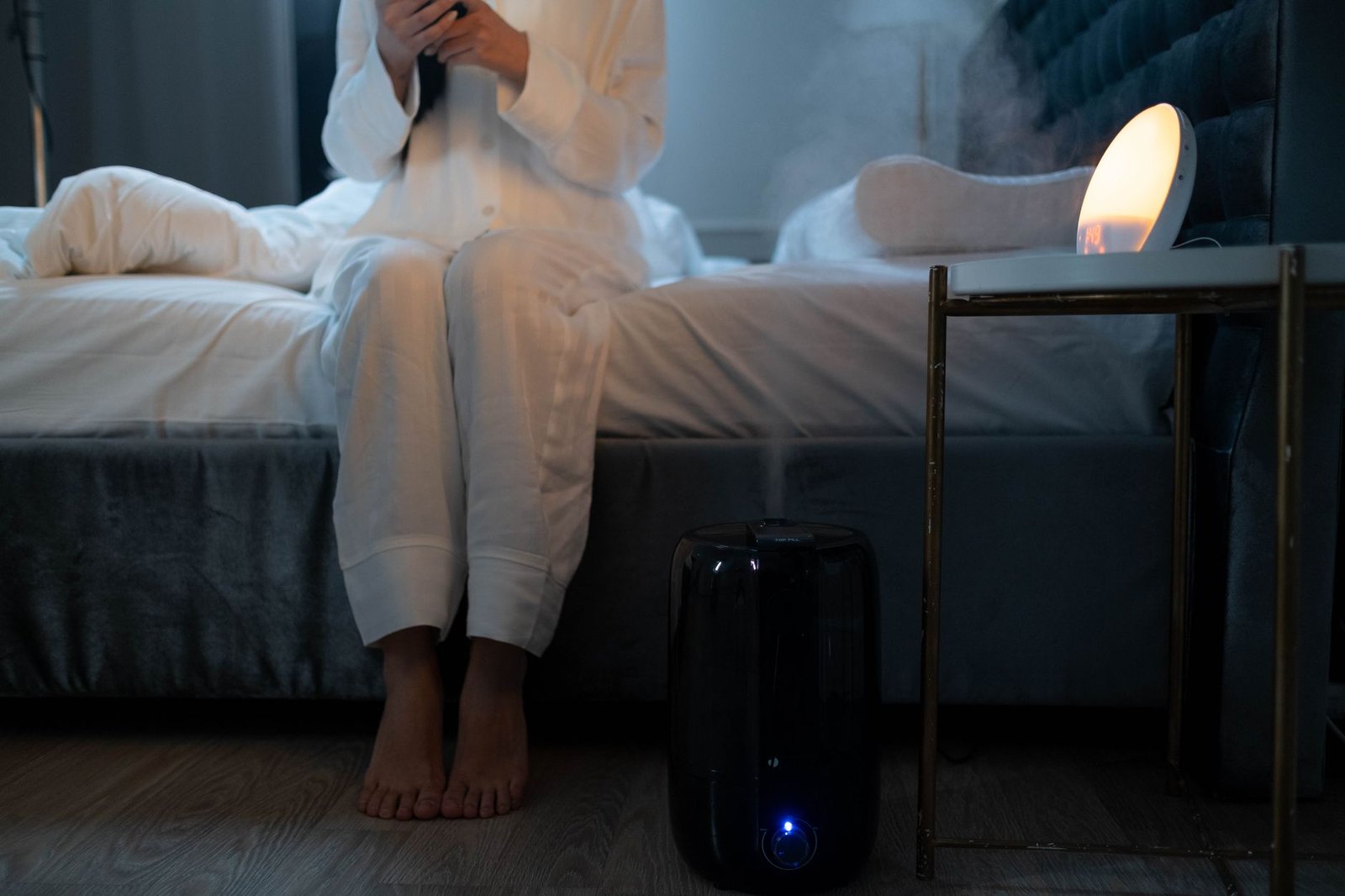
For mitigating the persistent challenge of winter dryness, the humidifier stands as the unequivocally superior choice compared to a diffuser. While diffusers offer aromatic benefits, their capacity to introduce substantial moisture into the air is negligible, rendering them ineffective against low indoor humidity prevalent in 2026’s colder months. This article will dissect the primary functions and modern advancements of both devices, guiding the homeowner toward an informed decision for optimal indoor air quality and comfort.
Understanding Humidifiers in 2026: The Hydration Essential
Humidifiers are purpose-built devices designed to increase the moisture content in indoor air. As 2026 progresses, these systems have evolved significantly, moving beyond simple mist production to incorporate advanced technology and design principles.
The Core Function and Types
A humidifier’s fundamental role is to atomize water and disperse it into the atmosphere, directly combating the dryness that can exacerbate respiratory issues, dry skin, and even damage wooden furniture or indoor plants. The market in 2026 offers several sophisticated types:
- Ultrasonic Humidifiers: These continue to be popular, utilizing high-frequency vibrations to create a fine, cool mist. Modern 2026 ultrasonic models feature whisper-quiet operation, enhanced antimicrobial reservoirs (often incorporating silver ion or UV-C technology to prevent mold and bacteria growth), and elegant, minimalist designs that seamlessly integrate with contemporary interiors.
- Evaporative Humidifiers: These draw air through a moistened wick filter, evaporating water naturally. The 2026 iterations boast self-regulating humidity controls, preventing over-humidification, and advanced filter materials made from sustainably sourced or recycled composites that capture minerals more effectively, reducing white dust.
- Warm Mist Humidifiers: By boiling water to produce a sterile, warm vapor, these devices offer relief from cold symptoms. Innovations in 2026 focus on energy efficiency, rapid heating elements, and improved safety features to prevent accidental burns.
Benefits for Health and Home
The consistent use of a humidifier during dry winter months provides numerous advantages. For the resident, adequate indoor humidity (ideally between 40-60%) helps alleviate dry skin, chapped lips, irritated nasal passages, and scratchy throats. It can also reduce the transmissibility of certain airborne viruses. From a domestic comfort perspective, proper humidity levels protect wooden floors, furniture, and musical instruments from cracking, and promote healthier indoor plant growth.
2026 Considerations for Humidifier Selection
When selecting a humidifier in 2026, homeowners should consider devices with smart home integration, allowing for app-controlled scheduling and remote monitoring of humidity levels. Furthermore, models featuring integrated hygrometers, easy-to-clean components, and
long-life, eco-friendly filters represent excellent investments for sustained performance and minimal environmental impact.
Understanding Diffusers in 2026: The Aromatic Enhancer
Diffusers, while often confused with humidifiers due to their mist-like output, serve an entirely different purpose: the dispersion of essential oils for aromatic benefits, not humidification.
The Core Function and Types
A diffuser’s primary role is to deliver the therapeutic or pleasant scents of essential oils into the air. The mist observed from many diffusers is merely a carrier for the microscopic oil particles.
- Ultrasonic Diffusers: Similar in technology to ultrasonic humidifiers, these devices use vibrations to create a fine mist of water and essential oil. In 2026, designs prioritize aesthetic appeal, offering customizable LED lighting, advanced timer settings, and increasingly sophisticated mist patterns that act as visual features.
- Nebulizing Diffusers: These diffusers operate without water, using an air pump to atomize pure essential oil into a concentrated mist. 2026 models are exceptionally quiet, energy-efficient, and crafted from high-quality, durable materials such as sustainable hardwoods and borosilicate glass, reflecting a growing demand for luxury home wellness products.
- Evaporative Diffusers: Air blows across a pad or filter containing essential oil, causing it to evaporate. Modern evaporative diffusers are often compact and portable, leveraging advanced fan technology for wider, more consistent scent dispersion.
Benefits of Aromatherapy, Not Humidity
The benefits derived from diffusers are primarily olfactory and psychological. Essential oils, when diffused, can contribute to a relaxing atmosphere, invigorate the senses, or aid in creating a focused environment. Some essential oils are anecdotally associated with mood enhancement or perceived respiratory ease, but this is due to their aromatic properties, not any significant increase in air moisture. It is crucial to understand that a diffuser’s contribution to room humidity is negligible and insufficient to combat winter dryness.
2026 Considerations for Diffuser Use
For homeowners utilizing diffusers in 2026, considerations include the quality and sourcing of essential oils, ensuring they are pure and sustainably harvested. Furthermore, understanding the nuances of pet safety with certain essential oils is paramount. While diffusers enhance ambiance, residents must manage expectations regarding their ability to address low humidity levels.
The Definitive Choice for Winter Dryness: Humidifiers Reign Supreme
When the objective is to alleviate dry indoor air symptoms, the choice is unequivocally clear: a humidifier is the essential device. Diffusers, despite their visual similarity, do not possess the capacity to add meaningful moisture to the air. Their role is complementary, enhancing the environment with aroma rather than adjusting its fundamental humidity.
Direct Comparison: Moisture vs. Aroma
A humidifier’s output is measured in gallons per day, signifying its substantial capacity to raise relative humidity. A diffuser, by contrast, releases only a minuscule amount of water, primarily as a vehicle for essential oil particles. Attempting to use a diffuser as a humidifier for a medium to large room during winter will yield no tangible relief from dryness.
Strategic Integration for Holistic Comfort
For the homeowner seeking both optimal humidity and delightful ambiance, the most effective strategy in 2026 involves utilizing both devices. A humidifier maintains the ideal moisture balance throughout the home, safeguarding health and property. Simultaneously, a diffuser can be deployed in specific areas, such as a living room or bedroom, to deliver targeted aromatherapy without interfering with the humidifier’s function.
Advanced smart home ecosystems in 2026 increasingly allow for integrated control of both humidifiers and diffusers. This enables residents to schedule humidity levels and scent dispersal independently or in concert, creating a truly personalized and comfortable indoor climate.
Key Considerations for Homeowners in 2026
To maximize the benefits of these devices, several points warrant attention:
- Humidity Monitoring: Invest in a reliable digital hygrometer or a smart humidifier with an integrated sensor. This ensures humidity levels remain within the optimal 40-60% range, preventing both dryness and excessive moisture.
- Maintenance: Regular cleaning of both devices is crucial. For humidifiers, this prevents the buildup of mold, bacteria, and mineral deposits. Many 2026 models feature dishwasher-safe components or self-cleaning cycles, simplifying this task. Diffusers also require periodic cleaning to prevent oil residue buildup.
- Placement: Position humidifiers centrally in rooms or near areas affected by dryness, away from walls or delicate electronics. Diffusers can be placed strategically for optimal scent distribution without being obstructed.
- Material & Sustainability: Prioritize devices constructed from durable, non-toxic materials, with energy-efficient operation. Look for brands committed to sustainable manufacturing practices and offering recyclable parts.
In conclusion, while diffusers bring delightful aromas and therapeutic ambiance to a space, they are not engineered to tackle the challenges of winter dryness. For substantial and effective moisture addition to indoor air in 2026, the humidifier remains the undisputed champion, ensuring better health, greater comfort, and preservation of home furnishings. A thoughtful approach involves understanding their distinct roles and, for comprehensive home wellness, leveraging both for their unique contributions.