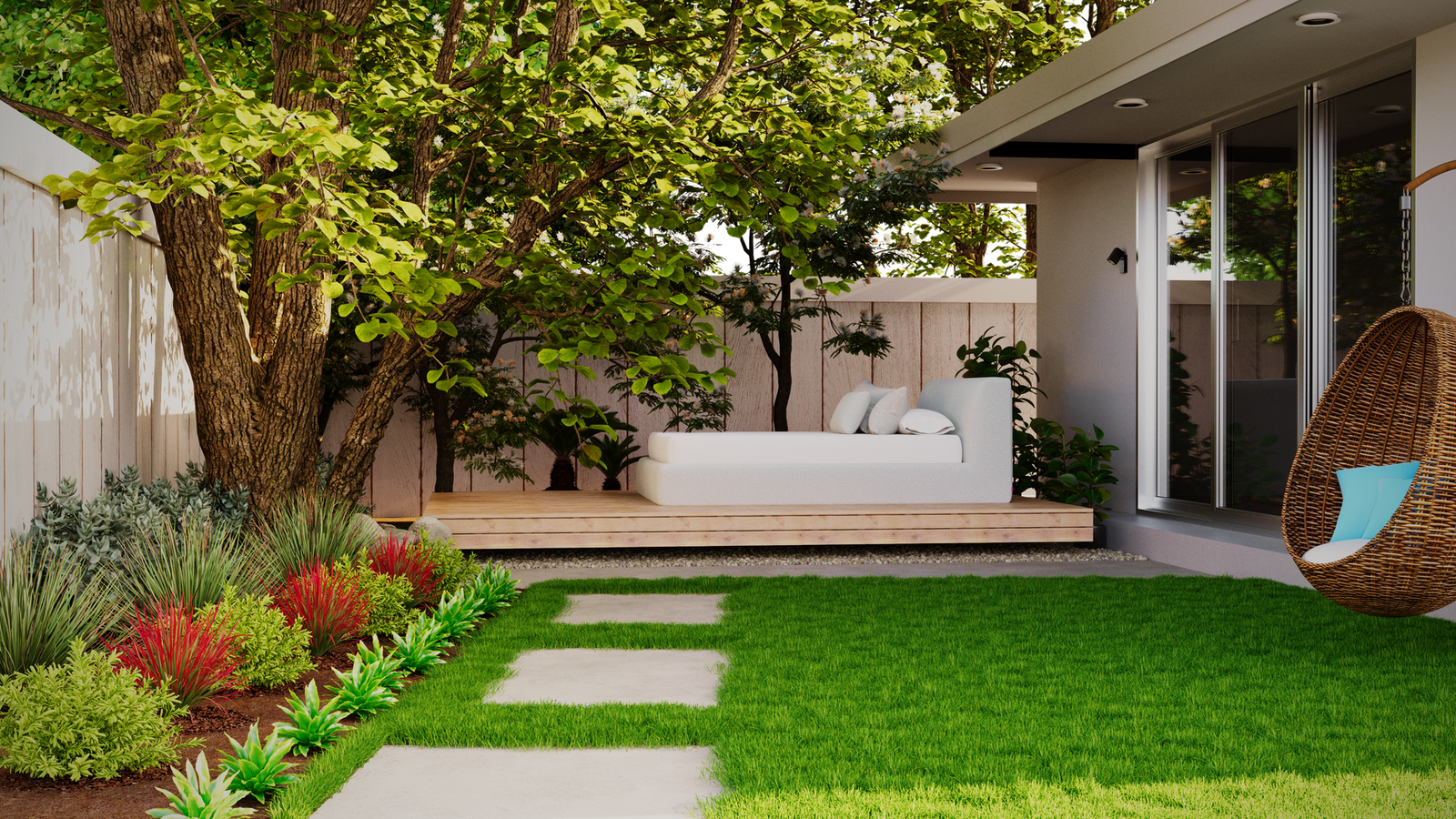
Hiring a professional garden designer in 2026 is an investment in property value and outdoor living quality. Costs typically range from a few hundred dollars for a basic consultation to over $10,000-$20,000 for comprehensive landscape overhauls, varying significantly based on numerous factors. Understanding these variables is crucial for homeowners planning outdoor space transformations. This guide provides a detailed breakdown of 2026 costs, covering service levels, project complexities, and regional economic influences.
Key Factors Influencing Garden Design Costs in 2026
Project Scope and Complexity
The extent of design work is paramount. A simple garden refresh with minor plant selection costs less than a complete landscape transformation. Complex projects include hardscaping (patios, retaining walls), water features, outdoor kitchens, custom lighting, and intricate planting. Each added detail and construction element increases design hours and specialized knowledge, directly impacting fees. Integrating advanced smart irrigation or bespoke outdoor art elevates complexity and cost.
Size of the Garden
Designers typically charge based on project size, either as a flat fee or per-square-foot. Smaller urban gardens may have higher per-square-foot costs due to intense detail. Expansive properties incur greater overall costs due to sheer area. Costs scale with space, larger plots requiring more extensive site analysis and material planning.
Designer’s Experience and Reputation
Experience and reputation significantly influence pricing. Emerging designers may offer competitive rates. Highly sought-after professionals with decades of experience, awards, and a strong brand command premium fees. Their expertise often yields innovative solutions, smoother execution, and higher long-term value, justifying the investment.
Geographic Location
Regional economic variations heavily influence costs. Designers in major metropolitan areas or high-cost-of-living regions typically charge more than those in rural locales. This reflects local overheads, wage rates, and market demand. Design fees in cities like New York or Los Angeles are notably higher.
Service Level Required
Specific services determine cost. This ranges from a brief initial consultation to a comprehensive master plan, or full project management including contractor liaison and site supervision. Each escalating level of engagement adds to the designer’s fee.
Breakdown of Garden Design Service Levels and Associated Costs (2026 Estimates)
Initial Consultation
A site visit and discussion of the homeowner’s vision, needs, and budget, providing preliminary advice. Costs range from $200 to $700 for 1-2 hours, often credited towards a full design package.
Conceptual Design
Developing preliminary ideas, mood boards, and basic layout sketches, focusing on overall feel and functional zones. For small to medium projects, conceptual design can cost from $800 to $3,000, depending on complexity.
Master Plan Development
This comprehensive stage includes detailed drawings: site plans, planting plans, hardscaping layouts, lighting plans, and material specifications. It provides all information for contractors to build. For a typical residential garden, a master plan can range from $3,000 to $10,000+, with larger or more intricate designs reaching the higher end.
Construction Documentation
Beyond the master plan, highly technical drawings and specifications for complex elements (e.g., custom pergolas, outdoor kitchens) ensure precise execution. This service can add $1,500 to $5,000+, depending on detail complexity.
Project Management & Oversight
For a hands-off approach, designers offer project management: contractor selection, bid review, site visits, and quality control. This is typically charged hourly ($100-$250 per hour) or as a percentage of construction cost (10-20%). Oversight prevents costly mistakes and ensures design vision realization.
Post-Completion Support
Some designers offer follow-up consultations for maintenance advice or seasonal adjustments, typically billed at their standard hourly fee.
Industry Trends and Modern Material Developments Impacting 2026 Costs
Sustainable Design Principles
Sustainability drives 2026 designs. Permeable paving, native and drought-tolerant plants, and locally sourced/recycled materials are common. While some sustainable materials (e.g., advanced permeable pavers, high-efficiency irrigation) may have higher upfront costs, long-term benefits in reduced water usage and maintenance often justify the investment. Design fees reflect expertise for complex ecological integration.
Smart Garden Technology Integration
Smart home technology extends to the garden. Automated irrigation, smart lighting, and remote-controlled systems are common requests. Integrating these requires specialized design and planning, adding complexity and cost. Designers fluent in these systems provide valuable expertise, influencing fees.
Biophilic Design Integration
A growing trend, biophilic design connects residents with nature by blurring indoor/outdoor lines, prioritizing natural light, and incorporating natural materials. Achieving biophilic environments demands bespoke elements and meticulous material/plant selection, impacting design complexity and procurement costs.
Innovative Materials
The 2026 market offers recycled composites (decking/fencing), advanced porcelain pavers, lightweight concrete, and self-cleaning surfaces. These often have higher per-unit costs but provide extended lifespan, reduced maintenance, and enhanced aesthetics. The designer’s role in specifying these cutting-edge materials adds to project value and influences design fees.
Labor and Material Cost Inflation
General economic factors, including inflation in skilled labor wages and material production costs, influence pricing across construction and design sectors in 2026. This means design fees and construction budgets generally trend upwards, requiring careful financial planning.
Maximizing Value When Hiring a Garden Designer
Clear Communication of Budget and Vision
Providing the designer with a clear budget and detailed vision from the outset is crucial. This enables tailored proposals, focusing on realistic solutions and avoiding unnecessary redesigns. Open dialogue ensures alignment.
Consider a Phased Approach
For larger projects with budget constraints, a phased approach helps. A homeowner can engage a designer for a master plan, then implement the garden in stages over several years. This spreads financial outlay and allows adjustments.
Obtain Multiple Quotes
While design quality and personal rapport are vital, obtaining proposals from several qualified designers allows comparison of services, approaches, and pricing. This due diligence aids informed decisions.
Review Portfolios and References
Reviewing a designer’s portfolio reveals their aesthetic style and quality. Speaking with past clients offers insight into communication, professionalism, and project delivery. This research is instrumental in selecting a suitable professional.
The cost of hiring a professional garden designer in 2026 varies significantly based on project complexity, garden size, designer expertise, and regional economics. While an initial investment may seem substantial, a professionally designed outdoor space enhances property value, functionality, and residents’ quality of life. Understanding these cost components and leveraging industry trends empowers homeowners to make informed decisions for their ideal outdoor sanctuary.