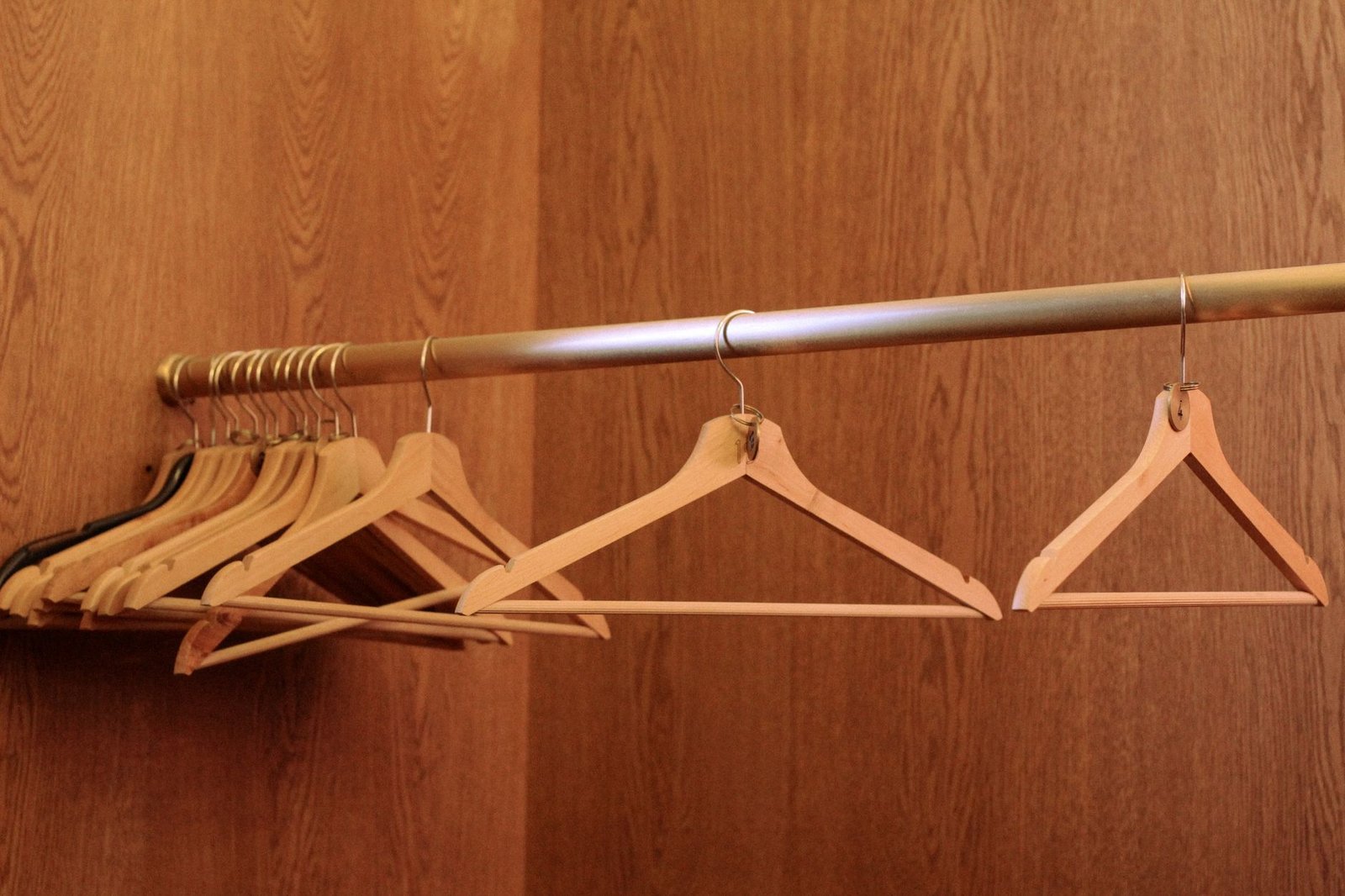
An overflowing small closet often presents a persistent organizational challenge for residents seeking order and efficiency. The immediate solution to transforming such a space lies not in expanding its footprint, but in strategically harnessing its vertical potential. By implementing targeted vertical storage hacks, homeowners can effectively double their usable storage capacity, creating a tidy and highly functional environment. This article explores eight innovative vertical storage solutions for 2026, integrating modern materials and smart technology to optimize any compact closet.
Understanding Verticality: The Foundation of Closet Transformation
The concept of vertical storage pivots on maximizing every available inch from the floor to the ceiling. Instead of allowing items to spread horizontally and create clutter, this approach encourages upward expansion, making previously unused wall space productive. For small or perpetually overflowing closets, this paradigm shift from width-centric thinking to height-centric organization is not merely a suggestion but a fundamental requirement for reclaiming order. It means viewing the closet as a three-dimensional volume, not just a two-dimensional floor plan, and leveraging products designed to stack, suspend, or affix vertically.
Maximizing Every Inch: 8 Vertical Storage Hacks for 2026
Transforming an overwhelmed closet into a streamlined sanctuary requires thoughtful application of vertical principles. The following eight hacks offer actionable strategies and product considerations for homeowners in 2026.
1. Modular Adjustable Shelf Systems
-
The Hack: Install shelf systems that can be easily repositioned or expanded. Modern systems in 2026 often feature sustainable engineered wood with low VOC finishes or recycled aluminum components, offering both strength and ecological consciousness. These allow for precise customization of shelf height to accommodate varying item sizes, from folded garments to storage bins.
-
2026 Trend: Look for lightweight, durable panels crafted from reclaimed or rapidly renewable materials, often integrated with smart, tool-free locking mechanisms for effortless re-configuration. Some high-end systems include integrated, motion-activated LED lighting for enhanced visibility.
2. Door-Mounted Organizers
-
The Hack: The back of a closet door is often an overlooked vertical asset. Over-the-door organizers, whether for shoes, accessories, or even cleaning supplies, can free up significant interior shelf or floor space. Designs in 2026 emphasize slim profiles and multi-functional pockets.
-
2026 Trend: Expect door organizers made from durable, washable bioplastics or recycled textiles. Magnetic or adhesive-backed variants that require no drilling are gaining popularity, along with transparent pockets for quick item identification.
3. Tiered Hanging Organizers
-
The Hack: Extend hanging capacity vertically within the existing rod space. Multi-level skirt/pant hangers, cascading clothes hangers, and fabric hanging shelves can compartmentalize garments and accessories, utilizing the full height beneath the hanging rod.
-
2026 Trend: Innovations include ultra-slim hangers made from carbon fiber composites for maximum space-saving and strength, alongside fabric shelf units constructed from recycled polyester felt, offering breathability and a modern aesthetic. Some feature integrated RFID tags for inventory tracking via smart home apps.
4. Smart Drawer Dividers & Stackable Bins
-
The Hack: While seemingly horizontal, dividers and stackable bins bring vertical organization to drawers and shelves. By creating defined compartments, items are prevented from becoming jumbled, allowing for denser, more organized storage both inside drawers and stacked on open shelves.
-
2026 Trend: Modular drawer dividers crafted from bamboo or transparent recycled PET plastic are prevalent. Stackable bins with interlocking designs ensure stability, and some versions incorporate UV-protective finishes for delicate fabrics. Smart bin systems with pressure sensors can even alert the homeowner to low stock levels for certain items.
5. Wall-Mounted Hooks & Pegboards
-
The Hack: Dedicate wall space for frequently used items. Pegboard systems, once relegated to workshops, have been reimagined with aesthetic designs and versatile attachments for jewelry, scarves, belts, bags, or even lightweight garments. Individual hooks, strategically placed, can also dramatically improve accessibility.
-
2026 Trend: Modern pegboards are available in elegant powder-coated metals, sustainable wood, or even cork composite materials. Interchangeable accessories, from mini shelves to specialized holders, enhance functionality. Advanced versions may include proximity sensors to help locate specific items.
6. Slim Vertical Shoe Racks
-
The Hack: Traditional shoe storage often consumes valuable floor space. Vertical shoe racks, designed with multiple tiers and a narrow footprint, elevate footwear, freeing up the closet floor for other uses or clear passage.
-
2026 Trend: Focus is on minimalist designs using lightweight, durable recycled plastics or bamboo. Anti-slip surfaces and ventilation features are standard. Compact, rotating vertical carousels are also emerging for high-density shoe storage.
7. Ceiling-Mounted Rods or Drop-Down Shelves
-
The Hack: For seasonal items or rarely accessed belongings, the highest reaches of a closet can be utilized. Ceiling-mounted rods can hold garment bags, while drop-down shelves or lifts provide access to bins stored overhead, making full use of the often-neglected space above the main hanging rod.
-
2026 Trend: Automated lift systems are becoming more accessible, allowing residents to electronically lower and raise shelves or rods. These systems prioritize safety and ease of use, often controlled via smart home platforms or voice commands, and are built with aerospace-grade aluminum for reliability.
8. Integrated Closet System Components
-
The Hack: For a comprehensive overhaul, integrating a full, custom-designed vertical closet system offers the most seamless solution. These systems typically combine shelving, drawers, hanging rods, and specialized compartments into a cohesive, floor-to-ceiling unit.
-
2026 Trend: Expect highly customizable modular components that snap together without tools, leveraging smart materials like recycled polymer composites. Advanced systems may incorporate self-adjusting lighting, integrated charging stations, and even biometric security for sensitive items. Biophilic design principles are also influencing aesthetics, with natural wood grains and earthy tones creating a calming environment.
Modern Materials & Smart Tech: Elevating Storage in 2026
The year 2026 brings exciting advancements in both material science and smart technology, significantly enhancing the functionality and aesthetics of home organization solutions. Sustainable choices are no longer a niche but a mainstream expectation, while intelligent integrations provide unprecedented convenience.
Sustainable Material Innovations
-
Recycled & Bioplastics: Products crafted from recycled PET from ocean plastics or plant-based bioplastics offer durable, lightweight, and eco-conscious options for bins, dividers, and accessory organizers. Their production often boasts a significantly lower carbon footprint.
-
Engineered & Reclaimed Woods: Sustainably sourced bamboo, FSC-certified engineered wood, and reclaimed timber provide strong, beautiful, and renewable materials for shelving and drawer units, often treated with non-toxic, low-VOC finishes.
-
Advanced Composites: Carbon fiber composites are increasingly used for ultra-slim, strong hangers and structural components, offering incredible strength-to-weight ratios and longevity.
Smart Technology Integration
-
RFID/NFC Inventory Management: Tiny, unobtrusive tags on garments or bins can integrate with a resident’s smart home app, providing a digital inventory, aiding in outfit planning, and even suggesting items for donation or dry cleaning.
-
Adaptive Lighting: Motion-activated LED strips, often with adjustable color temperatures, illuminate closet interiors without the need for manual switches, making item retrieval effortless and showcasing contents clearly.
-
Automated & Voice-Controlled Systems: High-end solutions feature motorized rods or shelves that can be lowered or raised with a voice command or a tap on a smartphone, catering to accessibility and maximizing vertical reach without ladders.
-
Integrated Air Quality: Some premium closet systems for 2026 include discreet ventilation and humidity control units, ensuring garments remain fresh and protected from mold or mildew.
Maintaining the Organized Aesthetic
Implementing vertical storage solutions is the first critical step; however, sustaining an organized closet requires ongoing commitment. Regular decluttering sessions are paramount, encouraging the homeowner to periodically assess items and remove those no longer needed. Adopting a