
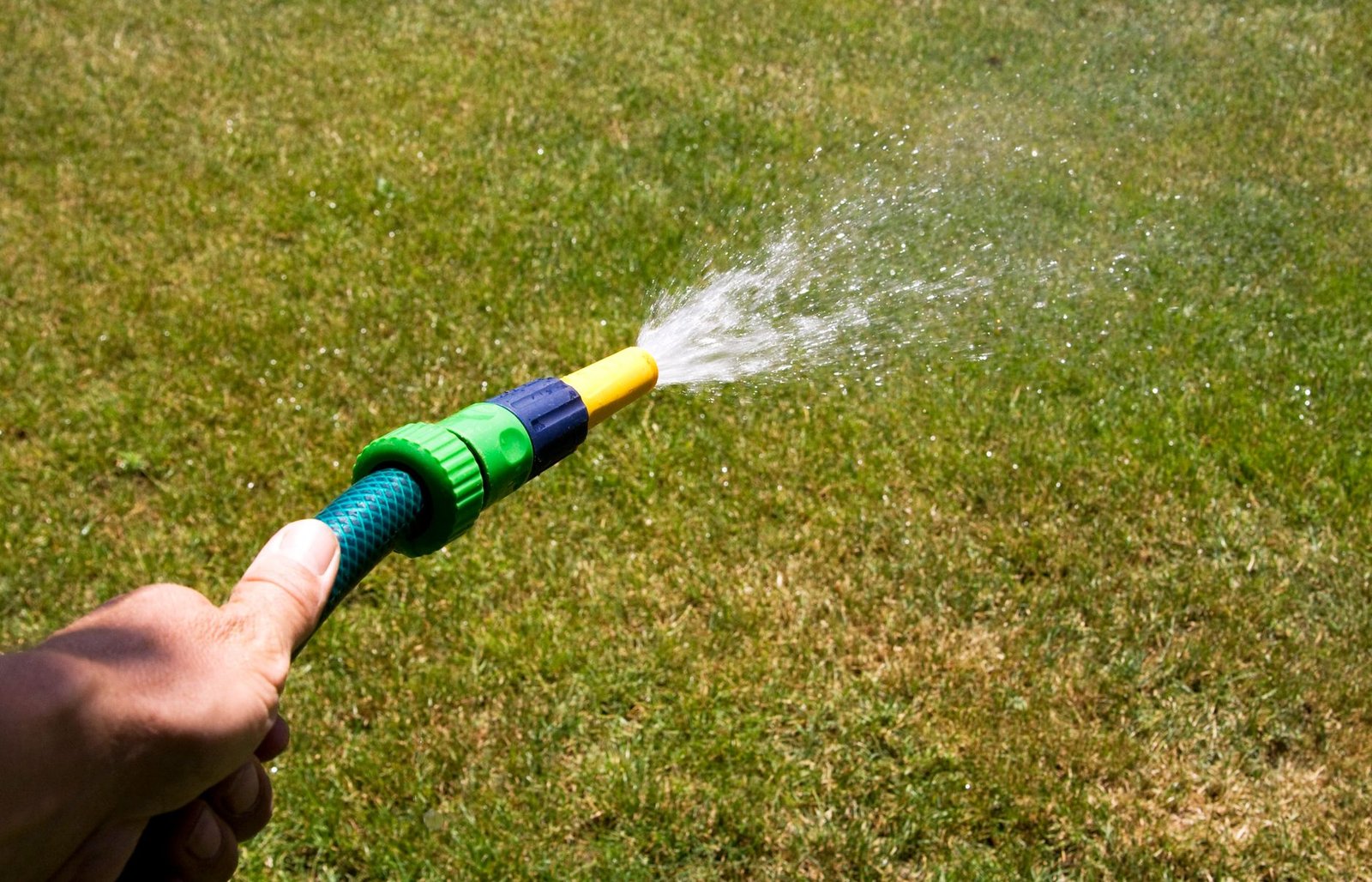
For optimal lawn health in 2026, turf care professionals generally recommend that most lawns undergo core aeration annually, particularly in areas with heavy foot traffic, clay soils, or a history of compaction. This crucial practice, ideally performed in the fall or early spring during active growth periods, ensures deeper nutrient penetration, improved water absorption, and a more robust root system, directly leading to a thicker, healthier turf. Understanding the specific needs of a lawn and recognizing the signs of compaction are key to determining the precise frequency for the best possible outcomes.
Understanding the Benefits of Lawn Aeration
Lawn aeration is the process of creating small holes in the turf to alleviate soil compaction. Compacted soil chokes grass roots by restricting their access to essential elements like air, water, and nutrients. When soil becomes too dense, water tends to run off rather than penetrate, and fertilizers may sit on the surface, largely wasted. Furthermore, compacted soil creates an unfavorable environment for beneficial microorganisms that contribute to soil health.
By breaking up this compacted layer, aeration offers several significant advantages:
- Improved Air Exchange: Allows oxygen to reach grass roots and carbon dioxide to escape.
- Enhanced Water Penetration: Reduces runoff, ensuring water reaches the root zone more effectively.
- Better Nutrient Absorption: Fertilizers and soil amendments can more easily reach the grass roots.
- Stronger Root Development: Roots can grow deeper and spread wider, making the turf more resilient to drought and disease.
- Reduced Thatch Buildup: Helps break down the layer of dead and living organic matter that accumulates on the soil surface.
- Increased Resiliency: A healthier root system means a lawn that is better equipped to withstand environmental stresses, pests, and diseases.
When and Why to Aerate a Lawn
The ideal timing for aeration depends largely on the type of grass predominant in the region. For cool-season grasses (e.g., fescue, ryegrass, bluegrass), aeration is best performed in early fall (September-October) or early spring (March-April). These periods allow the grass to recover quickly before the stress of summer heat or winter dormancy. For warm-season grasses (e.g., Bermuda, Zoysia, St. Augustine), late spring or early summer (May-July) is generally preferred, as this is when these grasses are actively growing and can rapidly fill in the aerated holes.
Signs a Lawn Needs Aeration
Observing specific indicators can help the homeowner determine if a lawn is a candidate for aeration, regardless of the annual schedule:
- Standing Water: Persistent puddles after rainfall indicate poor drainage.
- Thinning or Patchy Growth: Areas where grass struggles to grow despite adequate watering and fertilization.
- Hard, Compacted Soil: If a screwdriver or shovel is difficult to push into the soil, it is likely compacted.
- Heavy Thatch Layer: A thatch layer thicker than half an inch can prevent water and nutrients from reaching the soil.
- High Traffic Areas: Lawns regularly used for foot traffic, sports, or parking will compact faster.
- Clay Soils: These soil types are inherently prone to compaction.
For residences with newly established lawns or those with naturally sandy soils, aeration might be less frequent, perhaps every two to three years. However, for most established lawns, particularly those facing the aforementioned issues, an annual schedule is prudent.
Modern Aeration Techniques and Tools for 2026
In 2026, homeowners have access to increasingly efficient and user-friendly aeration tools and techniques. The primary distinction remains between spike aerators and core (or plug) aerators.
Core Aeration: The Recommended Method
Core aeration is overwhelmingly recommended by turf professionals. This method involves removing small plugs of soil, creating channels that allow air, water, and nutrients to penetrate deeply. The removed plugs are typically left on the lawn to break down naturally, returning beneficial microorganisms and organic matter to the soil surface.
Tools for Core Aeration in 2026:
- Electric and Battery-Powered Aerators: Significant advancements in battery technology mean robust, cordless core aerators are widely available. These models offer the power of gas aerators without the emissions, noise, or maintenance complexities, making them ideal for residential users. Modern designs emphasize ergonomic handling and maneuverability.
- Robotic Aerators: For the tech-savvy homeowner, autonomous robotic lawn care systems are evolving. While still a niche market, some high-end robotic mowers in 2026 incorporate modular attachments for light aeration tasks, capable of operating on a scheduled basis. These represent a significant leap in convenience for continuous soil health maintenance.
- Rental Core Aerators: For users who prefer a once-a-year approach without the investment, commercial-grade core aerators are readily available for rent from home improvement stores. These machines are powerful and efficient for larger lawns.
- Manual Core Aerators: For small areas or spot treatments, manual core aerators (foot-operated tools) are a cost-effective and environmentally friendly option. Modern versions feature improved tine designs for easier soil penetration.
Spike Aeration: Limited Effectiveness
Spike aerators simply poke holes in the soil with solid tines. While this can provide some immediate, albeit temporary, relief from surface compaction, it does not remove soil. In clay soils, spike aeration can sometimes exacerbate compaction by further pressing soil particles together at the edges of the holes. Therefore, for long-term soil health, core aeration is always the superior choice.
Preparation and Technique
Effective aeration requires proper preparation:
- Mow the Lawn: A shorter lawn allows the aerator tines to penetrate the soil more easily.
- Water the Lawn: The day before aeration, deeply water the lawn to soften the soil. This ensures the aerator can pull out full soil plugs rather than just poking holes. Avoid over-watering, which can lead to muddy conditions.
- Mark Obstacles: Clearly mark any sprinkler heads, shallow utility lines, or buried dog fences to prevent damage. Modern smart lawn systems can often provide digital maps of these elements for automated guidance.
- Passes: For best results, make at least two passes over the lawn with a core aerator, ideally in perpendicular directions. This maximizes the number of holes and ensures thorough coverage.
Post-Aeration Care: Maximizing Results
The period immediately following aeration is critical for optimizing lawn health. The open holes provide an excellent opportunity for various soil amendments and lawn care practices:
- Overseeding: If the lawn is thin or patchy, overseeding directly after aeration is highly effective. The seeds fall into the newly created holes, where they have excellent seed-to-soil contact and improved conditions for germination and establishment. Modern seed blends often include drought-resistant varieties and beneficial microbes.
- Fertilization: Apply a slow-release granular fertilizer immediately after aeration. The nutrients will more readily reach the root zone, promoting strong new growth and recovery. In 2026, eco-friendly, soil-enhancing fertilizers with integrated biostimulants are gaining popularity for their sustainable benefits.
- Topdressing: Consider applying a thin layer of compost or sand-compost mixture. This improves soil structure and organic content, enhancing the long-term benefits of aeration. Biodegradable soil conditioners are an emerging trend to further augment this practice.
- Watering: Continue regular watering to help the grass recover and for any new seeds to germinate. Ensure the soil remains moist, but not waterlogged. Many smart irrigation systems in 2026 can automatically adjust watering schedules based on soil moisture sensors and weather forecasts, optimizing post-aeration hydration.
- Leaving the Plugs: Allow the soil plugs to break down naturally on the lawn. They will decompose, returning nutrients and beneficial soil organisms to the turf surface. This usually takes a week or two.
By adhering to an annual core aeration schedule, paying attention to the lawn’s specific needs, and leveraging modern tools and post-care practices, homeowners can cultivate a truly exceptional lawn in 2026 – one that is not only beautiful but also resilient and environmentally robust.