
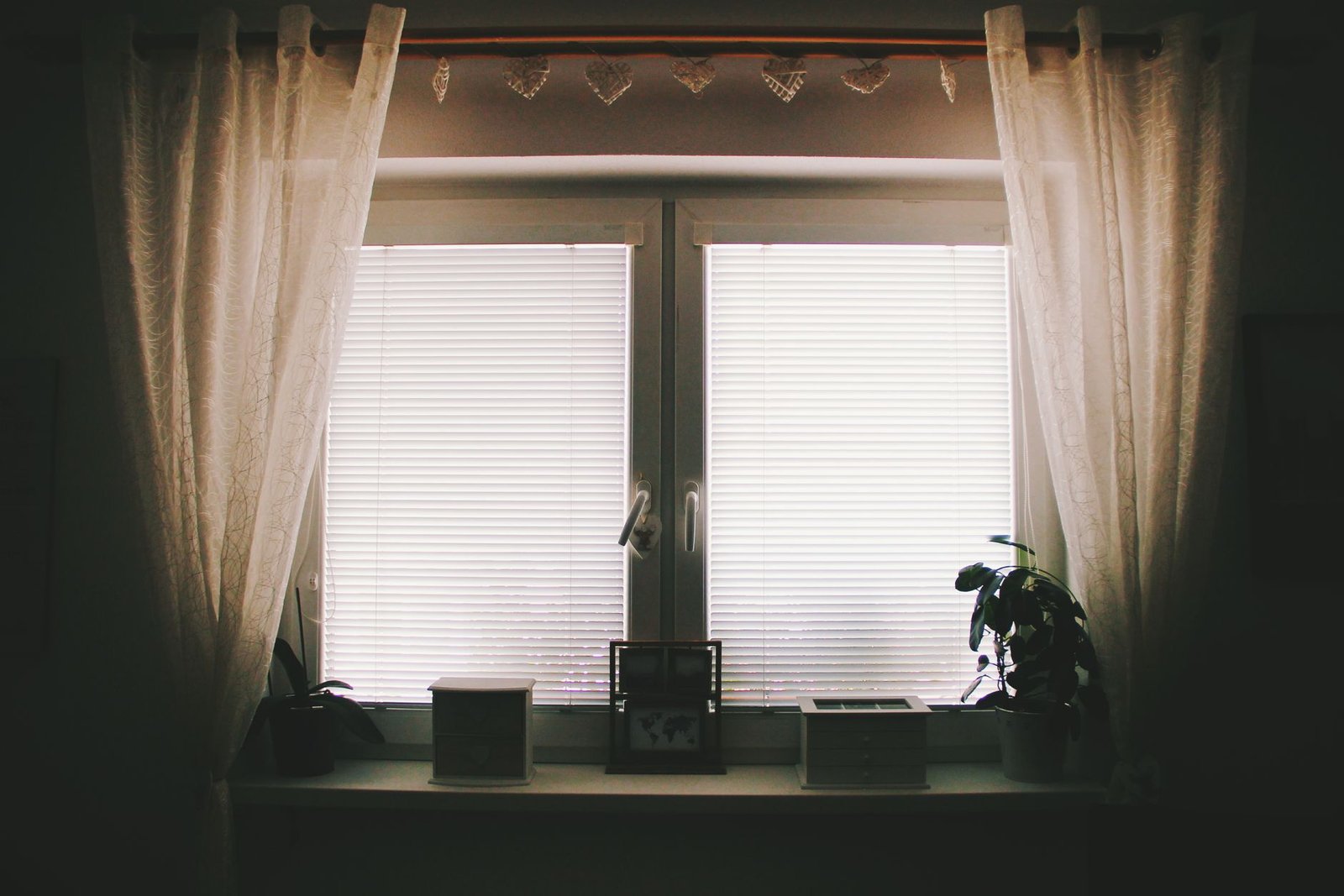
In 2026, the choice between blinds and curtains for light control and privacy remains a central consideration for homeowners enhancing their domestic spaces. While both offer distinct advantages, neither is definitively superior across all scenarios; the optimal selection hinges on specific functional requirements, aesthetic preferences, and evolving technological integrations. Contemporary trends lean towards intelligent solutions and sustainable materials, influencing the performance and appeal of both window treatments.
Blinds: Modern Innovations and Advantages
Blinds, in their various modern iterations, offer unparalleled precision in managing natural light and maintaining privacy. Their structured designs and diverse material compositions make them a formidable choice for contemporary interiors.
Precision Light Control
The primary draw of blinds is their ability to offer granular control over incoming light. Venetian and vertical blinds allow for intricate adjustments of slats or vanes, enabling residents to direct light upward or downward, minimizing glare without sacrificing ambient illumination. Roller blinds, particularly those with dual-layer systems, provide options for diffused light with sheer fabrics or complete blackout when fully lowered. Cellular or honeycomb blinds excel in both light diffusion and thermal insulation, trapping air to regulate indoor temperatures, a critical feature in 2026’s energy-conscious homes.
Privacy and Security
When fully closed, most blinds offer complete privacy, creating an opaque barrier against external views. Top-down/bottom-up cellular and Roman blinds provide unique privacy solutions, allowing natural light to enter from above while shielding the lower portion of the window from prying eyes. Many modern blinds are also integrated with smart home security systems, offering automated closing schedules or remote operation, enhancing overall home security protocols.
Material Trends for 2026
The materials employed in 2026’s blinds are increasingly innovative and sustainable. Recycled aluminum, bamboo composites, and PVC-free fabrics are prevalent, aligning with eco-conscious design principles. Smart materials are also gaining traction, featuring solar-reflective coatings that reduce heat gain and advanced polymer blends offering enhanced durability and UV resistance. Textured weaves and matte finishes are preferred, providing a sophisticated, understated aesthetic.
Aesthetic Versatility
Blinds are celebrated for their clean lines and minimalist profiles, complementing a wide array of interior design styles, from industrial chic to serene Scandinavian. Customization options abound, including motorization for ease of use, a vast palette of colors, and various textures, allowing for seamless integration into any design scheme.
Curtains: Evolving Aesthetics and Functionality
Curtains, with their inherent softness and decorative potential, continue to be a popular choice, evolving to meet modern demands for comfort, style, and performance.
Softening Spaces and Enhancing Acoustics
Curtains introduce a tactile softness and visual warmth that hard window treatments cannot replicate. They drape elegantly, adding texture, color, and pattern, thereby enriching the room’s aesthetic. Beyond aesthetics, curtains significantly contribute to a room’s acoustic comfort, absorbing sound and reducing echoes, a valuable attribute in open-plan living spaces. This acoustic benefit is further enhanced in 2026 with specialized sound-dampening fabrics.
Layered Privacy and Thermal Performance
While a single curtain layer may offer less precise light control than blinds, the ability to layer different fabrics provides superior versatility. Sheer curtains can diffuse light while maintaining daytime privacy, while heavier drapes can be drawn for complete nighttime privacy and light blockage. Thermal-lined curtains are experiencing a resurgence, employing advanced insulating interlinings to minimize heat loss in winter and heat gain in summer, rivaling the thermal performance of cellular blinds. The use of innovative smart textiles allows for automated adjustments based on ambient temperature or light conditions.
Textile Innovations for 2026
Sustainable and high-performance textiles dominate the curtain market in 2026. Organic cottons, recycled polyesters, linen blends, and hemp fabrics are favored for their environmental credentials and natural appeal. Advances in weaving technology have led to fabrics that are inherently wrinkle-resistant, stain-repellent, and fade-resistant, significantly improving longevity and ease of maintenance. Smart textiles, embedded with subtle conductive threads, are also emerging, allowing for discrete integration with smart home systems for silent, automated movement.
Design Impact
Curtains offer unparalleled opportunities for bold design statements. Their expansive surface area allows for significant artistic expression through patterns, colors, and textures, creating focal points or blending seamlessly with existing decor. The choice of header style (e.g., pinch pleat, grommet, rod pocket) further refines their visual impact, contributing to the overall architectural character of a space.
Making the Optimal Choice for the Modern Home
Selecting between blinds and curtains in 2026 involves a careful evaluation of the room’s purpose, the resident’s lifestyle, and the home’s overall design philosophy.
Considering Room Function
- Living Rooms and Dining Areas: Often benefit from the aesthetic flexibility and acoustic benefits of curtains, possibly layered with sheers or smart blinds for dynamic light management.
- Bedrooms: Prioritize blackout and privacy. Thermal-lined curtains or blackout roller blinds are excellent choices. Smart motorized options enhance comfort and convenience.
- Kitchens and Bathrooms: Blinds, particularly those made from moisture-resistant materials like PVC composites or treated wood, are often preferred for their durability and ease of cleaning in high-humidity environments.
- Home Offices: Precision light control is paramount to reduce screen glare. Venetian or cellular blinds offer excellent solutions, often paired with sound-absorbing panels for optimal concentration.
Budgetary and Maintenance Considerations
The initial investment for both blinds and curtains can vary significantly based on materials, customization, and motorization. Generally, custom-made, high-quality, or smart-enabled options will incur higher costs. Maintenance is another factor: blinds typically require regular dusting and occasional spot cleaning, while curtains may need professional dry cleaning or careful laundering, depending on the fabric. Advances in fabric technology, however, are making many modern curtain materials more resistant to dust and stains, simplifying their care.
Integration with Smart Home Systems
A significant trend in 2026 is the seamless integration of window treatments into wider smart home ecosystems. Both blinds and curtains are available with motorization options that can be controlled via smartphone apps, voice commands, or automated schedules. This allows for environmental optimization, adjusting light and temperature settings based on occupancy, time of day, or external weather conditions, contributing to energy efficiency and resident comfort. Compatibility with platforms like Matter and Thread is becoming a standard expectation.
Environmental Impact
Sustainability is a core consideration. Homeowners are increasingly opting for window treatments made from recycled, renewable, or low-VOC (Volatile Organic Compound) materials. Both industries are responding with innovative solutions, from blinds crafted from reclaimed wood to curtains woven from recycled ocean plastics, allowing residents to make environmentally conscious choices without compromising style or functionality.
Ultimately, the decision between blinds and curtains in 2026 is not about one being inherently better, but about which option best aligns with the specific needs of a space and the preferences of its residents. For those prioritizing precise light control, a sleek aesthetic, and low-maintenance functionality, modern blinds present compelling solutions. For homeowners seeking to introduce softness, rich textures, acoustic comfort, and expansive design potential, contemporary curtains, especially when layered or intelligently integrated, remain an enduring and versatile choice. Many modern homes effectively employ a strategic combination of both, leveraging the strengths of each to create optimal indoor environments.