Dated built-in shelving and cabinets often become forgotten relics within a home, detracting from contemporary aesthetics and hindering functional flow. Transforming these existing structures into stylish, high-impact features is entirely achievable in 2026 with thoughtful design strategies and an understanding of current material innovations. This article outlines five modern makeover ideas that empower the homeowner to revitalize these spaces, aligning them with the sophisticated and efficient trends defining this year’s interior design landscape.
Rethinking Functionality and Form: Integrating Built-Ins into Modern Living
The essence of modern interior design in 2026 revolves around seamlessness, intelligent storage, and multi-functional spaces. Old built-ins, often clunky and visually heavy, can be reimagined to embody these principles, becoming assets rather than anachronisms.
Seamless Integration with Minimalist Design
One of the most impactful transformations involves minimizing visual clutter and integrating built-ins into the surrounding architecture. This approach aligns with the prevailing minimalist aesthetic that prioritizes clean lines and unobstructed views. For existing shelving units, consider removing ornate moldings and replacing them with simple, straight-edged trim. Painting the entire built-in unit, including the back panels, in the exact same color as the surrounding wall creates a visually continuous surface. This technique, often referred to as a monochromatic scheme, makes the unit recede and feel less imposing. In 2026, popular choices for this integration include muted earth tones like sage green, warm greige, or deep charcoal, which offer sophistication without starkness. For cabinets, replacing raised panel doors with flat-panel, handleless versions (featuring push-to-open mechanisms) instantly modernizes the look. Materials like matte lacquered MDF or even solid surface composites offer durable, sleek finishes that are easy to maintain and contribute to a high-end, bespoke feel.
Dynamic Display and Concealed Storage Solutions
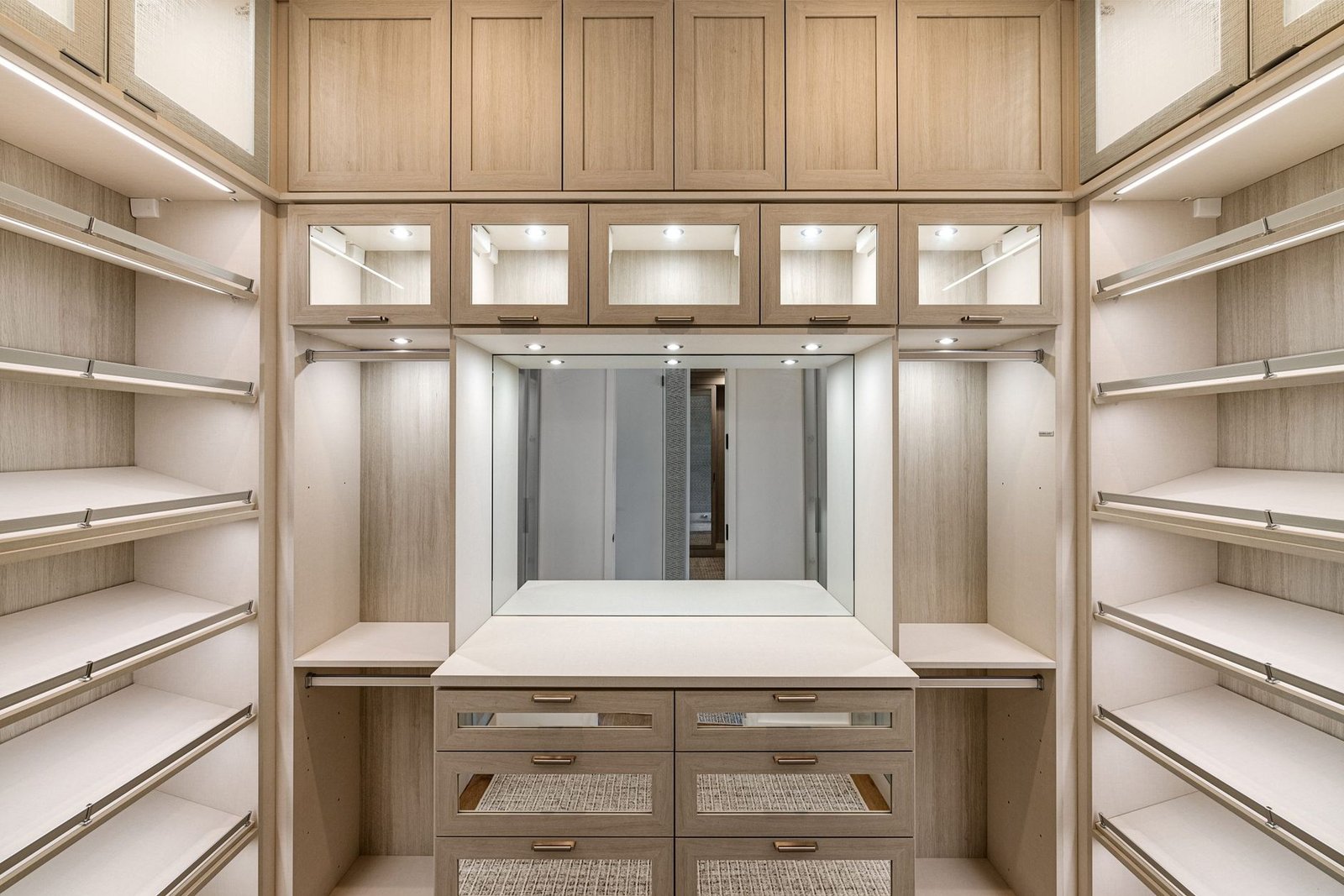
Modern homes in 2026 balance open display with ample concealed storage. Dated built-ins often feature too much open shelving, leading to visual clutter. The resident can achieve a dynamic balance by incorporating a mix of open and closed sections. This could involve adding new cabinet doors to some open shelves or installing pull-out drawers for items that benefit from being hidden. For display areas, consider integrating linear LED lighting strips along the underside of shelves to highlight curated objects, a common feature in upscale 2026 interiors. Flexible shelving systems, allowing for adjustable heights, are also a practical update. For materials, explore translucent or ribbed glass inserts for cabinet doors, offering a hint of what’s inside without full exposure, or incorporate panels of sustainable woven wood or recycled composite materials for a textural contrast. These choices reflect a move towards thoughtful, curated display rather than overwhelming collections.
Material Innovation and Color Psychology: Elevating Aesthetics
The materials and colors chosen for a built-in makeover play a pivotal role in dictating its overall impact. 2026 trends emphasize sustainable choices, tactile textures, and a sophisticated color palette that promotes comfort and well-being.
Sustainable and Smart Material Upgrades
The current year places a strong emphasis on sustainability. When updating built-ins, consider materials that are both aesthetically pleasing and environmentally conscious. Replacing old particleboard shelves with reclaimed wood planks, for example, adds character and reduces waste. For cabinet doors, panels crafted from bamboo plywood, low-VOC engineered wood, or even recycled plastic composites designed to mimic natural textures are excellent choices. Surfaces can be finished with natural oils or water-based, low-VOC paints that are healthier for indoor air quality. Smart laminates, which offer enhanced durability and scratch resistance, are also making strides, providing a budget-friendly yet sophisticated option for facing existing structures. Furthermore, the integration of innovative materials like lightweight concrete panels or even bio-resins can provide unique textural elements, pushing the boundaries of traditional built-in design.
Strategic Color and Texture Application
Color and texture are powerful tools for transformation. While monochromatic schemes are popular, a strategic application of contrasting colors or textures can turn a built-in into a focal point. Consider painting the interior back panel of an open shelf unit in a deeper, richer hue than the exterior frame. This creates depth and a curated backdrop for display items. Textural wallcoverings made from natural fibers like grasscloth or cork can also be applied to back panels for an instant update, adding warmth and biophilic interest. For the exterior, beyond painting, applying wood veneers (especially those with pronounced grain) or even fluted or reeded paneling is a strong 2026 trend that adds sophisticated architectural detail. The use of matte finishes is particularly prominent, offering a soft, sophisticated look that absorbs light rather than reflecting it brightly, contributing to a calm and inviting atmosphere.
Tech Integration and Personalization: Tailoring for the Future
Modern built-ins are not just storage solutions; they are integrated components of a smart, personalized home environment. The final idea focuses on bringing these structures into the technological age while reflecting the homeowner’s unique needs.
Smart Home Integration and Bespoke Solutions
The built-in of 2026 is often a hub for hidden technology. Consider integrating discreet charging stations for mobile devices within drawers or behind cabinet doors. Smart lighting controlled by voice commands or an app can be installed within shelves, allowing the resident to adjust ambiance instantly. For built-ins in living areas, incorporating a recessed space for a television, complete with hidden cable management, creates a streamlined media center. Furthermore, for a truly bespoke solution, explore custom inserts for specific items, such as wine storage, record collections, or hobby supplies. This level of personalization elevates the built-in from a generic unit to a highly functional, tailored piece of furniture. Sound-dampening materials can be incorporated into entertainment units, and even small, integrated air purifiers can be considered for specific sections, reflecting a holistic approach to domestic comfort. The focus here is on creating a built-in that works harder and smarter, enhancing daily life through thoughtful design and technological integration.
Conclusion
Dated built-ins are not an irreversible design flaw but rather an opportunity for creative reinvention. By embracing minimalist principles, incorporating smart storage, leveraging sustainable materials, applying strategic colors and textures, and integrating modern technology, the homeowner can transform these often-overlooked features. These five makeover ideas for 2026 demonstrate that with foresight and a touch of design ingenuity, built-ins can evolve from outdated eyesores into integral, stylish, and highly functional elements that elevate the comfort and aesthetic appeal of any contemporary home.