
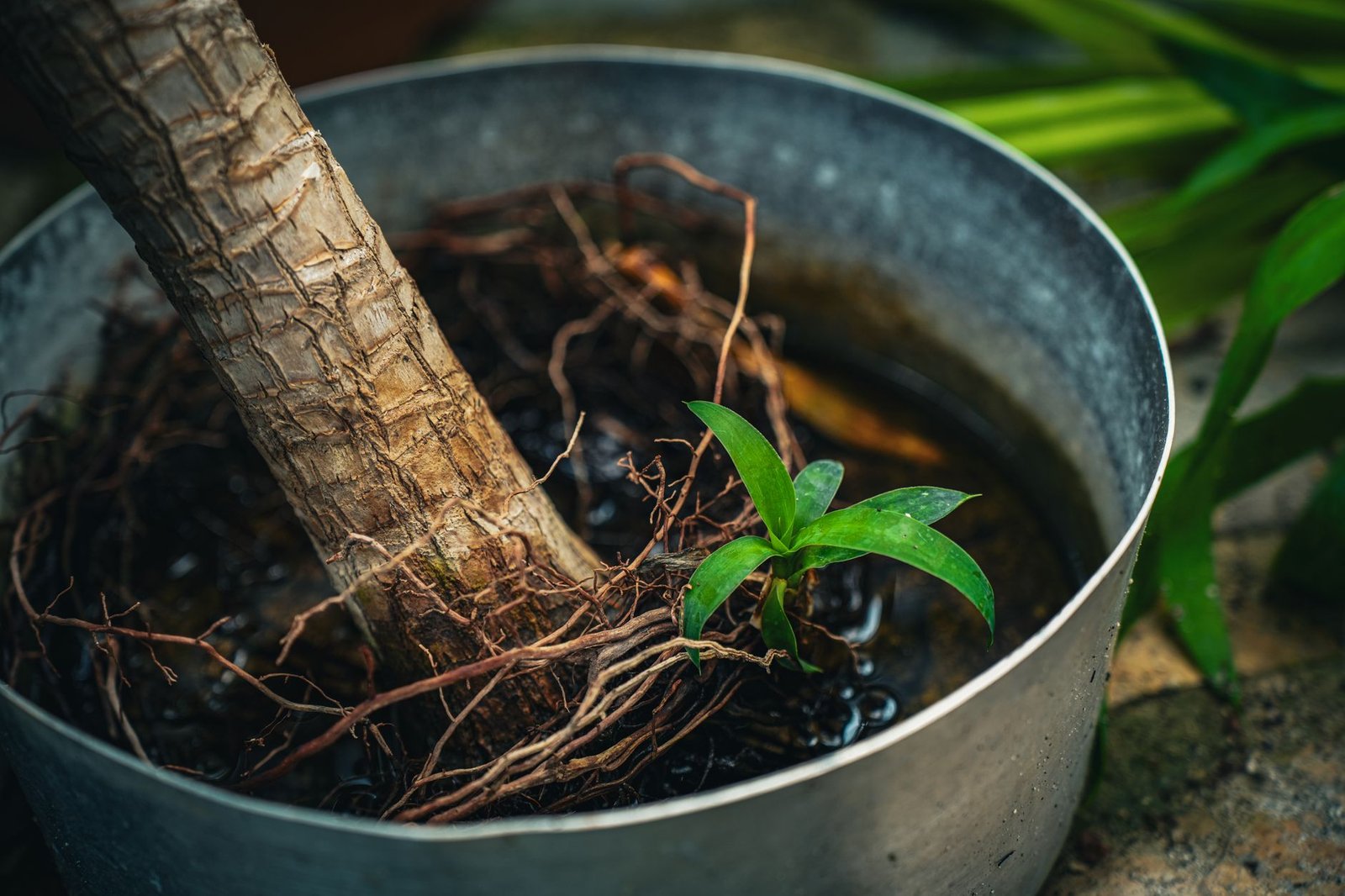
In 2026, the ongoing debate concerning the optimal potting material for robust plant health continues to be a central consideration for gardeners and homeowners. While both ceramic and terracotta pots offer distinct advantages, the determination of which is ‘better’ is not universal; instead, it hinges critically on specific plant requirements, local climate conditions, and the resident’s watering habits. Understanding the nuanced properties of each material, especially with modern advancements, is key to cultivating thriving botanical specimens.
The Enduring Appeal of Traditional Planters in 2026
Despite the proliferation of high-tech polymer and composite planters, traditional terracotta and ceramic pots maintain a significant presence in gardening for their aesthetic appeal, perceived authenticity, and established horticultural benefits. In 2026, material science has refined both options, offering enhanced durability, sustainability, and sometimes, integrated ‘smart’ features that were nascent in previous decades. The core functional differences, however, remain.
Terracotta Pots: Porosity and Plant Physiology
Terracotta, an unglazed, porous earthenware, has been a staple in gardening for millennia. Its inherent breathability is the defining characteristic that impacts plant health.
Moisture Retention and Aeration
- Pros: Terracotta’s porosity allows for excellent air circulation to the root system, which is crucial for preventing root rot—a common issue for many plant species. The material wicks moisture from the soil through its walls, promoting faster drying of the potting medium. This evaporative process helps prevent waterlogging, making it ideal for plants that prefer drier soil conditions. In 2026, some advanced terracotta formulations include microscopic channels or slightly coarser aggregates to further enhance this natural aeration without compromising structural integrity.
- Cons: The rapid drying nature of terracotta means plants may require more frequent watering, particularly in hot, arid climates or during peak growing seasons. For moisture-loving plants, this can be a significant drawback, potentially leading to wilting if not monitored closely.
Temperature Regulation
- Pros: The evaporative cooling effect of terracotta is a significant advantage in warmer environments. As water evaporates from the pot’s surface, it draws heat away from the roots, helping to maintain a cooler, more stable soil temperature. This can be critical for heat-sensitive plants during summer months.
- Cons: In cooler climates, this cooling effect can sometimes be detrimental, potentially leading to soil temperatures that are too low for optimal root activity, especially for tropical species.
Overall Plant Health Considerations
Terracotta pots are generally recommended for plants that thrive in well-drained, aerated conditions. These include succulents, cacti, many herbs, and Mediterranean plants that are susceptible to root rot in overly moist environments. The ability of terracotta to prevent water stagnation significantly contributes to the long-term health of these specific plant types. Modern terracotta often incorporates recycled clay or enhanced firing techniques for better frost resistance, addressing a historical vulnerability for outdoor use in colder regions.
Ceramic Pots: Aesthetics, Stability, and Modern Formulations
Ceramic pots, typically glazed, present a different set of advantages and challenges due to their non-porous or minimally porous nature.
Moisture Retention and Aeration
- Pros: Glazed ceramic pots retain moisture effectively because their surfaces are sealed, preventing evaporation through the pot walls. This means less frequent watering is required, which can be convenient for the resident and beneficial for plants that prefer consistently moist soil. For many tropical plants and ferns, consistent moisture is vital for healthy growth.
- Cons: The lack of porosity means air exchange at the root level is minimal, increasing the risk of overwatering and root rot if drainage holes are inadequate or watering practices are not carefully managed. Soil in ceramic pots can stay waterlogged for extended periods, suffocating roots and fostering anaerobic conditions harmful to most plants.
Temperature Regulation
- Pros: Ceramic pots provide better insulation against external temperature fluctuations compared to terracotta. In both hot and cold conditions, the glazed surface can help buffer the soil from extreme changes. Dark-colored ceramic pots can absorb more solar radiation, which can be beneficial in cooler climates, gently warming the soil.
- Cons: Conversely, dark ceramic pots can become extremely hot in direct sunlight, potentially overheating roots, especially in very warm climates. Without evaporative cooling, the soil temperature can rise unchecked.
Overall Plant Health Considerations
Ceramic pots are well-suited for moisture-loving plants such as many tropical houseplants, ferns, peace lilies, and certain flowering annuals. The reduced need for watering can also be a convenience for the resident with a busy schedule. In 2026, ceramic pot innovations include lightweight yet durable glazes, self-watering reservoirs integrated into the design, and increasingly, embedded sensors that monitor soil moisture, providing real-time data to the resident for precise watering. Environmentally conscious homeowners also appreciate the increasing availability of ceramic pots made with recycled materials and low-VOC (volatile organic compound) glazes.
Making the Optimal Choice: Plant Needs, Climate, and Maintenance
The decision between ceramic and terracotta in 2026 ultimately revolves around a thoughtful assessment of several factors:
- Plant Type:
- For succulents, cacti, orchids, and plants prone to root rot (e.g., rosemary, lavender), terracotta is generally superior due to its excellent drainage and aeration properties.
- For tropical plants, ferns, peace lilies, and plants requiring consistent moisture, glazed ceramic pots are often the better choice.
- Climate Conditions:
- In hot, dry climates, the evaporative cooling of terracotta can protect roots from overheating. However, more frequent watering will be necessary.
- In humid or cooler climates, ceramic pots can help maintain consistent soil moisture and temperature. Care should be taken with dark colors in direct sun during hot periods.
- Watering Habits:
- A resident who tends to overwater will find terracotta more forgiving.
- A resident who prefers less frequent watering or travels often might prefer ceramic, but must be diligent about not overwatering.
- Aesthetics: Both offer diverse aesthetic appeal. Terracotta provides a natural, rustic look, while ceramic offers an expansive palette of colors, finishes, and designs to complement any interior or landscape theme.
Future Trends and Sustainable Potting Solutions
Looking ahead to 2026 and beyond, sustainability and smart technology are increasingly influencing the potting industry. Manufacturers are prioritizing:
- Recycled Materials: Both terracotta and ceramic are seeing increased integration of recycled content, reducing demand for virgin resources.
- Enhanced Durability: Advanced firing processes for terracotta and stronger glaze formulations for ceramic are extending the lifespan of pots, minimizing waste.
- Integrated Sensors: ‘Smart’ pots, while often made from composites, are influencing traditional materials with add-on moisture probes that can be used effectively with both terracotta and ceramic, providing data on soil conditions.
- Frost Resistance: Improvements in material composition mean more terracotta options are reliably frost-resistant, expanding their outdoor utility in colder zones.
The choice between ceramic and terracotta pots is not about declaring one inherently superior, but rather about informed selection. By understanding the specific needs of a plant, the local environment, and the homeowner’s approach to care, the optimal potting material can be chosen to ensure robust growth and vibrant plant health in 2026 and for years to come.