
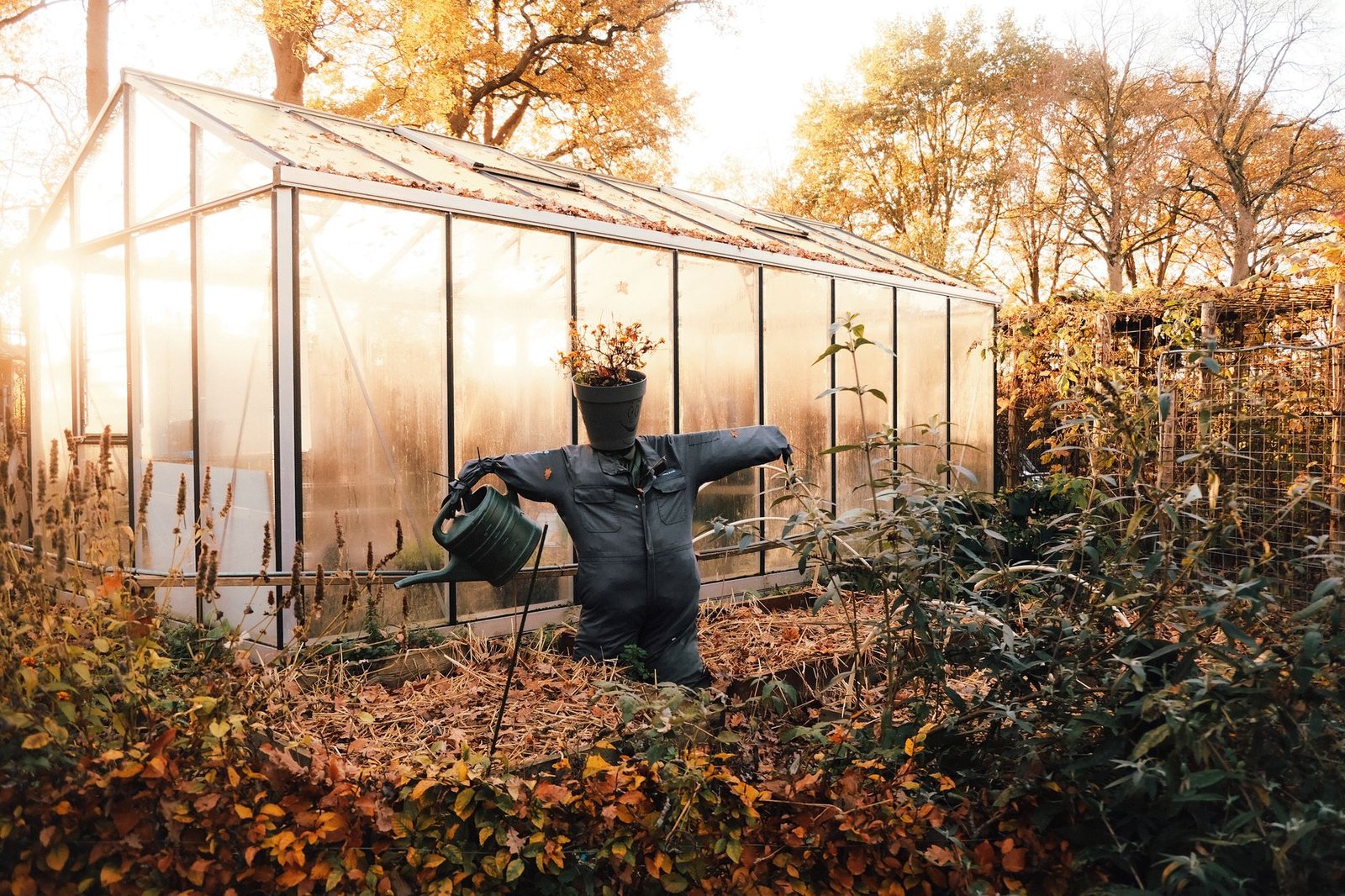
For homeowners passionate about fresh produce, the fleeting nature of the traditional growing season can be a constant challenge. Fortunately, extending the garden season for vegetables is entirely achievable through a combination of strategic planning, modern techniques, and a touch of ingenuity. By implementing methods for early starts, protecting plants from unexpected weather fluctuations, and enabling late harvests, residents can significantly prolong their access to homegrown bounty well into 2026 and beyond.
Early Starts and Seedling Protection
Initiating the growing process ahead of the last frost is fundamental for maximizing the harvest window. Modern gardening in 2026 offers enhanced tools and materials to support these early efforts.
1. Indoor Seed Starting with Advanced Lighting
Starting seeds indoors provides a crucial head start, allowing seedlings to develop robust root systems before transplanting. The year 2026 sees significant advancements in compact, energy-efficient indoor growing solutions.
Modern LED grow lights now feature tunable spectrums, optimized for specific plant growth stages, from germination to vegetative growth. Programmable timers with sunrise/sunset simulations are standard, ensuring consistent light cycles without manual intervention. Self-watering seed starting trays, often equipped with capillary matting or wicking systems, reduce the frequency of watering while maintaining optimal moisture levels for delicate sprouts. Utilizing coco coir or advanced peat-free seed starting mixes further enhances successful germination rates.
2. Utilizing Cold Frames and Cloches
Transitioning seedlings outdoors safely or protecting early sowings requires controlled environments. Cold frames and cloches offer microclimates that shield young plants from cold winds and moderate frosts.
Contemporary cold frames are often constructed from durable, UV-resistant polycarbonate panels, which offer superior insulation and light transmission compared to traditional glass. Many 2026 models integrate smart features, such as solar-powered automatic vent openers that regulate temperature by sensing internal heat, preventing overheating on sunny days and closing when temperatures drop. Personal cloches, available in various sizes and materials, including rigid plastic and collapsible fabric options, provide individual plant protection. The resident can strategically place these over emerging plants or early-season crops like lettuce and radishes to extend their viable growing period.
Maximizing Mid-Season Growth and Efficiency
Once plants are established, maintaining optimal conditions and strategically planning harvests can further lengthen the season’s productivity.
3. Strategic Succession Planting
Succession planting ensures a continuous harvest rather than a single, overwhelming yield. This technique involves planting small batches of crops every few weeks throughout the growing season.
For rapid-growing vegetables such as lettuce, radishes, spinach, and bush beans, scheduling new sowings every two to three weeks is effective. For slower-growing crops, planting different varieties with varying maturity dates can achieve a similar effect. Planning tools and apps available in 2026 can assist the resident in mapping out planting schedules based on local climate data and preferred harvest windows, optimizing space and resource utilization. This method ensures fresh produce is consistently available from spring through late autumn.
4. Optimizing Raised Beds and Soil Health
Raised garden beds warm up faster in spring and retain heat longer into autumn, contributing significantly to season extension.
The elevated structure improves drainage and allows for customized soil blends. For 2026, advanced composite materials for raised beds offer longevity and aesthetic appeal, some even integrating self-wicking reservoirs. Incorporating generous amounts of well-rotted compost and other organic matter into the soil is crucial. This not only enriches nutrient content but also improves soil structure and its ability to retain heat and moisture. Applying dark-colored mulch, such as shredded leaves or commercially available biodegradable mulches, further aids in soil warming and weed suppression. The increased microbial activity in healthy, organically rich soil also supports stronger, more resilient plant growth, better equipped to withstand minor weather fluctuations.
Late Season Harvest and Winterization
As the weather cools, protecting existing plants and selecting appropriate varieties becomes paramount for extending the harvest.
5. Deploying Advanced Row Covers
Row covers are versatile tools that protect plants from early frosts, chilling winds, and even some pests, thereby extending their productive life.
Modern row covers are often made from lightweight, spun-bonded polypropylene fabrics that allow light and water to penetrate while trapping heat. Some designs feature built-in hoops for easy installation and improved air circulation. For 2026, biodegradable and smart fabric options are emerging, offering enhanced breathability and UV protection while being environmentally conscious. These covers can raise the ambient temperature around plants by several degrees, effectively shielding crops like kale, collards, and carrots well into late autumn, and sometimes even through mild winters. They are also invaluable for protecting plants from unexpected cold snaps throughout the growing season.
6. Investing in Smart Greenhouses or Hoophouses
For a truly significant extension of the growing season, a greenhouse or hoophouse is an invaluable asset. These structures offer maximum protection and control over the growing environment.
In 2026, small-scale, backyard-friendly greenhouses are increasingly sophisticated. Many feature automated ventilation systems, solar-powered fans, and even compact heating units that can maintain optimal temperatures during colder months. Phase-change material (PCM) solutions are being integrated into greenhouse designs, acting as thermal batteries by absorbing heat during the day and releasing it slowly at night, stabilizing interior temperatures with minimal energy input. High-performance polyethylene films for hoophouses offer superior light transmission and durability. These controlled environments allow for year-round cultivation of many cold-tolerant vegetables, or an incredibly early start for warm-season crops.
7. Cultivating Cold-Hardy Varieties and Perennials
Choosing the right plants is as important as implementing protective measures. Certain vegetable varieties are inherently more tolerant of cooler temperatures and light frosts.
Focusing on cold-hardy leafy greens like spinach, kale, Swiss chard, and mustard greens, along with root vegetables such as carrots, parsnips, and beets, can significantly extend the harvest into late autumn and even early winter in many climates. Modern plant breeding continues to introduce new hybrid varieties with enhanced cold tolerance and disease resistance. Additionally, incorporating perennial vegetables, such as asparagus, rhubarb, and certain herbs, can ensure a harvest year after year, often emerging early in spring before annuals are even sown. Researching local seed suppliers for varieties proven to thrive in the homeowner’s specific microclimate is highly recommended for optimal success in 2026.
By thoughtfully integrating these seven strategies, the resident can transform a brief summer harvest into a long, abundant season, enjoying fresh, homegrown vegetables for many more months of the year.