Addressing Indoor Dryness: The 2026 Perspective
Dry indoor air is a common concern for residents seeking optimal domestic comfort and health, particularly as homes become increasingly insulated and climate-controlled. This atmospheric imbalance can lead to various issues, including dry skin, irritated respiratory passages, static electricity, and even damage to wooden furnishings or sensitive houseplants. Fortunately, effective non-appliance strategies exist to naturally elevate indoor humidity levels, fostering a more comfortable and healthful living environment in 2026. This article explores five natural, non-appliance methods that homeowners can readily implement to enhance indoor air moisture.
1. Embracing Biophilic Design: The Power of Indoor Plants
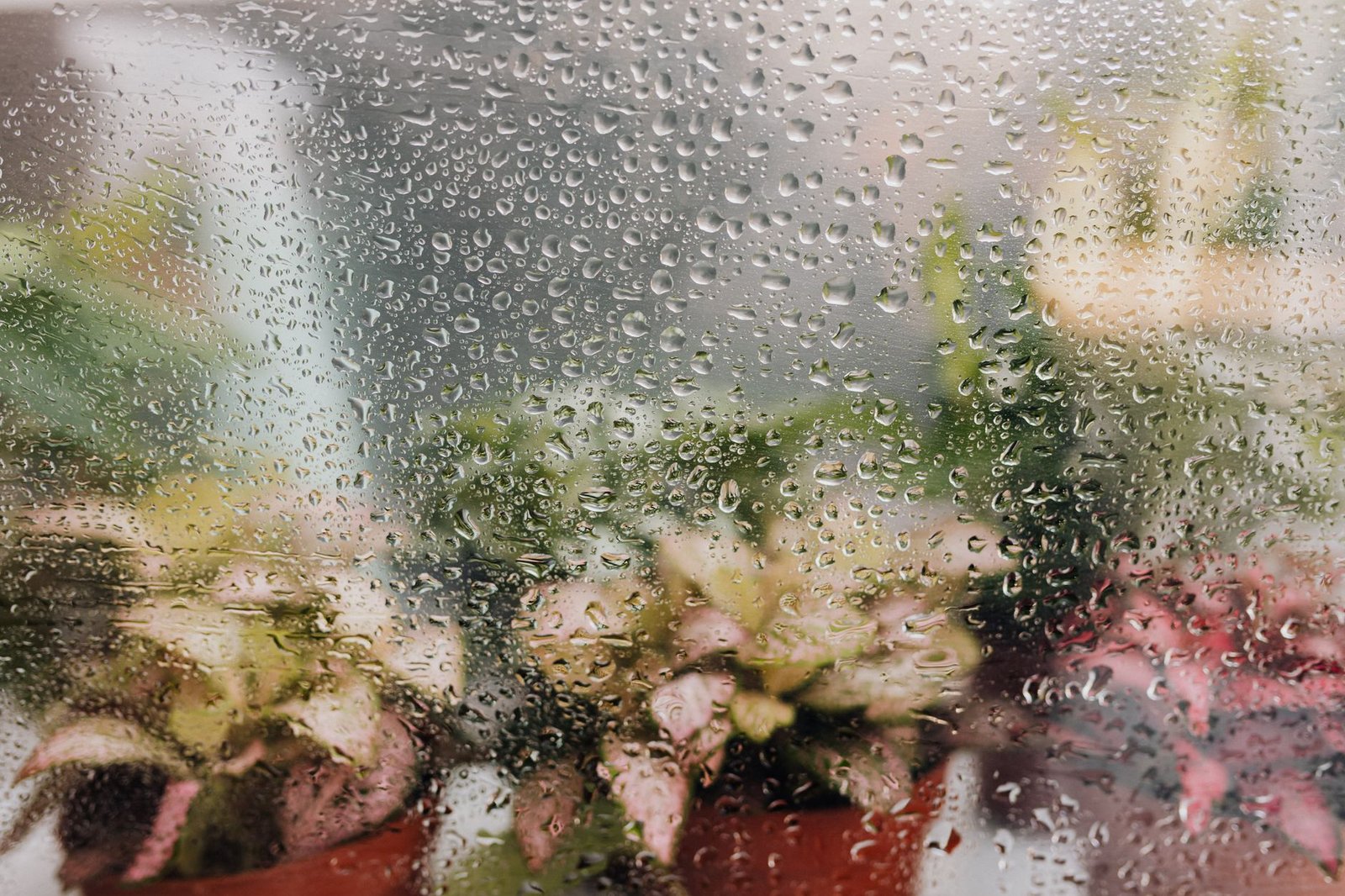
Houseplants are not merely decorative elements; they are active contributors to a home’s microclimate through a process known as transpiration. As plants release moisture into the air through their leaves, they naturally increase ambient humidity. In 2026, biophilic design principles continue to emphasize integrating natural elements for wellness, making plants an essential component of modern interiors for both aesthetic appeal and functional benefits.
Optimal Plant Choices for Humidity Boost
- Boston Ferns: Known for their high transpiration rates, these lush plants thrive in humid conditions and are excellent natural humidifiers.
- Areca Palms: Large and elegant, Areca Palms release significant moisture, effectively contributing to a more humid atmosphere.
- Peace Lilies: Beyond their aesthetic appeal, Peace Lilies are efficient at releasing water vapor.
- Spider Plants: Easy to care for and highly effective at transpiration, making them ideal for any resident.
For maximum effect, grouping several plants together creates a localized zone of higher humidity. Placing plants in saucers filled with pebbles and water, ensuring the plant pot is above the water level, also provides a passive evaporation source, complementing their natural transpiration.
2. Strategic Water Evaporation: Passive Hydration Sources
Harnessing the natural evaporation of water is a straightforward and elegant method to combat dry air. This approach integrates seamlessly with interior aesthetics, transforming functional elements into design features.
Decorative Water Basins and Bowls
Placing wide, shallow bowls of water in strategic locations allows for continuous, gentle evaporation. Integrating river stones, glass beads, or floating candles can enhance the visual appeal, turning a functional element into a decorative accent. These can be positioned on windowsills, near heat sources (but not directly on them, to prevent overheating), or on side tables in living areas. The larger the surface area of water exposed to the air, the greater the rate of evaporation.
Indoor Fountains and Water Features
Compact indoor fountains, a popular choice in 2026’s wellness-focused design, not only offer soothing ambient sounds but also significantly contribute to humidity through constant water movement and surface area exposure. Modern designs often incorporate sustainable materials like recycled glass or bio-resin composites, aligning with contemporary environmental considerations. The gentle circulation prevents stagnation and enhances the overall indoor atmosphere.
3. Thoughtful Domestic Practices: Everyday Humidity Enhancers
Everyday household routines offer overlooked opportunities to contribute to indoor humidity levels without requiring dedicated appliances.
Air-Drying Laundry Indoors
Instead of relying solely on electric dryers, air-drying clothes, especially during drier months, releases a substantial amount of moisture into the home. Utilizing collapsible drying racks or dedicated laundry rooms for this purpose can turn a chore into a humidity-boosting activity. This method is also energy-efficient, aligning with the growing emphasis on sustainable living practices in 2026.
Bathing and Cooking Habits
After showering or bathing, leaving the bathroom door ajar for a short period allows the steam to diffuse into adjacent living spaces. Similarly, cooking on the stovetop, particularly boiling water for pasta or simmering soups, adds considerable moisture to the kitchen and surrounding areas. Residents should ensure adequate ventilation when cooking to prevent excessive condensation, but controlled release of steam is beneficial for humidity.
4. Interior Design & Materiality: Long-Term Humidity Regulation
Beyond immediate actions, the very fabric and design choices within a home can influence long-term humidity regulation, a key consideration for domestic comfort analysts in 2026.
Porous Materials and Finishes
Materials like unsealed natural wood, terracotta, and specific types of plaster (e.g., lime or clay plasters) have hygroscopic properties, meaning they can absorb moisture when humidity is high and release it slowly when the air becomes dry. Incorporating these materials into interior finishes, furniture, or decorative accents can act as passive humidity buffers. For instance, open-grain wood furniture or unglazed ceramic tiles can contribute to a more stable indoor climate.
5. Strategic Use of Textiles
Natural fiber textiles such as cotton, linen, and wool also absorb and release moisture. Introducing more natural fiber drapes, rugs, and upholstery can subtly contribute to humidity regulation. Thick, densely woven textiles can also hold and gradually release moisture, making them practical and aesthetically pleasing choices for homes aiming for enhanced comfort and improved indoor air quality.
Holistic Home Humidity Management for 2026
Achieving optimal indoor humidity involves a holistic approach, blending thoughtful design with conscious daily habits. By integrating natural water evaporation, cultivating a vibrant indoor garden, adopting mindful domestic routines, and selecting appropriate hygroscopic materials and textiles, homeowners can significantly enhance their living environment. The focus in 2026 remains on sustainable, non-invasive methods that contribute to overall well-being, proving that a comfortable and healthful home atmosphere is well within reach without reliance on constant appliance use. These natural strategies offer a path to a more balanced and invigorating indoor climate for every resident.