
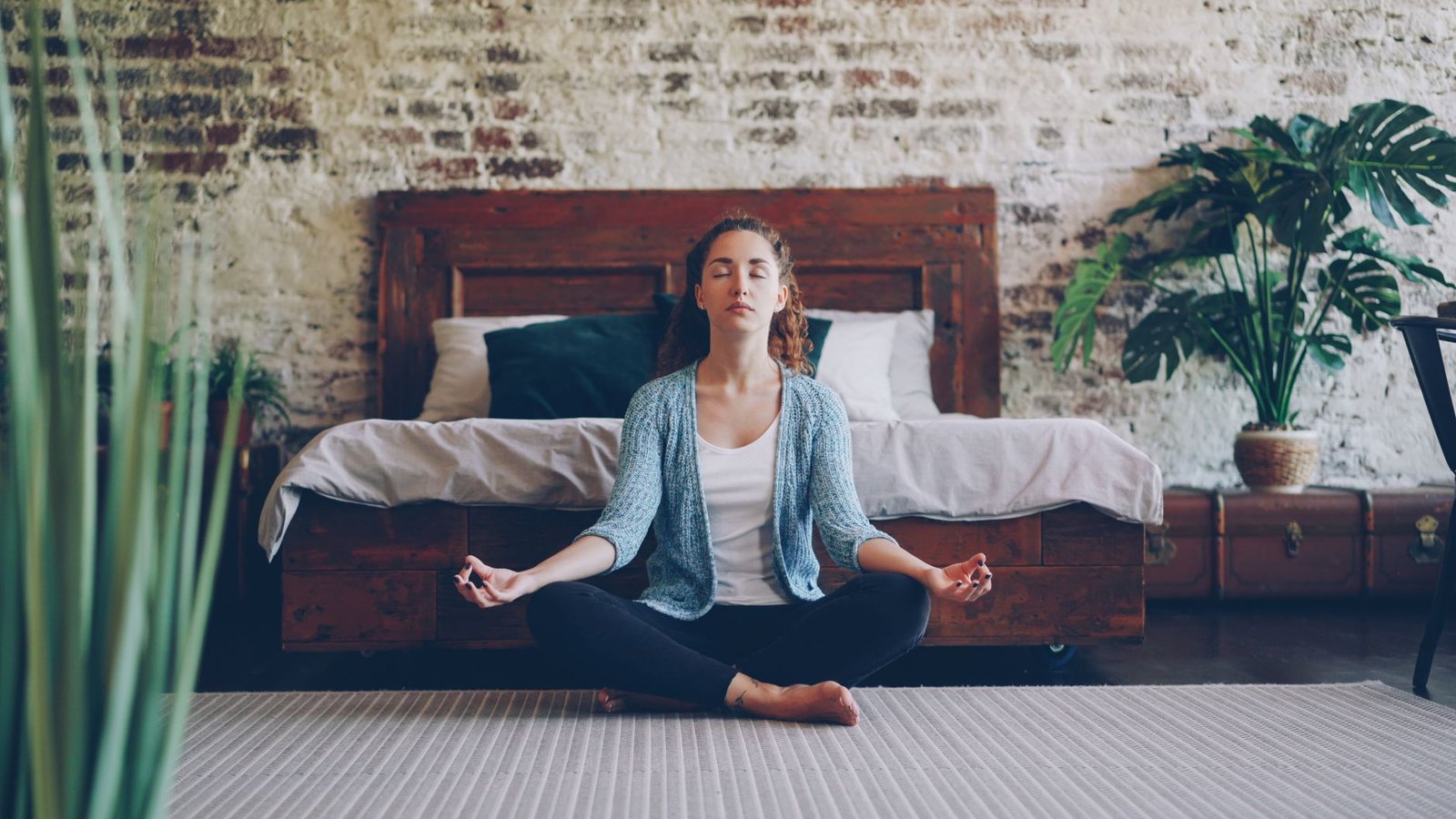
The contemporary home increasingly serves as a sanctuary from external stimulation. As domestic wellness gains prominence, dedicated meditation spaces are critical for mental clarity. For 2026, the paradigm shifts towards sensory neutrality—a design philosophy meticulously crafted to minimize distractions and cultivate introspection. This approach transcends aesthetics, focusing on the subtle interplay of light, texture, and spatial arrangement to create an unburdened canvas for the mind. Architects, interior designers, and homeowners recognize the profound impact of controlled sensory input on mindfulness practices. This article explores key guidelines for crafting such an essential space, integrating modern material developments and prevailing 2026 design trends for optimal domestic comfort.
Foundations of Calm: The Minimalist Blueprint
The journey towards a truly neutral meditation space commences with a rigorously minimalist foundation. The objective is to strip away anything that might anchor cognitive attention, allowing the mind to drift freely without external prompts.
Decluttering the Visual Field
A cornerstone of sensory neutrality is the absence of visual clutter. For 2026, ‘invisible design’ and integrated solutions are key, where functionality is seamlessly concealed. Furniture within the meditation space should be sparse, functional, and geometrically simple; examples include low-profile cushions or a built-in shelf. The emphasis is on clean lines, smooth, unembellished surfaces, and an absence of intricate detailing. Storage solutions, if necessary, should be integrated into walls or designed to blend imperceptibly with the room’s architecture, keeping any personal items out of sight. The goal is a visual field that is calm, expansive, and utterly unstimulating, preventing inadvertent cognitive engagement.
Color Palette for Cognitive Rest
Color, a powerful sensory input, demands precision. The optimal palette gravitates towards muted, desaturated tones that evoke calm and expanse—soft whites, warm off-whites, cool grays, and very light, earthy beiges. Extremely subdued greens or blues can be considered, drawing on biophilic principles in their most diluted form. High-contrast combinations are to be strictly avoided, as they can be visually arresting and stimulating. The aim is a monochromatic or near-monochromatic scheme where walls and surfaces recede into the background, providing a tranquil, uniform backdrop. Modern pigment technologies for 2026 offer highly consistent, matte finishes that absorb light, further contributing to visual stillness.
Tactile Tranquility: Engaging Touch, Quieting Mind
While visual and auditory inputs are often prioritized, tactile sensations play a crucial, often subconscious, role in grounding the individual. For a meditation space, tactile experiences should be inherently comforting, natural, and non-distracting.
Surfaces and Textures for Sensory Grounding
The selection of surfaces and textures is paramount in establishing a sense of physical ease without stimulating the mind. Materials should be natural, non-abrasive, and possess a subtle, comforting quality. Walls finished with smooth, matte plaster or ultra-matte paint are ideal; acoustic plaster, a modern 2026 development, also offers superior sound absorption. Minimalist furniture crafted from finely sanded, natural wood with a soft, matte sealant, or upholstered in organic cotton, linen, or wool blends provides gentle tactile feedback. Cushions and throws, if included, should be made from organic, untreated fibers with a consistent, gentle texture against the skin. Current trends favor naturally dyed or undyed fibers for their inherent purity and subliminal comfort.
Flooring Choices for Barefoot Comfort
The floor forms the most direct physical interface for many meditation practices, making flooring critical for tactile comfort. Large, thick rugs made from undyed, sustainable wool or organic cotton provide a soft, warm surface for sitting or kneeling. Natural fiber mats like finely woven jute or sisal can also be considered. Engineered wood with a very fine grain and a matte, natural oil finish offers warmth and a smooth surface, free of strong patterns. For a cooler, more minimalist aesthetic, highly polished concrete with a sealant, or large format porcelain tiles with a matte, smooth finish are suitable. Radiant underfloor heating, a popular 2026 amenity, ensures comfortable temperatures without visual intrusion, making these hard surfaces more inviting.
Illumination for Introspection: Mastering Light
Light is perhaps the most potent sensory input, capable of both stimulating and soothing. In a meditation space, the manipulation of light is an art form focused on creating a non-distracting, introspective glow.
Subdued and Non-Distracting Lighting
The objective is to achieve soft, diffused, and indirect illumination. Harsh overhead lighting, direct spotlights, or any sources that cast sharp shadows are antithetical to sensory neutrality. Integrated LED strip lighting concealed within coves or behind architectural elements provides a gentle, ambient glow. These systems often feature adjustable Kelvin temperatures, allowing the user to select warmer, more incandescent-like tones (around 2200K-2700K) which promote relaxation, a key feature in 2026 smart home systems. Controlled natural light is highly beneficial; windows can be fitted with sheer, neutral-toned curtains or automated roller blinds made from translucent materials that diffuse sunlight without blocking it entirely. Any visible light fixtures should be understated, minimalist, and blend with the room’s aesthetic.
Eliminating Digital and Visual Glare
In the pursuit of sensory neutrality, any form of digital display or reflective glare must be eliminated. This means no smart devices, televisions, or highly reflective surfaces within the immediate visual field; the resident should actively ensure the absence of screens. Any metallic accents should have a matte or brushed finish to prevent specular reflections. Walls painted with ultra-matte finishes absorb light, further reducing glare. For those seeking complete darkness for specific practices, integrated blackout blinds or drapes are an essential consideration, offering full control over light ingress. Circadian rhythm lighting, which gradually shifts color temperature and intensity to align with natural sleep-wake cycles, is a growing 2026 trend, subtly supporting the body’s natural rhythms without conscious intervention.
Acoustic Serenity and Subtle Biophilia
Beyond the visual and tactile, the auditory environment and even the subtle presence of nature play critical roles in completing the sensory-neutral meditation space.
Soundproofing and Absorption
External noise is a significant disruptor of meditation. Effective sound management is therefore non-negotiable. Investing in high-performance windows and well-sealed doors is fundamental, and wall insulation can be upgraded with sound-dampening materials. For new constructions, dedicated soundproofing layers are increasingly common. Within the space, soft furnishings and wall treatments contribute to sound absorption; thick wool rugs, heavy drapes, and even subtle acoustic panels integrated into wall designs help to deaden ambient sound and reduce echo. While sensory neutrality generally advises against additional sound, some users find very subtle, consistent white noise beneficial, delivered via high-quality, discreetly hidden speakers at extremely low volumes, carefully chosen not to become a focal point.
Integrating Nature, Minimally
Biophilic design principles, while powerful, must be applied with extreme restraint in a sensory-neutral meditation space. The goal is a subtle connection to nature without introducing visual complexity or strong scents. A single, low-maintenance plant with simple foliage and an unpatterned, neutral-colored pot (e.g., a Snake Plant) can offer a quiet, living presence, not an elaborate focal point. A small collection of smooth, naturally occurring river stones or a piece of unvarnished driftwood can serve as grounding elements, connecting the resident to the earth without demanding visual attention. While aromatherapy is popular, strong or even subtle artificial scents can be distracting. Natural, neutral airflow is preferred. If any scent is desired, it should be derived from pure, unadulterated essential oils, diffused minimally and subtly, and introduced with extreme caution.
Designing a dedicated meditation space with sensory neutrality as its guiding principle represents a sophisticated evolution in home wellness. By meticulously controlling visual, tactile, auditory, and even olfactory inputs, the homeowner can create an environment that actively supports deep meditative practice and mental repose. The 2026 landscape of interior design offers an array of advanced materials and smart technologies—from integrated lighting systems to acoustic plasters—that empower this precise calibration. An investment in such a thoughtfully conceived space is an investment in sustained personal well-being, providing a crucial refuge where the mind can find stillness amidst the demands of modern life. This careful orchestration of subtle elements transforms a room into a profound tool for self-discovery and inner peace.